Pricing
Mamiya C
Mamiya · Japan · 1956–1994 (38 years) · 120 film
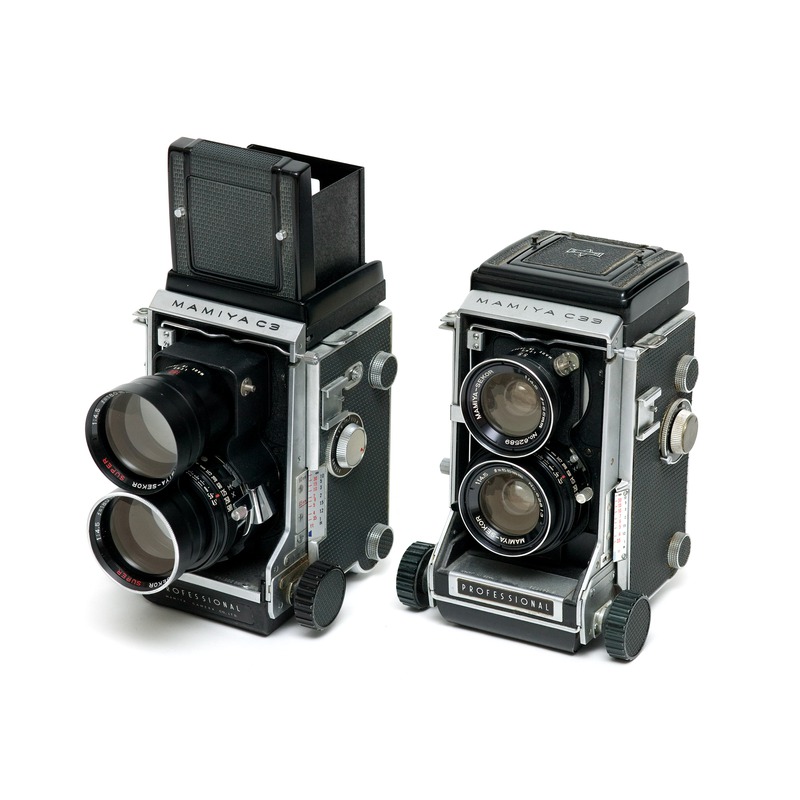
Emerging during the post-World War II expansion of the Japanese camera industry, the Mamiya C series, produced by Mamiya Optical Works from 1956 to 1994, established itself as a significant player in professional medium format photography. With a production lifespan spanning nearly four decades, this camera system represented a pivotal moment in Japanese camera engineering, offering photographers a sophisticated alternative to traditional twin-lens reflex designs. Its longevity in the market demonstrates the enduring value of its engineering and the trust it earned among serious photographers during a transformative period in photographic history.
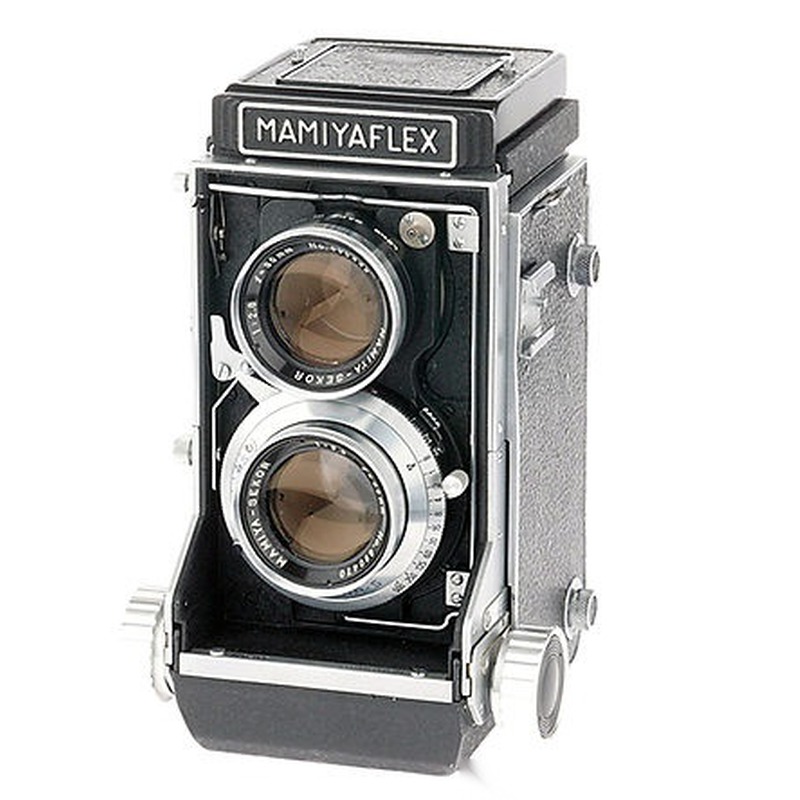
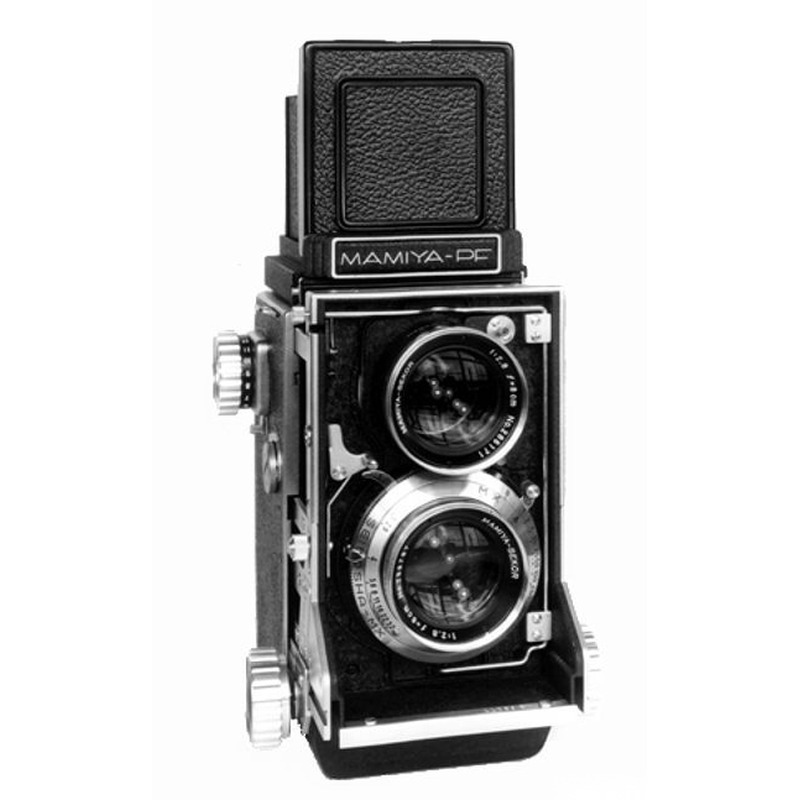
The core innovation of the Mamiya C system lay in its departure from conventional TLR limitations through its groundbreaking interchangeable lens feature. Unlike most twin-lens reflex cameras with fixed lenses, the Mamiya C allowed photographers to change complete lens units, synchronizing both the upper viewing and lower taking lenses. This modular design, which evolved through models including the C3, C33, C33 Professional, and C330, incorporated a double extension bellows system enabling close-up capabilities uncommon in TLRs. Each lens unit contained its own in-lens leaf shutter, providing flash synchronization at all speeds and reducing camera shake, while the system's robust construction made it a reliable workhorse for demanding professional photographers working with both 120 and 220 roll film.
Specifications
| Film Format | 120 |
| Lens / Mount | Mamiya C |
| Shutter | in lens (leaf) |
| Metering | in optional viewfinders or external |
 Enjoy this museum? Support on Ko-fi