Pricing
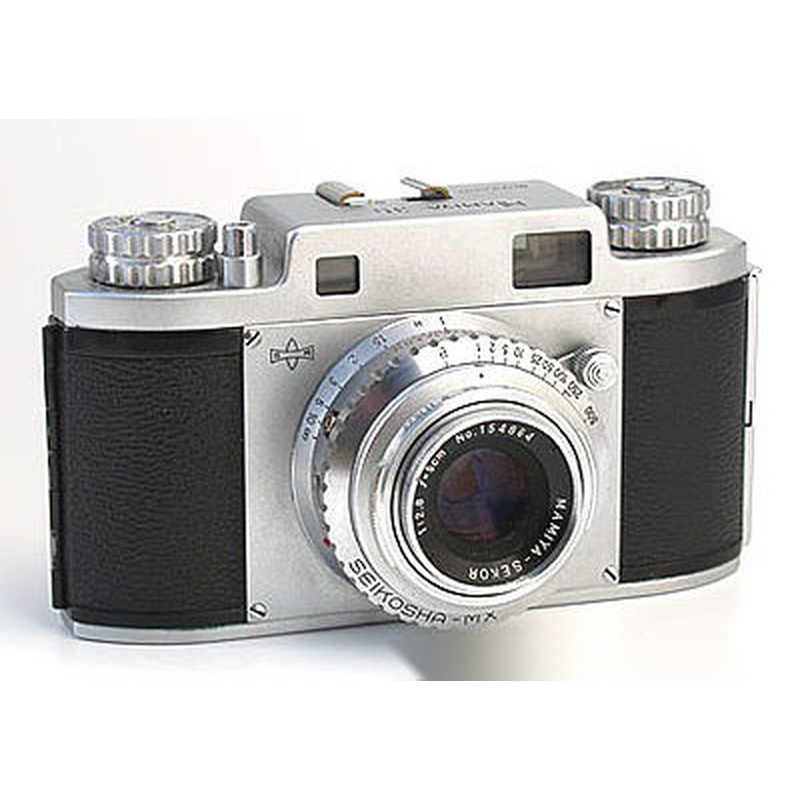
Mamiya 35 II
Mamiya · Japan · 1955
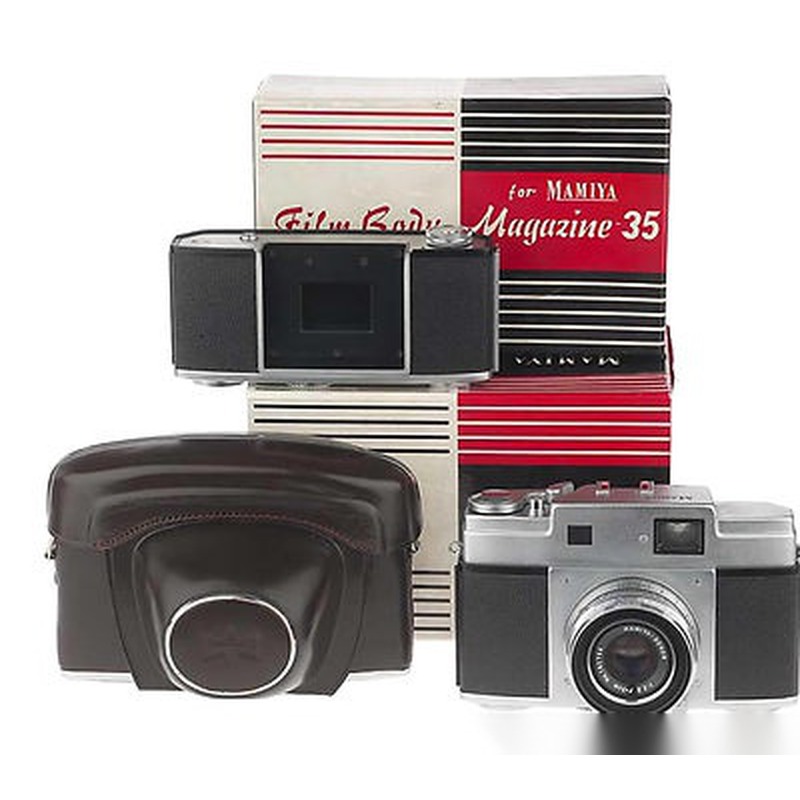
The Mamiya 35 II, introduced in 1955, represents Mamiya's entry into the competitive 35mm camera market during a period when Japanese manufacturers were rapidly gaining international prominence. It was a rangefinder camera, likely featuring a coupled rangefinder for precise focusing and a leaf shutter offering flash synchronization capabilities, typical of mid-tier Japanese designs of the era. Constructed primarily of metal with leatherette covering, it offered a robust build quality relative to its price point. While not pushing the envelope technologically like contemporaneous groundbreaking models, it embodied Mamiya's reputation for reliable engineering and represented a significant step for the company beyond its established focus on medium format roll-film and press cameras. The Mamiya 35 II served as a practical tool for enthusiasts and professionals seeking a well-built Japanese alternative to European or American brands.
The camera's design prioritized functionality and usability. It probably featured a straightforward top-mounted film advance and rewind knobs, along with shutter speed and aperture controls accessible via dials on the camera body. Available lenses would likely have included Mamiya's own branded optics in common focal lengths, such as a standard 50mm f/3.5. As part of Mamiya's broader strategy to diversify and establish a foothold in the burgeoning 35mm segment, the Mamiya 35 II provided users with a dependable, no-frills shooting experience without the premium cost or complexity associated with high-end rangefinder or SLR systems. It fulfilled a market need for a solid workhorse camera during a transformative period in Japanese photographic manufacturing.
 Enjoy this museum? Support on Ko-fi