Pricing
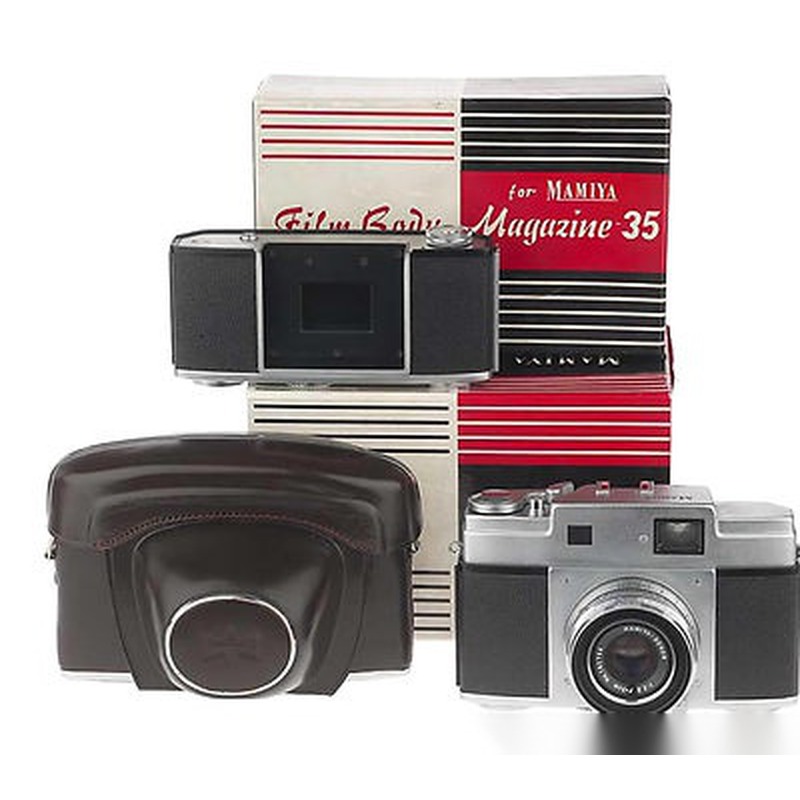
Mamiya 35 Magazine
Mamiya · Japan · 1957
Introduced by Mamiya in 1957, the Mamiya 35 Magazine represented the company's early venture into the 35mm interchangeable lens camera market. Part of their broader strategy to establish a foothold beyond their successful medium format roll film cameras, it featured a leaf shutter system and likely offered a range of lenses, positioning it as a contender against established rivals like Leica and Nikon for photographers seeking greater system flexibility than fixed-lens models. While sharing the era's focus on precision mechanics, the design reflected Mamiya's practical engineering approach rather than the extreme miniaturization of German counterparts. Its primary significance lies in being a crucial development step for Mamiya, paving the way for their subsequent, more influential professional systems like the Mamiya C and Sekor series.
The camera's design emphasized functional reliability and usability over extreme portability or exotic materials, utilizing Mamiya's characteristic robust metal construction typical of their era. Key features probably included through-the-lens (TTL) metering capabilities or an external coupled meter, contributing to its appeal as a practical system camera for professional and serious amateur photographers seeking reliable results. It was produced during a period of intense competition in the Japanese 35mm market and contributed to Mamiya's diversification, though it ultimately achieved less market penetration or enduring fame than some other Japanese contemporaries.
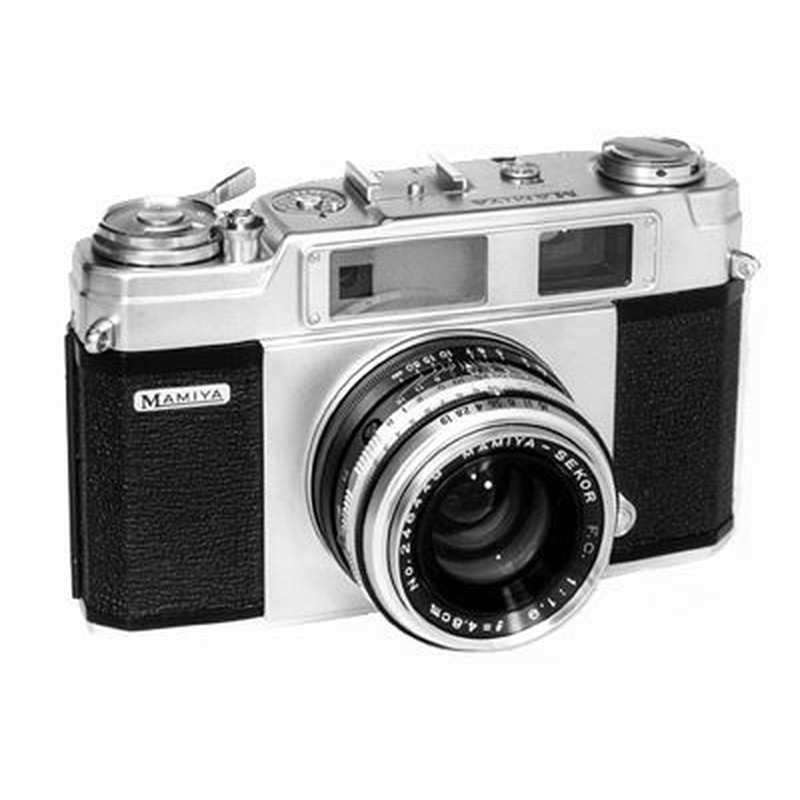
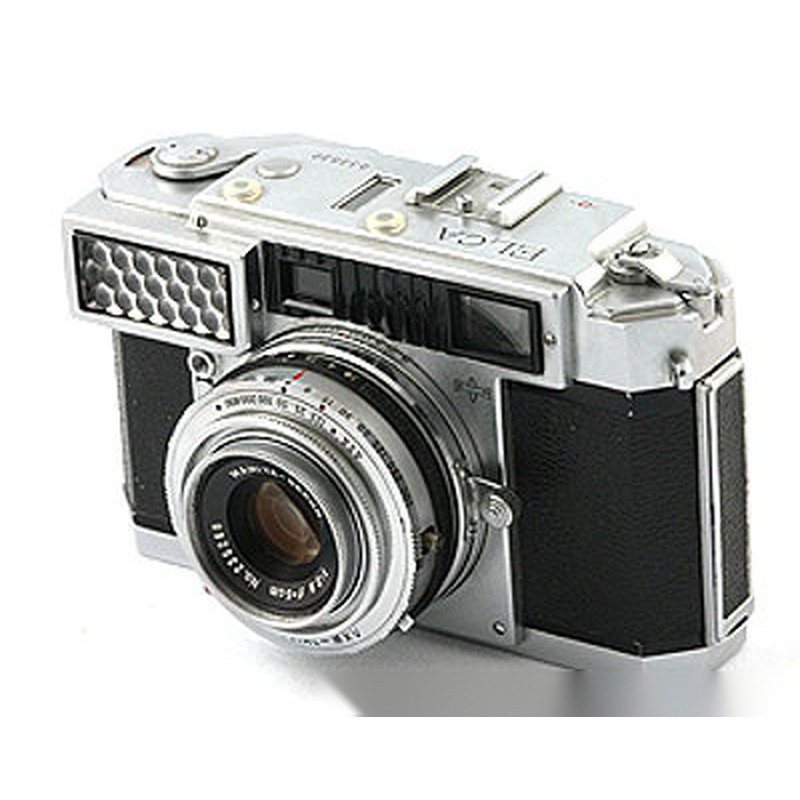
/main.jpg)
 Enjoy this museum? Support on Ko-fi