Pricing
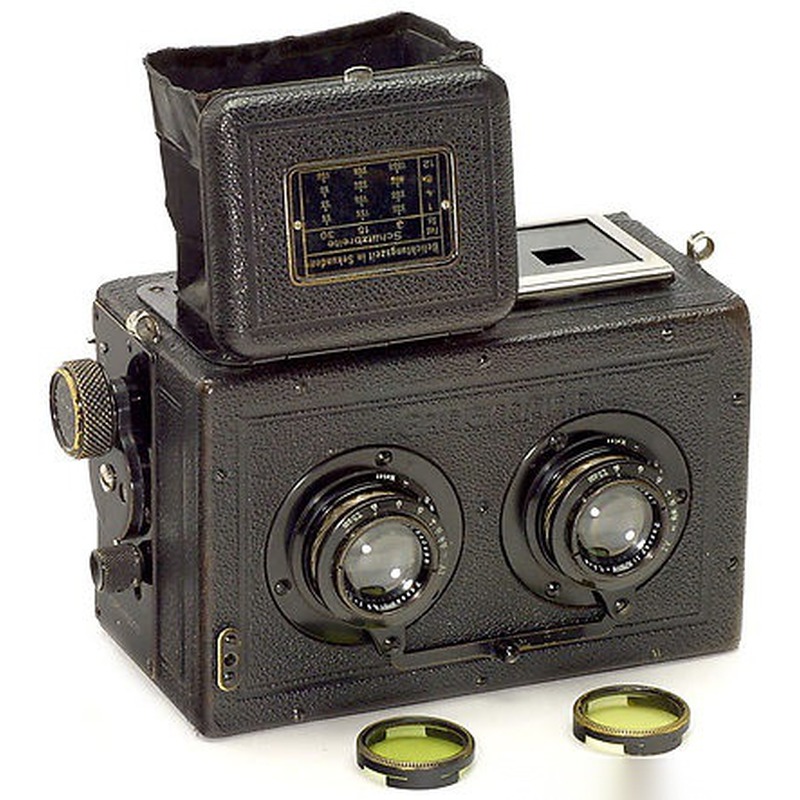
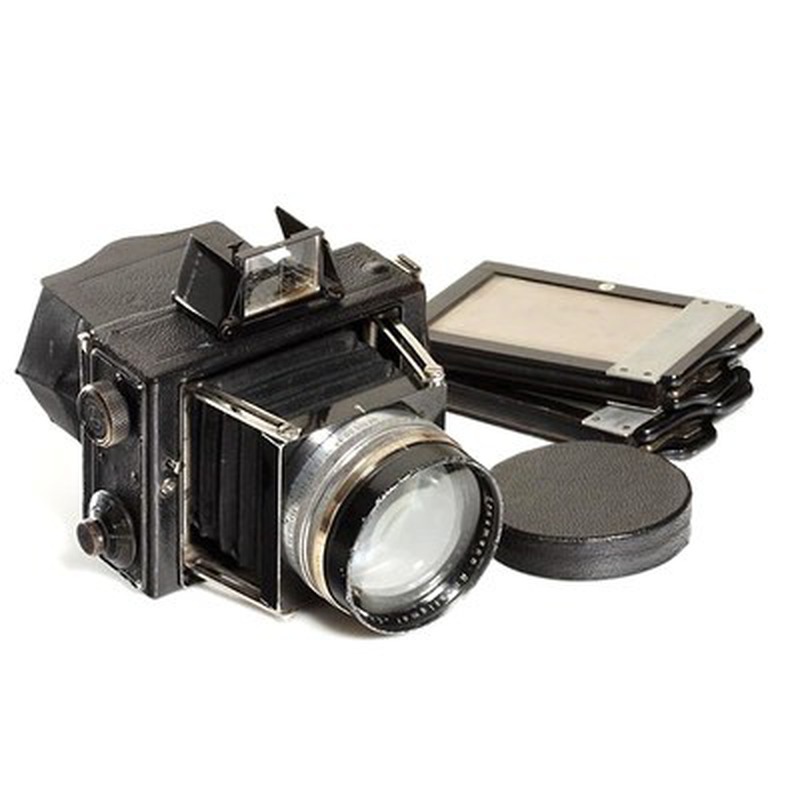
Ernemann Simplex Ernoflex Stereo
Ernemann · Germany · 1926 · 135 film
The Simplex Ernoflex Stereo, introduced by Ernemann in 1926, represents an early experiment in 35mm stereo photography during the format's formative years. As one of the first cameras to utilize 135 film for three-dimensional imaging, it employed a dual-lens system to capture paired exposures simultaneously, enabling stereoscopic viewing through a dedicated viewer. This niche application targeted enthusiasts of 3D photography, a curious offshoot of 35mm's rise to prominence following Leica's groundbreaking 1925 debut. Ernemann, a respected German optical firm known for quality craftsmanship, produced the Ernoflex Stereo with metal construction and robust mechanics, aligning with the era's standards for precision equipment. However, its specialized stereo focus and lack of broader innovations limited its mainstream impact, positioning it as a historical footnote rather than a landmark design.
While the camera embodies the technical experimentation of mid-1920s photography, its significance lies in its role as a precursor to later stereo cameras and its documentation of 35mm film's versatility. The Ernoflex Stereo's relatively short production run and the subsequent absorption of Ernemann into Zeiss Ikon in 1927 curtailed its legacy, making it a rare but not revolutionary artifact. Collectors value it for its place in the timeline of small-format cameras, though its obscurity compared to Leica or Contessa-Nettel models keeps it from attaining legendary status. Its basic, functional design—featuring a waist-level finder and manual controls—reflects the pragmatic approach of early 35mm equipment prioritizing reliability over ergonomic advancement.
Specifications
| Film Format | 135 |
/main.jpg)
/main.jpg)
 Enjoy this museum? Support on Ko-fi