Pricing
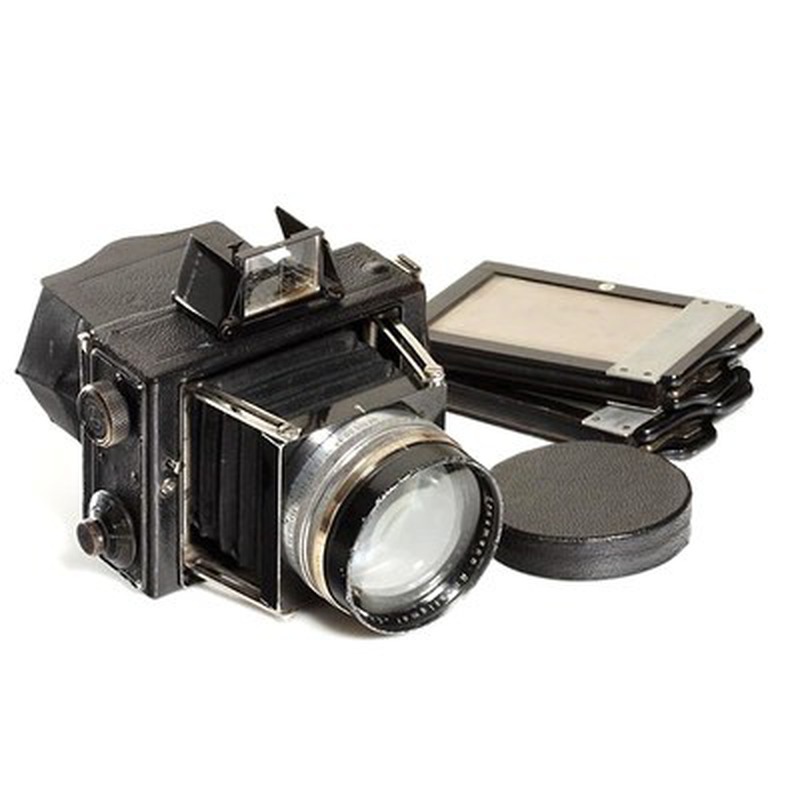
Ernemann Ermanox
Ernemann · Germany · 1925 · 135 film
The Ermanox, introduced by Ernemann in 1925, represents an important early milestone in 35mm photography, appearing alongside the groundbreaking Leica I in the same year. As one of the first cameras to adapt the 35mm cine film format for still photography, the Ermanox was a significant technological advancement that offered photographers unprecedented portability without compromising image quality. Manufactured by Ernemann, a respected German optical company known for precision engineering, the camera embodied the era's transition toward smaller, more practical photographic equipment. Its introduction marked a critical point in the evolution from large-format to compact cameras that would eventually transform photographic practice.
The Ermanox featured a compact design that was revolutionary for the time, complemented by a high-speed lens system likely rated around f/2.0—exceptional for the early 1920s and particularly valuable for available light photography. It employed a focal plane shutter, providing photographers with a range of exposure options that expanded creative possibilities. While it didn't achieve the same enduring fame as some of its contemporaries, the Ermanox played an important role in establishing the viability and practicality of the 35mm format for professional work, contributing to a fundamental shift in how photographers approached their craft.
Specifications
| Film Format | 135 |
/main.jpg)
/main.jpg)
/main.jpg)
/main.jpg)
 Enjoy this museum? Support on Ko-fi