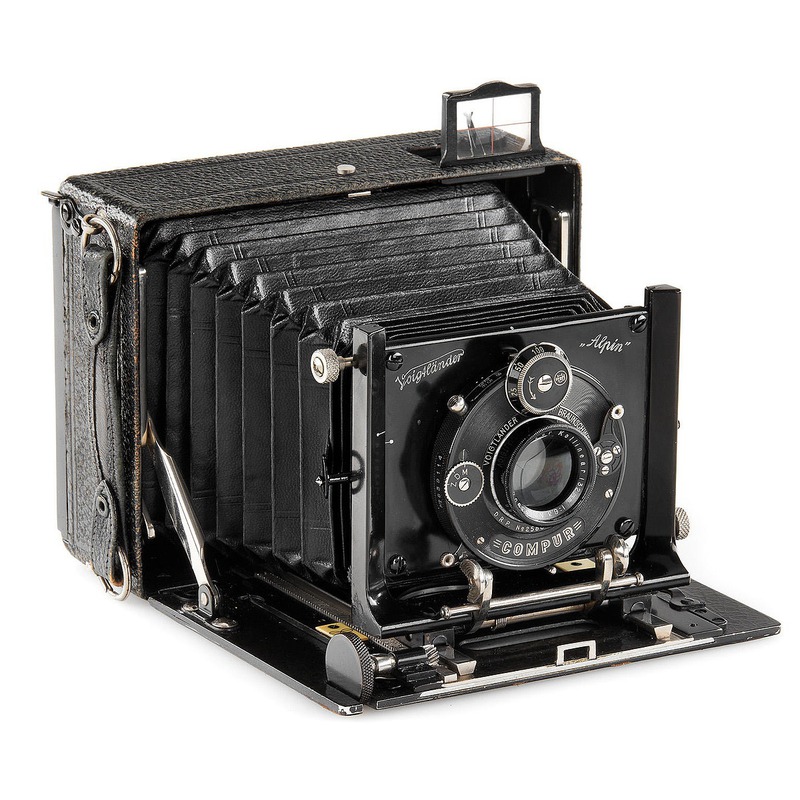
Voigtlander Alpin
Voigtlander · Germany · 1906–1927 (21 years) · 135 film
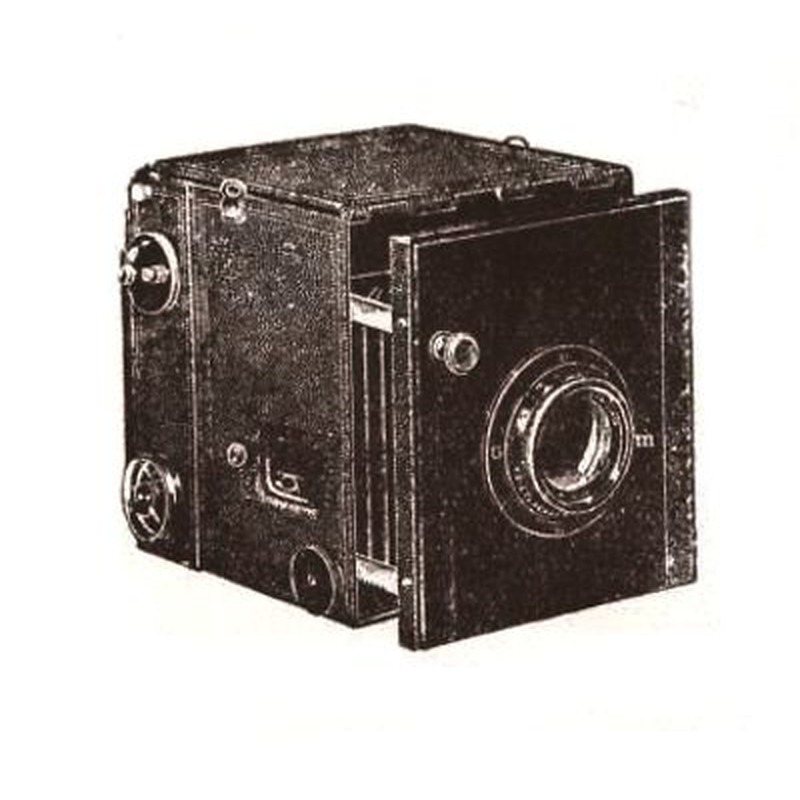
The Voigtlander Alpin, produced from 1906 to 1927, holds a place of solid, if understated, significance in early 35mm photography. As one of the earliest cameras to utilize the 135 roll film format – later standardized for 35mm still photography – it represented a practical step towards smaller, more portable cameras. While lacking the groundbreaking technical innovations often associated with later icons, the Alpin was a reliable workhorse, likely featuring a simple, robust body construction typical of Voigtlander's practical designs. Its continuous production for over two decades indicates market acceptance and dependable performance for amateur photographers seeking a convenient alternative to larger plate or roll-film cameras. The camera embodies the transitional period where film formats were rapidly evolving towards the standards that would dominate the 20th century.
Available in various models across its long production run, the Alpin offered a straightforward shooting experience. It typically employed a simple leaf shutter and basic optical viewfinder, catering to users prioritizing ease of use and compactness over complex features. The 135 format itself was a key innovation, enabling smaller camera bodies and the development of lighter, more flexible film stock. While overshadowed historically by cameras like the Leica I in terms of ultimate impact and collector frenzy, the Alpin's long and successful run demonstrates its role as a significant participant in the early development of practical 35mm photography, paving the way for the cameras that followed.
Specifications
| Film Format | 135 |
/main.jpg)
/main.jpg)
 Enjoy this museum? Support on Ko-fi