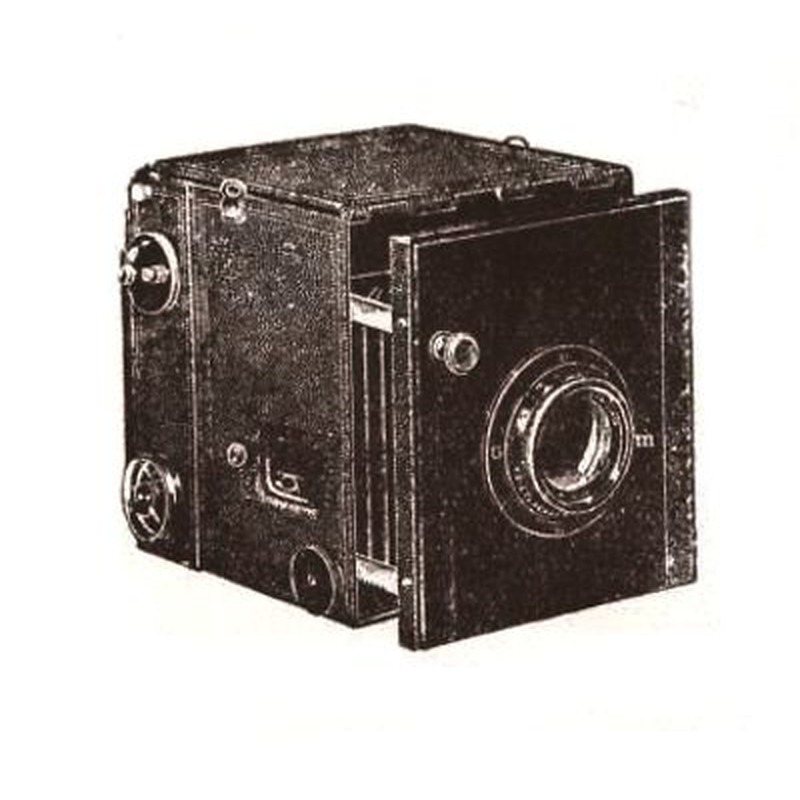
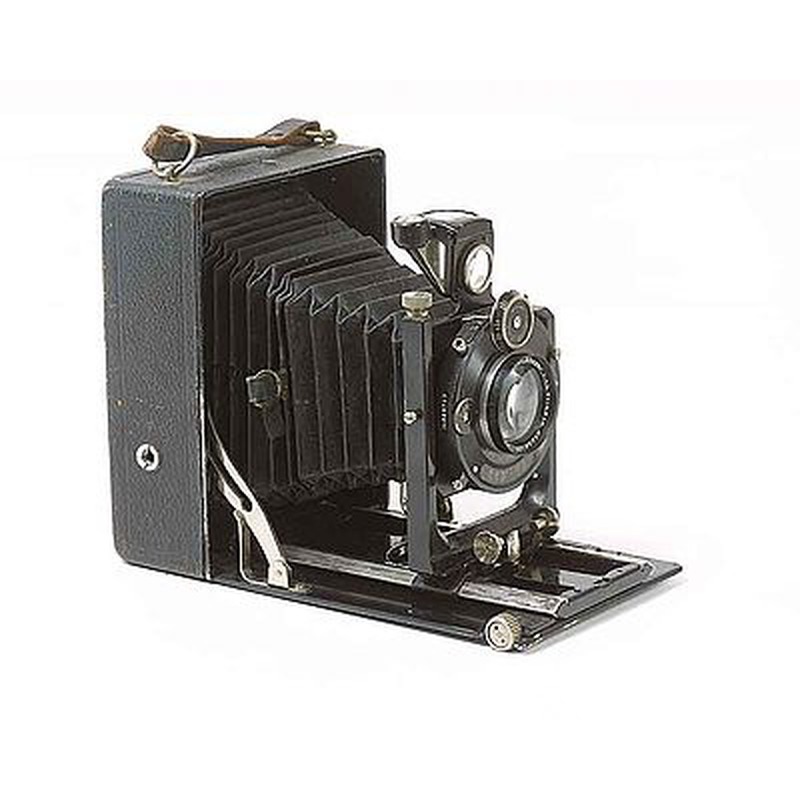
Voigtlander Vida
Voigtlander · Germany · 1910–1919 (9 years) · 135 film
The Vida represents Voigtlander's early entry into the burgeoning 135 format market during the 1910s, a period when most serious photography still relied on larger glass plate or sheet film formats. Produced by the venerable German optics firm during the transitional years before Oskar Barnack's Leica popularized small format 35mm photography, the Vida likely served as a modest, consumer-oriented rollfilm camera adapted for the 135 cassette. While sharing Voigtlander's reputation for optical quality and precise engineering in lenses, the camera body itself was probably constructed from stamped metal and leatherette, embodying the utilitarian construction characteristic of the era's non-professional equipment. Its significance lies primarily in being an early commercial attempt at a compact camera for the amateur using the nascent 135 cartridge format, predating the Leica revolution by at least a decade. However, it lacks documented groundbreaking design features or widespread adoption that would elevate it to legendary status among Voigtlander's more historically impactful models like the Vito or Bessa series.
Specifications
| Film Format | 135 |
/main.jpg)
/main.jpg)
 Enjoy this museum? Support on Ko-fi