/main.jpg)
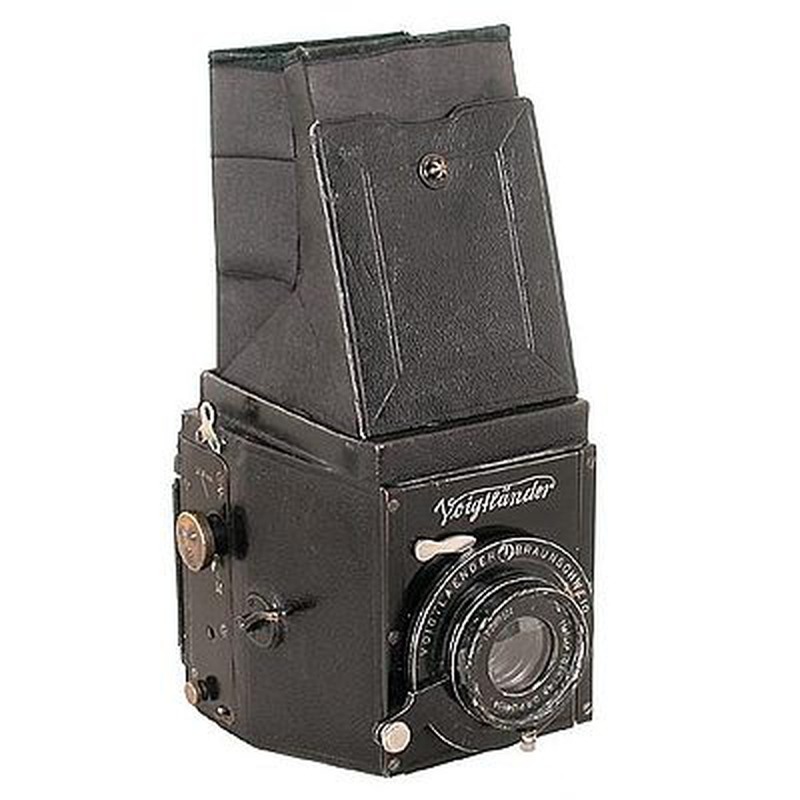
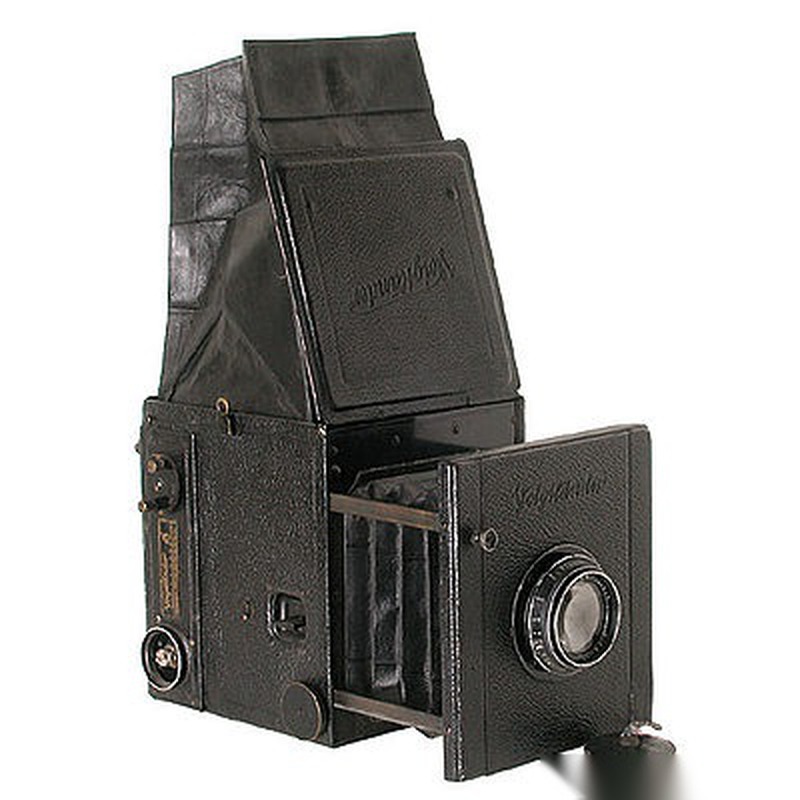
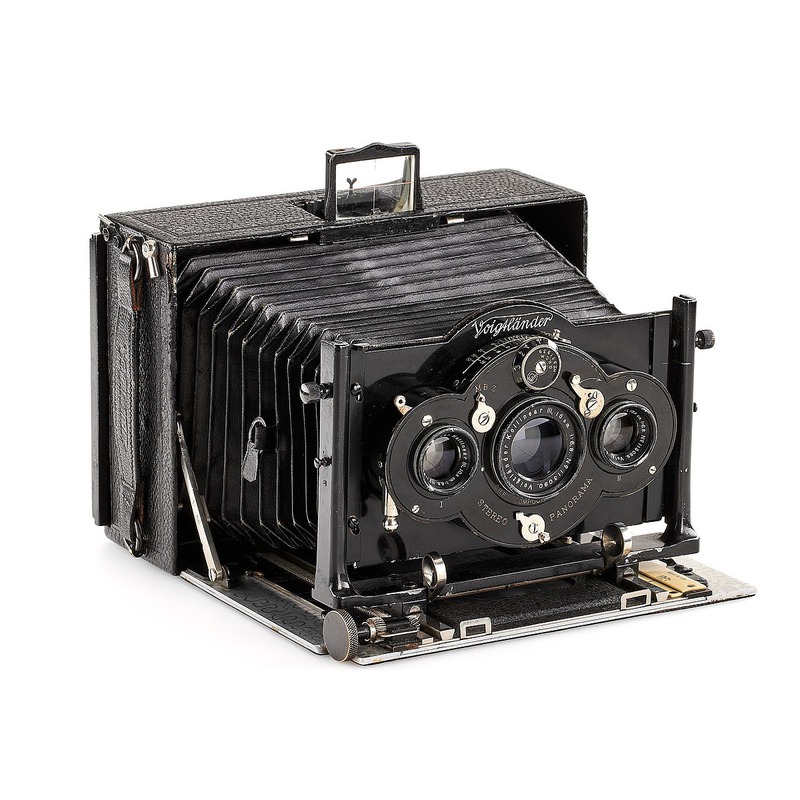
Voigtlander Spreizenkamera (Expendable)
Voigtlander · Germany · 1908 · 135 film
The Spreizenkamera (Expendable) represents Voigtlander's intriguing but limited foray into 35mm photography in 1908, predating the more famous Leica prototypes by several years. As an early attempt in the small-format realm, it utilized 135 film but was likely a rudimentary, fixed-focus camera with minimal controls, reflecting its "expendable" nature and probable status as an experimental or low-cost model rather than a serious photographic tool. Its significance lies primarily as a historical footnote demonstrating Voigtlander's early engagement with the 35mm concept, though it lacked the advanced engineering and interchangeable lens systems that would later define the format. Built for simplicity and economy, it was not designed for durability or complex photographic demands, serving more as a technical curiosity or entry-level device of its time.
While an interesting piece of pre-Leica 35mm history, the Spreizenkamera (Expendable) holds limited impact beyond its novelty. Its basic construction and the absence of records of widespread adoption or influential use mean it did not shape photographic practice or technology in any substantial way. Its legacy is confined to its place as one of the earliest, albeit crude, manifestations of 35mm roll film being applied to a still camera body, marking Voigtlander's early but unsuccessful challenge to the dominance of larger plate and roll formats at the turn of the century.
Specifications
| Film Format | 135 |
/main.jpg)
 Enjoy this museum? Support on Ko-fi