/main.jpg)
Pricing
Ernemann HEAG IV (vertical)
Ernemann · Germany · 1925–1926 (1 years) · 135 film
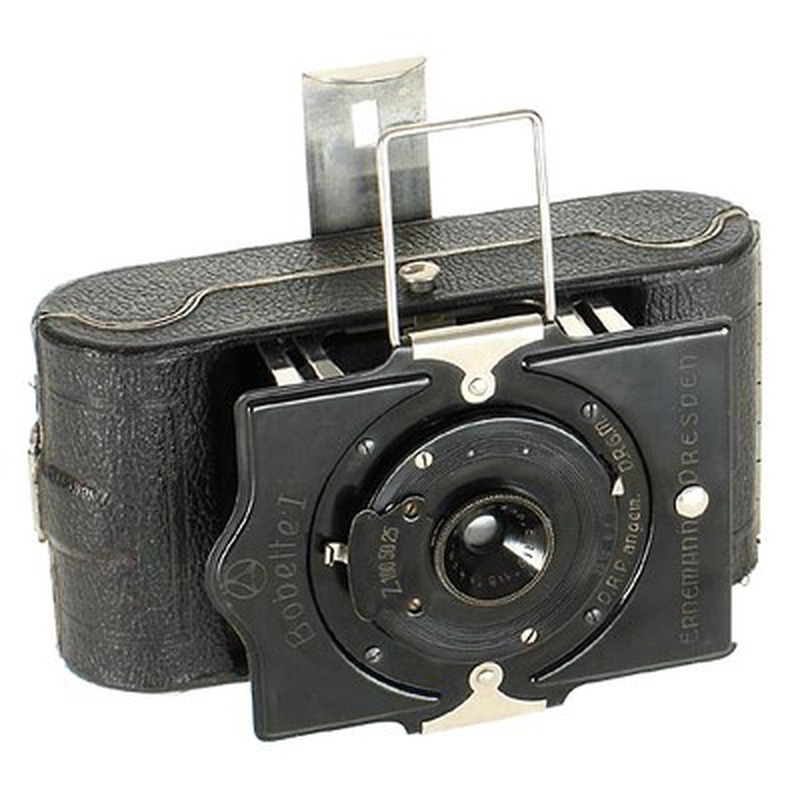
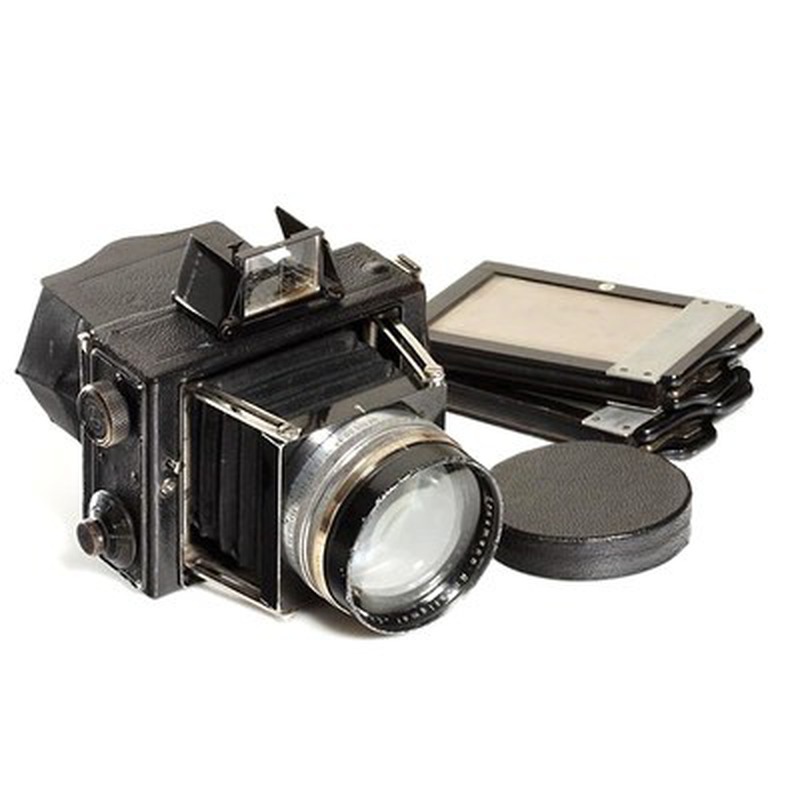
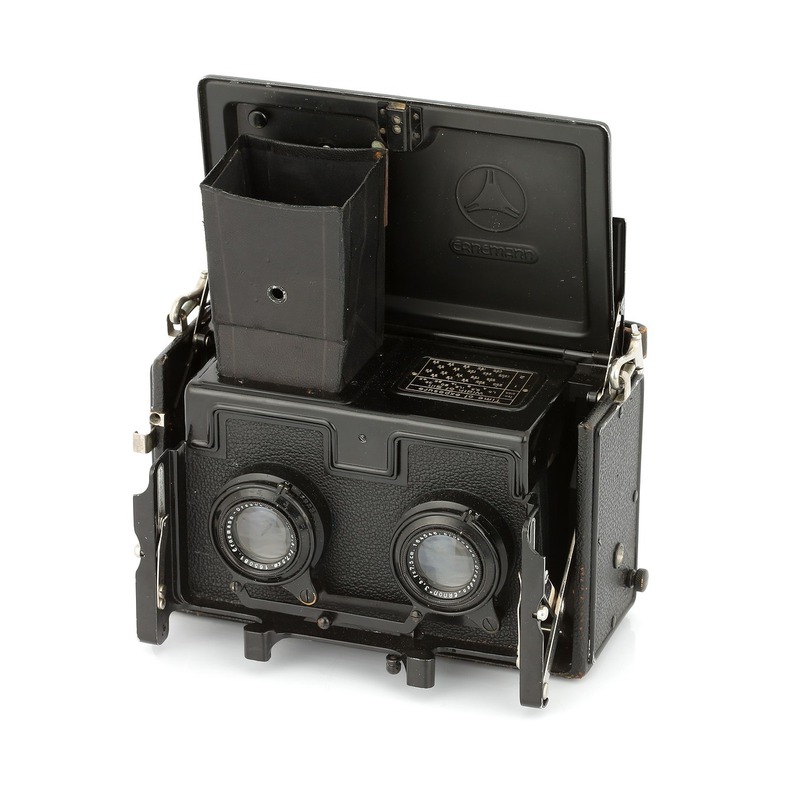
The HEAG IV (vertical) represents an important step in the evolution of practical 35mm still photography during the mid-1920s, a period when the format was transitioning from specialized movie cameras to viable instruments for photographers. Produced by the Dresden-based Ernemann firm just before its merger into Zeiss Ikon in 1926, this camera specifically utilized the widely adopted 135 (35mm) film cartridge. Its designation "vertical" likely refers to the orientation of its internal mechanism or film transport system, differentiating it perhaps from a contemporaneous horizontal model. Like many early 35mm designs, it prioritized compactness and portability compared to large plate or roll-film cameras, making it a significant tool for photographers seeking greater mobility. While specific features like lens options or shutter speeds remain undocumented from the provided information, the HEAG IV (vertical) embodies the earnest engineering efforts of German manufacturers to refine and popularize the 35mm format before the landmark Leica I introduced in 1925 established the true template for miniature cameras. Its production window coincides directly with the critical phase when 35mm cemented its position as the future of photography.
Specifications
| Film Format | 135 |
/main.jpg)
/main.jpg)
/main.jpg)
 Enjoy this museum? Support on Ko-fi