/main.jpg)
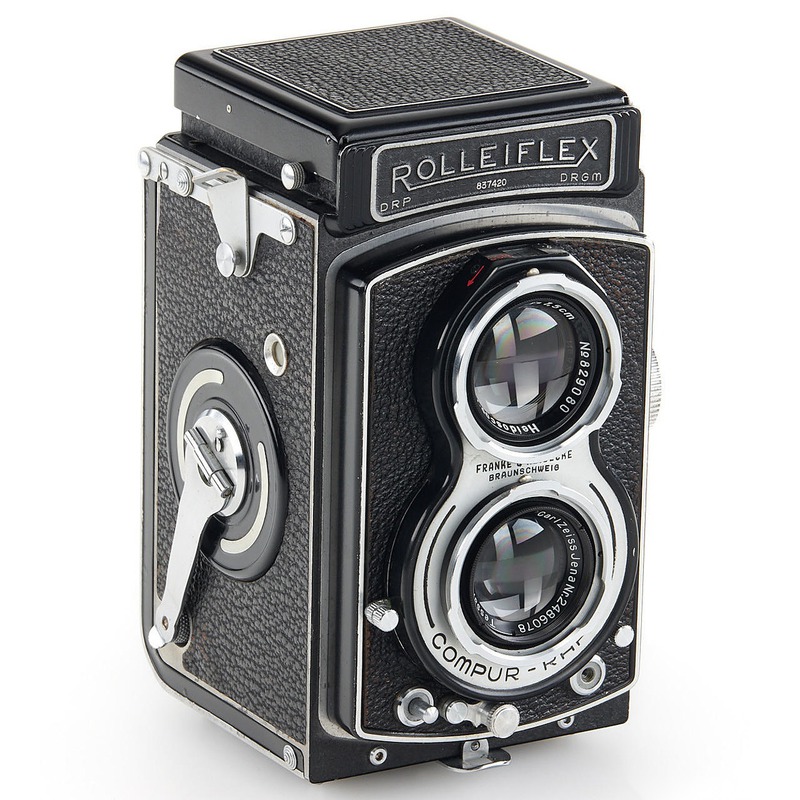
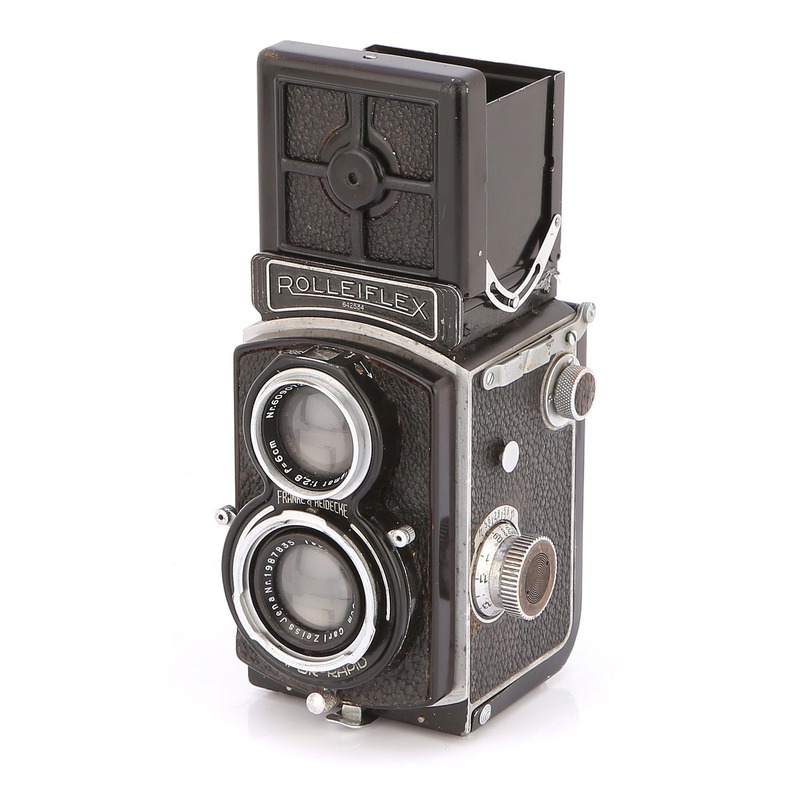
Rolleiflex New Standard (prototype)
Rollei · Germany · 1940 · 120 film
The Rolleiflex New Standard prototype of 1940 represents a critical, albeit unproduced, milestone in the evolution of Rollei's iconic twin-lens reflex camera line. As a developmental model preceding the commercial launch of the New Standard, this prototype would have embodied refinements building upon the hugely successful Rolleiflex Automat. While the specific operational details (like shutter types or lens configurations) remain unspecified without further historical context, its core significance lies in its role as a testbed for Rollei's post-Automat ambitions. Produced during a period of intense global uncertainty just before WWII, this prototype underscores the German manufacturer's commitment to advancing its medium format 120 system, likely focusing on improved viewfinders, focusing mechanisms, or ergonomic refinements intended to set new standards for professional and serious amateur photographers. Its existence highlights the meticulous engineering process behind Rollei's renowned cameras, even for models that never reached the market.
As a prototype, it stands as a tangible piece of Rollei's design heritage, distinct from the production models that followed. Its rarity and the technical insights it offers into mid-20th century camera development make it a significant artifact. While lacking the widespread cultural impact of the production New Standard or later Rollei models, this prototype holds a specific value for historians and collectors interested in the genesis of classic camera designs, offering a window into the incremental improvements that shaped Rollei's legacy in medium format photography.
Specifications
| Film Format | 120 |
/main.jpg)
/main.jpg)
/main.jpg)
/main.jpg)
 Enjoy this museum? Support on Ko-fi