/main.jpg)
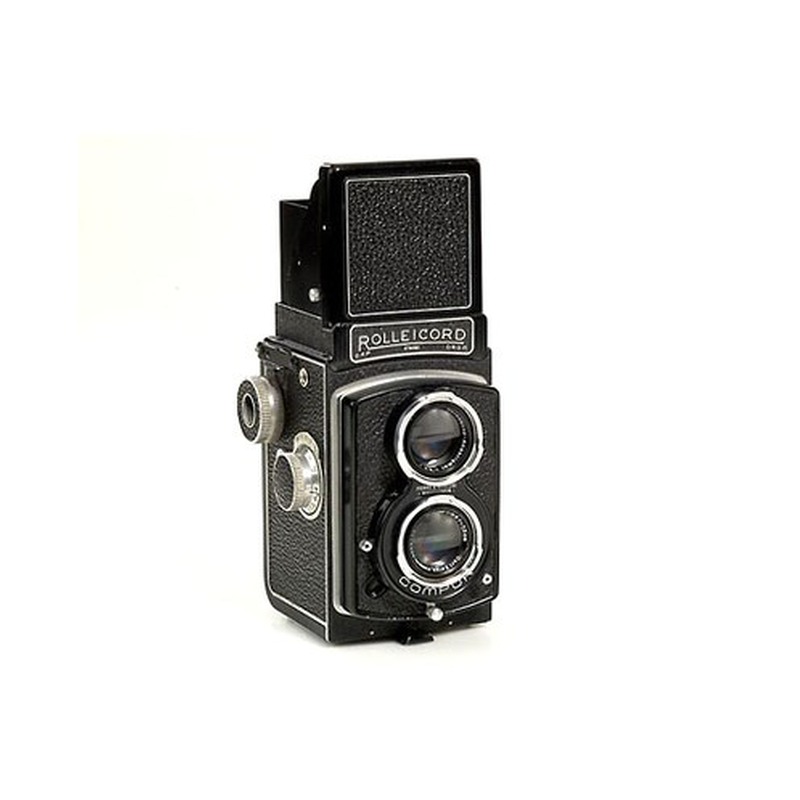
Rolleicord II (IIa / Model 2 / Model K3)
Rollei · Germany · 1937–1938 (1 years) · 120 film
The Rolleicord II, produced in its various iterations (IIa, Model 2, Model K3) from 1937 to 1938, represents Rollei's strategic effort to democratize high-quality medium format photography. As the direct successor to the original Rolleicord and the sibling to the iconic Rolleiflex TLR, this model offered a more accessible price point while retaining the core twin-lens reflex design that made Rollei famous. It utilized the reliable 120 roll film format, capturing 6x6 cm negatives. Characterized by simpler construction compared to the Rolleiflux, featuring fewer shutter speeds and less complex wind mechanisms, it nonetheless embodied the robust build quality and excellent optics associated with the brand, making it a practical tool for enthusiasts and serious amateurs seeking professional results without the premium cost. Its production during this specific pre-WWII period solidified its place as a workhorse instrument that greatly influenced the popularization of medium format photography.
This camera is defined by its straightforward, utilitarian design centered around the viewing and taking lens pair, mounted within a durable metal body. Users composed images through a waist-level finder featuring a ground glass screen and a magnifier, focusing via a crank on the camera's right side. The Rolleicord II employed a simple, reliable Compur-style shutter (specific speed varied by model) paired with a fixed Schneider or Zeiss Tessar-type lens, delivering sharp, contrasty images that established the Rolleicord's reputation for reliability and image quality. It served as the bridge for many photographers entering the 6x6 realm, cementing Rollei's dominance in the TLR market before the war's disruption.
Specifications
| Film Format | 120 |
/main.jpg)
/main.jpg)
/main.jpg)
/main.jpg)
 Enjoy this museum? Support on Ko-fi