/main.jpg)
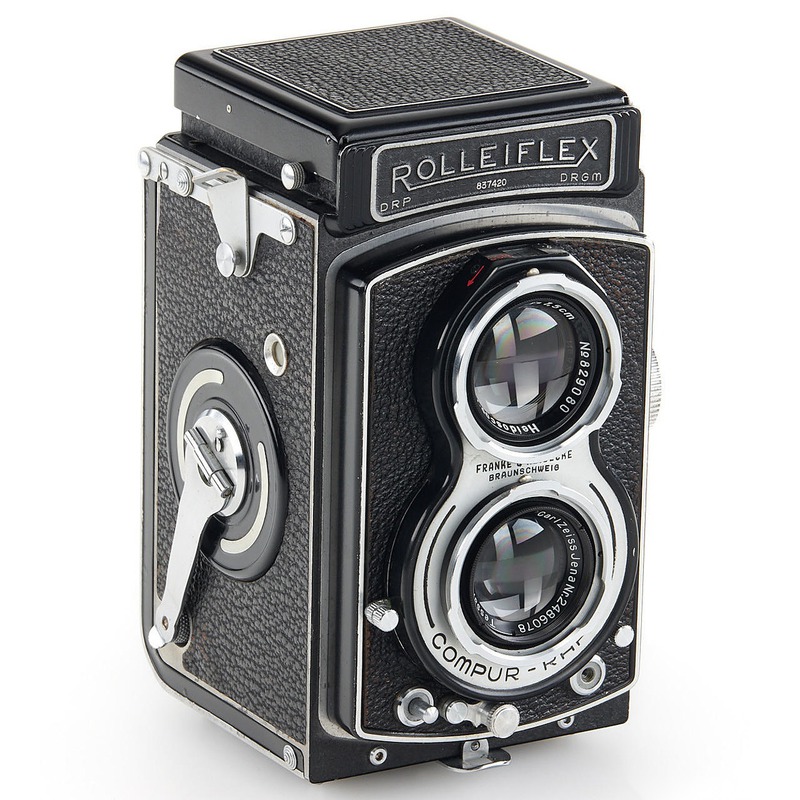
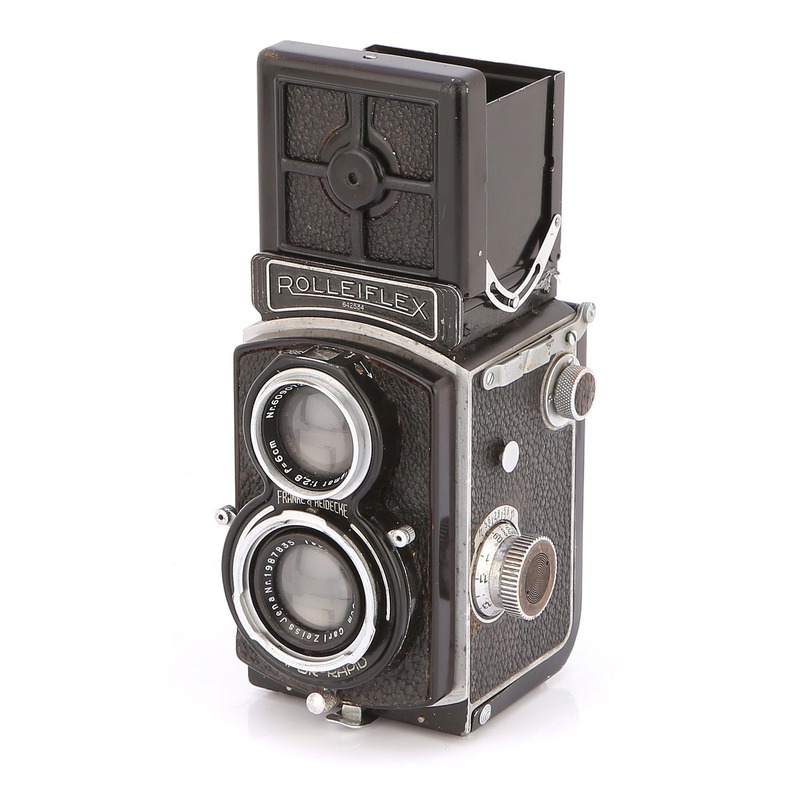
Rollei Kineidoscop (prototype)
Rollei · Germany · 1939 · 135 film
The Rollei Kineidoscop prototype of 1939 represents a significant but ultimately unrealized step in the German firm's exploration of the 35mm format. While Rollei was renowned for its medium format TLR cameras, this prototype demonstrated their interest in adapting their precision engineering to the smaller frame. It likely featured Rollei's characteristic high-quality optics and meticulous construction, embodying the company's commitment to image quality even at a prototype stage. Its development in 1939 places it within a crucial period when 35mm photography was gaining traction, though Rollei ultimately focused its main 35mm efforts on the Rolleinflex and later the Rolleiflex 35 series.
As a prototype, the Kineidoscop exists primarily as a historical footnote rather than a landmark design. It exemplifies the pre-war experimentation driving 35mm innovation, showcasing German engineering acumen applied to a new format for Rollei. However, without entering production, it did not influence subsequent camera designs or photographic practice directly. Its significance lies in its proof of concept and the era it represents, highlighting the technical ambitions of Rollei even before the disruptions of World War II. Its existence underscores the competitive landscape of 35mm development among European manufacturers during the late 1930s.
Specifications
| Film Format | 135 |
/main.jpg)
/main.jpg)
/main.jpg)
/main.jpg)
 Enjoy this museum? Support on Ko-fi