/main.jpg)
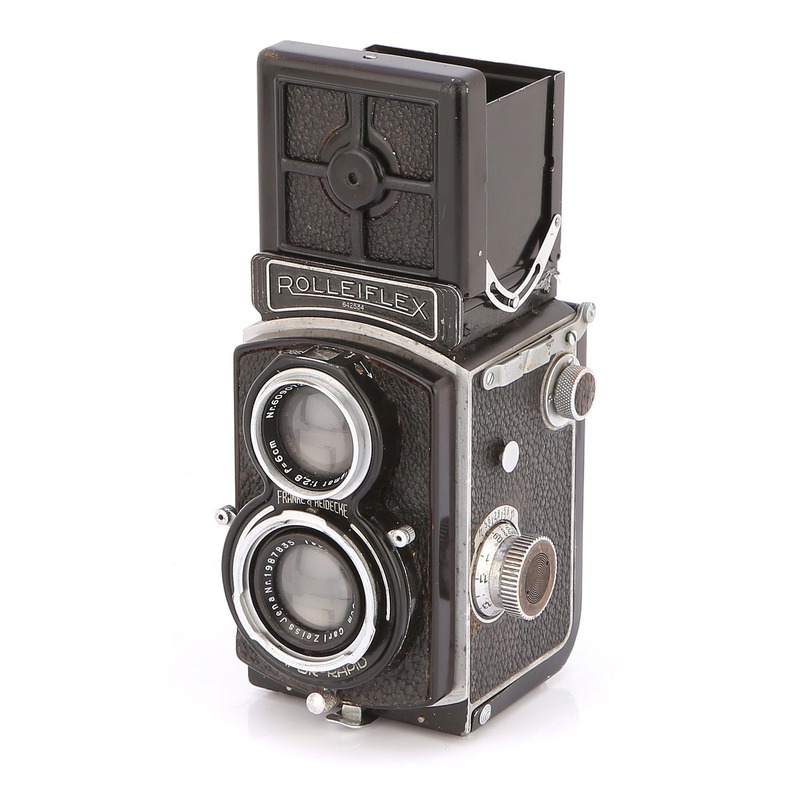
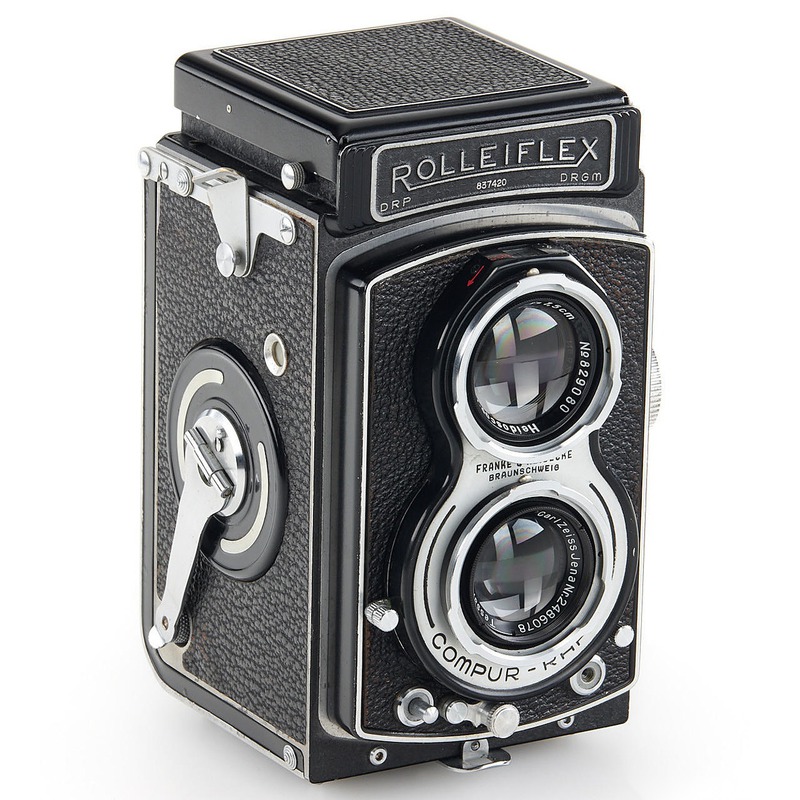
Rolleicord II (IIb /Model 3 / Model K3-541)
Rollei · Germany · 1938–1939 (1 years) · 120 film
The Rolleicord II (IIb/Model 3/K3-541) was an entry-level twin-lens reflex camera produced by Rollei between 1938 and 1939, designed to bring medium format photography to a broader audience who couldn't afford the company's more expensive Rolleiflux line. As part of the Rolleicord series, it shared the same fundamental twin-lens reflex design as its more expensive sibling, featuring two lenses: one for taking the image and another for the waist-level viewfinder. This particular model, introduced shortly before World War II, represented a refinement of earlier Rolleicord models with improved features while maintaining the accessible price point that defined the series.
With its 120 film format, the Rolleicord II produced 6×6 cm square negatives that offered superior quality compared to contemporary 35mm cameras. The camera featured a simple yet robust construction with a metal body and basic controls that were intuitive for amateur photographers. While lacking the advanced features and superior build quality of the Rolleiflux, the Rolleicord II provided an excellent entry point into medium format photography during a pivotal era in camera development. Its production window of just 1938-1939 makes it somewhat rare among Rolleicord models, adding to its interest among collectors of Rollei's pre-war cameras.
Specifications
| Film Format | 120 |
/main.jpg)
/main.jpg)
/main.jpg)
/main.jpg)
 Enjoy this museum? Support on Ko-fi