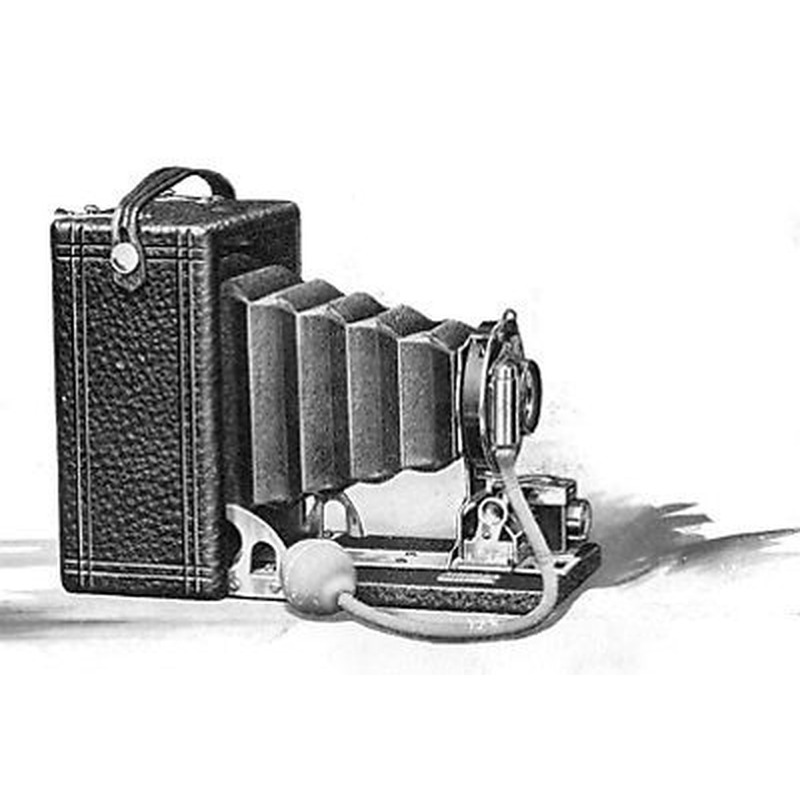
Kodak Premoette Special No.1
Kodak · USA · 1909–1911 (2 years) · 135 film
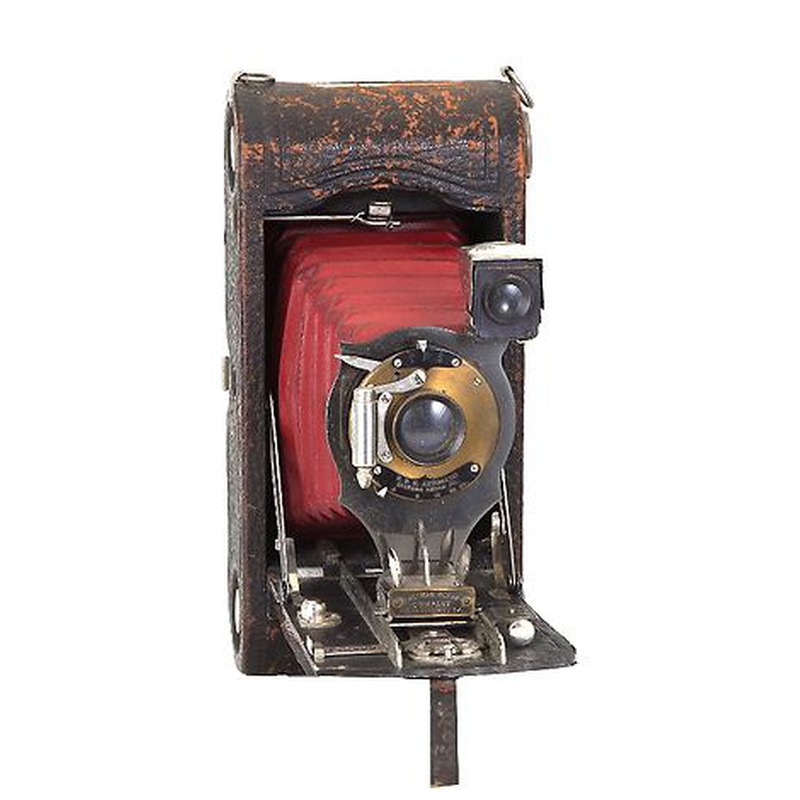
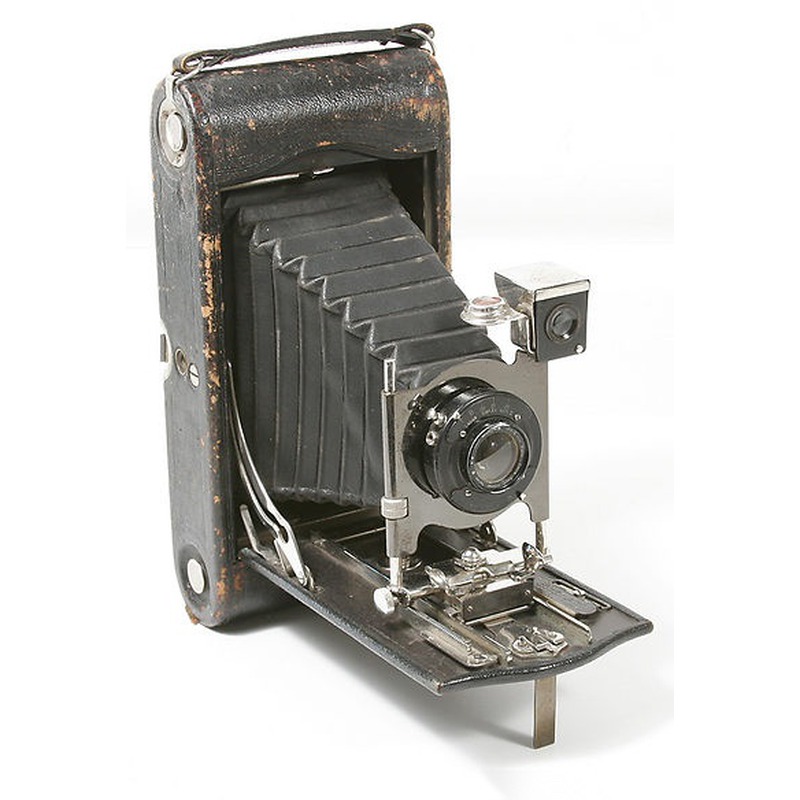
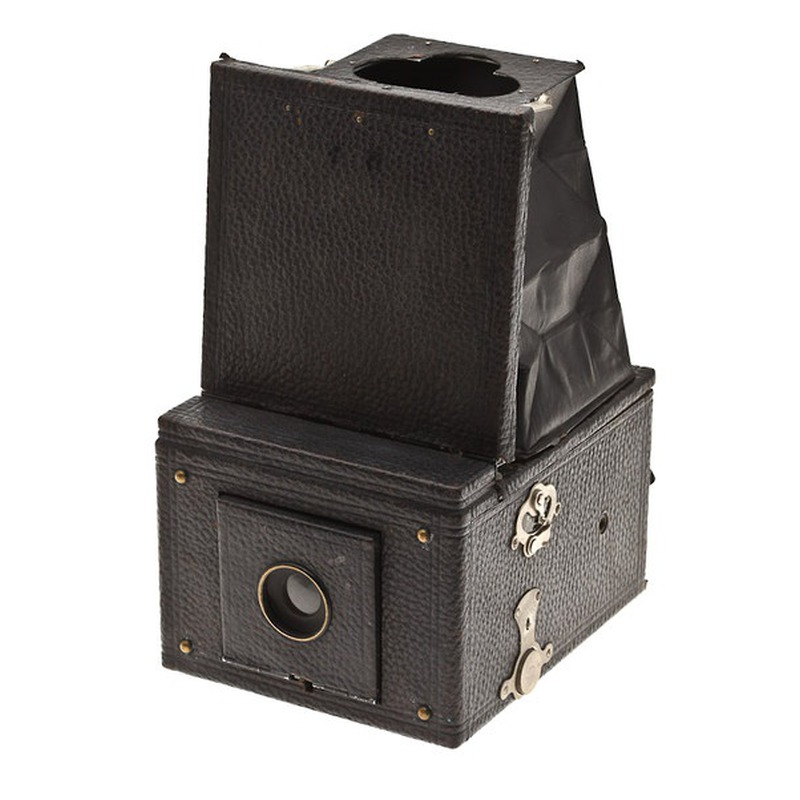
The Premoette Special No.1 holds a significant place as Kodak's first commercially produced camera designed specifically for 35mm film, introduced in 1909 and manufactured until 1911. Representing Kodak's early foray into this smaller format, which would later become the industry standard, it utilized standard 35mm movie film loaded into special cassettes. The camera itself was likely a simple, compact box or folding viewfinder model, characteristic of amateur Kodak products of the era. It offered portability and relative economy compared to larger formats, making photography accessible in a smaller package, though its specific technical features beyond the film format and basic operation remain largely undocumented. This pioneering attempt positioned Kodak within the nascent 35mm still photography market shortly before other companies, like Leica, began developing more revolutionary miniature cameras.
While not achieving widespread fame or fundamentally altering photographic practice like later icons, the Premoette Special No.1 is historically noteworthy as a tangible early example of Kodak adapting its production to the smaller film format. Its existence underscores the gradual shift towards miniature cameras in the early 20th century and Kodak's strategy to maintain dominance across the market spectrum. As an early, albeit transitional, product, it represents a step in the evolution towards the 35mm revolution, though its lack of major technical innovations and obscure survival rate limit its broader historical impact compared to landmark models that followed.
Specifications
| Film Format | 135 |
 Enjoy this museum? Support on Ko-fi