Pricing
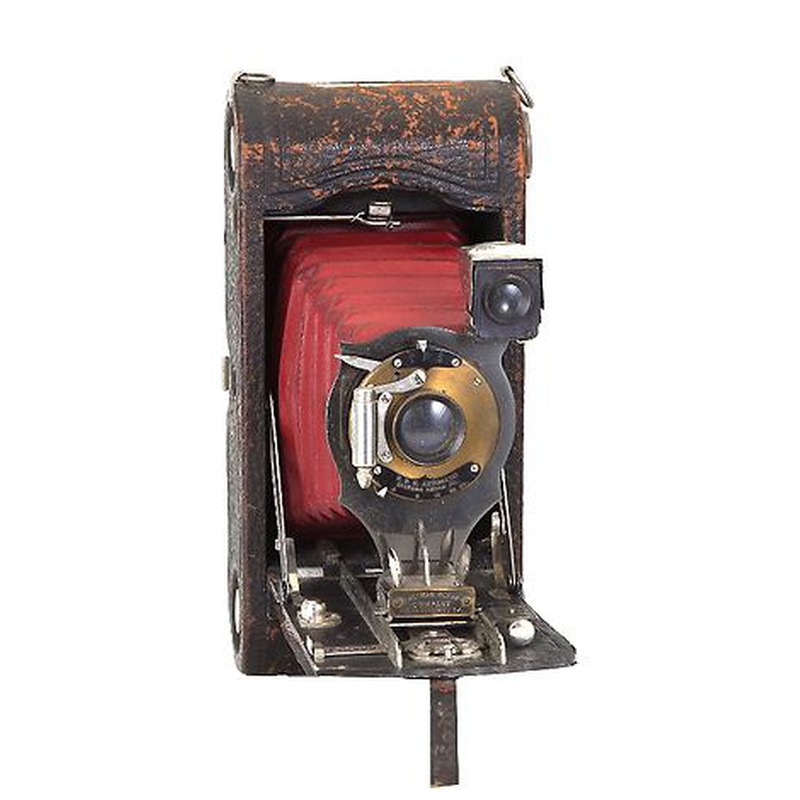
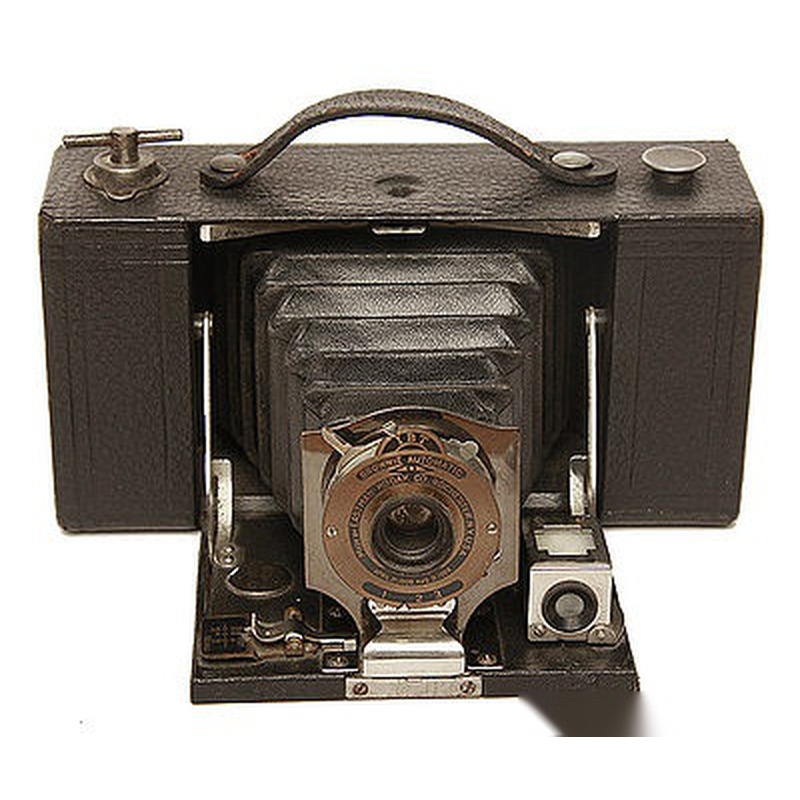
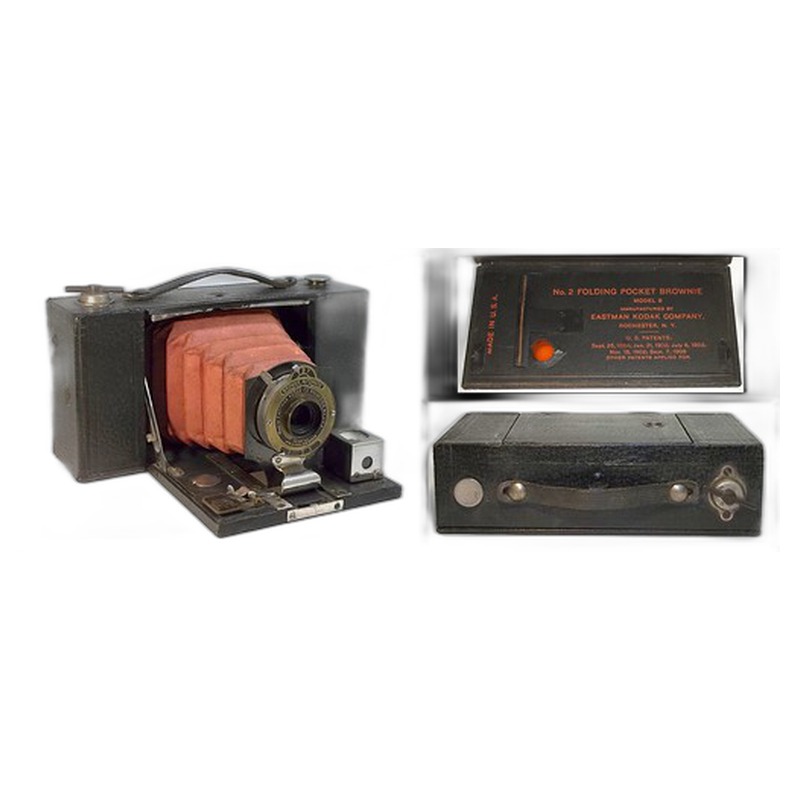
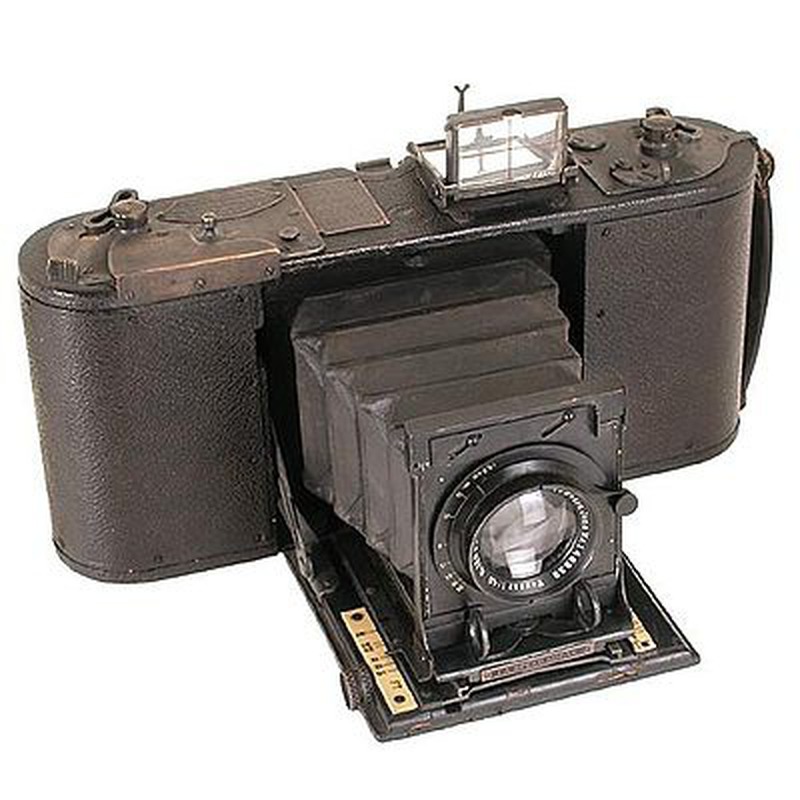
Kodak Folding Pocket No.1A Special
Kodak · USA · 1908–1912 (4 years) · 135 film
The Folding Pocket No.1A Special represents Kodak's significant early entry into the burgeoning 35mm format market, predating the revolutionary Leica I by nearly two decades. Designed as a compact folding camera, it utilized 135 film (standard 35mm perforated cinema stock, repurposed for still photography), making it one of the earliest commercially successful 35mm still cameras aimed at serious amateur photographers. Its folding bellows construction was characteristic of high-quality pocket cameras of the era, allowing for a relatively compact size when collapsed while maintaining a rigid platform for the lens. This Kodak model played a crucial role in demonstrating the viability of small-format photography before the Leica popularized it, helping to establish 35mm as a practical format beyond cine applications.
Offering a simplified alternative to larger folding plate cameras like the No. 3A Folding Pocket Kodak, which used larger film, the No.1A Special was positioned towards enthusiasts who desired greater portability without sacrificing image quality significantly. It typically featured a simple lens and shutter system reflecting the technology of the early 1910s, prioritizing reliability and ease of use over advanced features. While not technologically groundbreaking in the manner of later iconic models, its existence solidified 35mm's path towards becoming the dominant photographic format, marking an important transitional phase in camera history driven by Kodak's marketing dominance and engineering influence.
Specifications
| Film Format | 135 |
 Enjoy this museum? Support on Ko-fi