Pricing
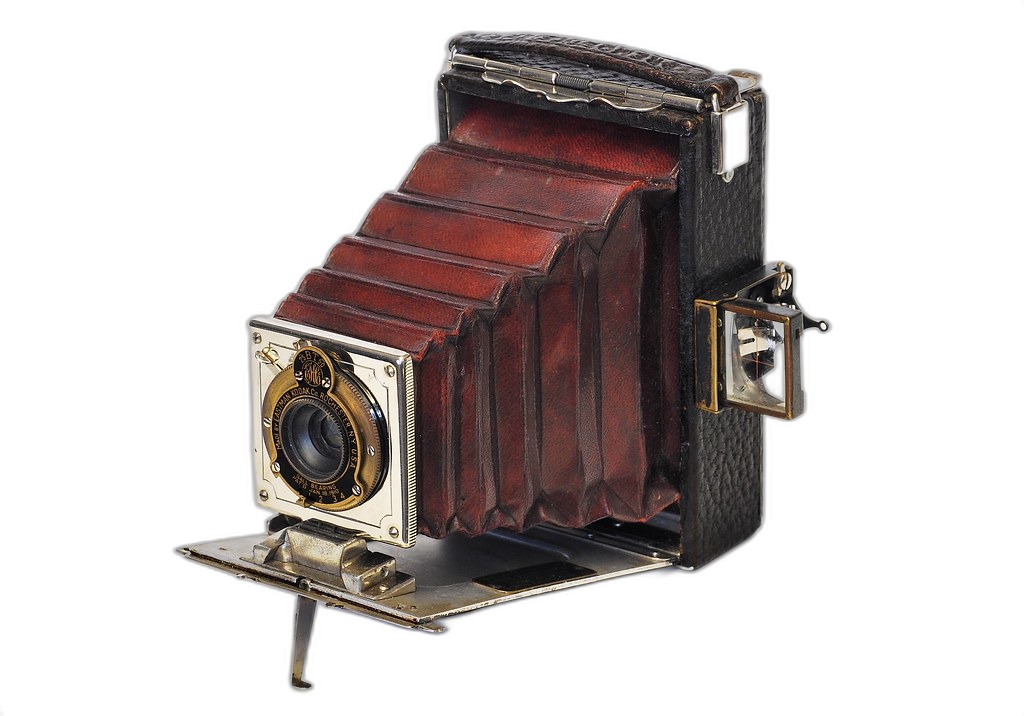
Kodak Premoette No.1
Kodak · USA · 1909–1912 (3 years) · 135 film
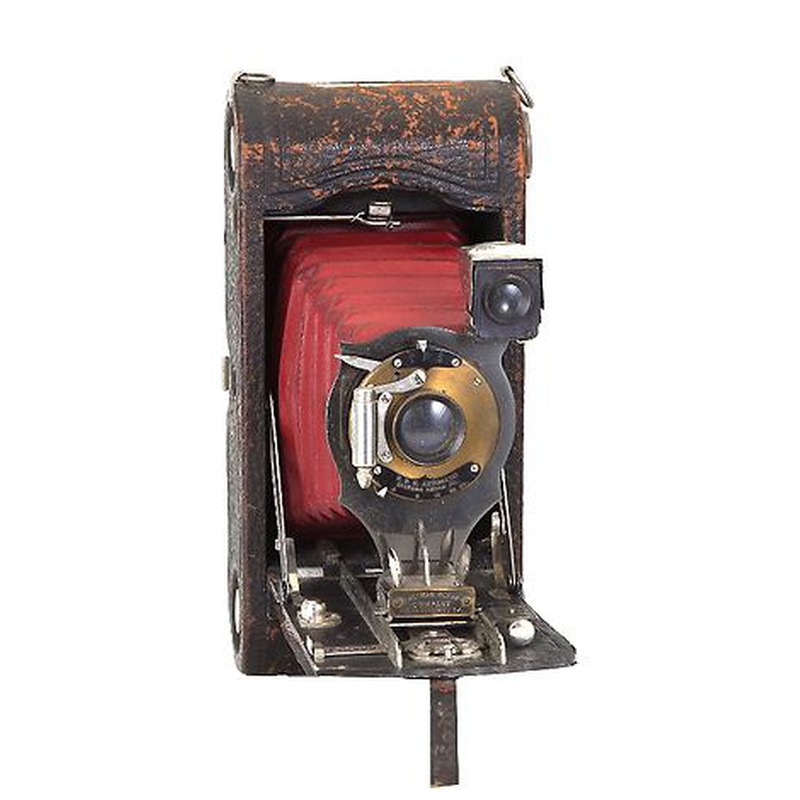
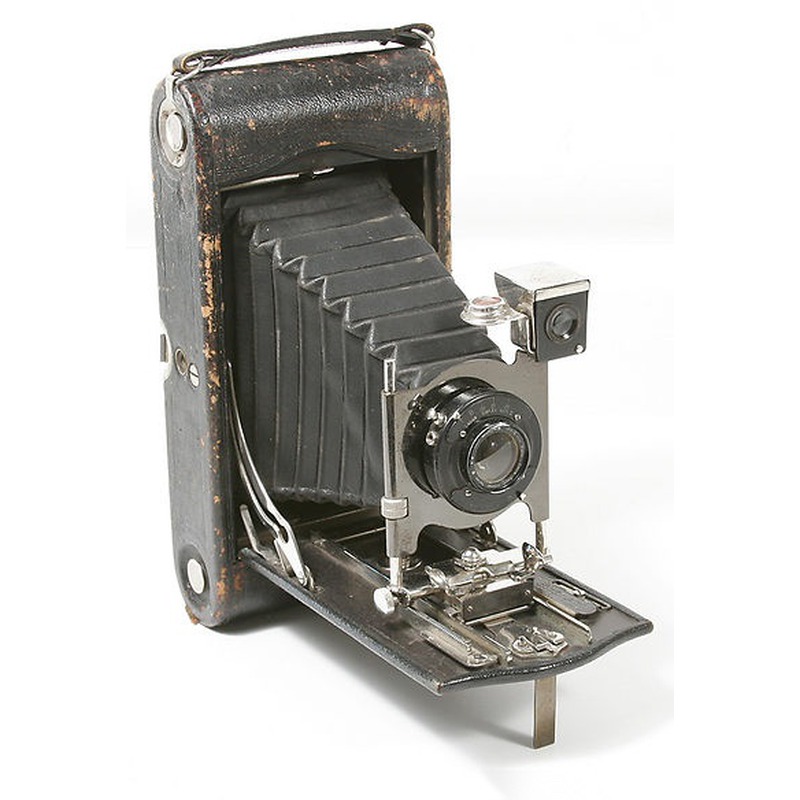
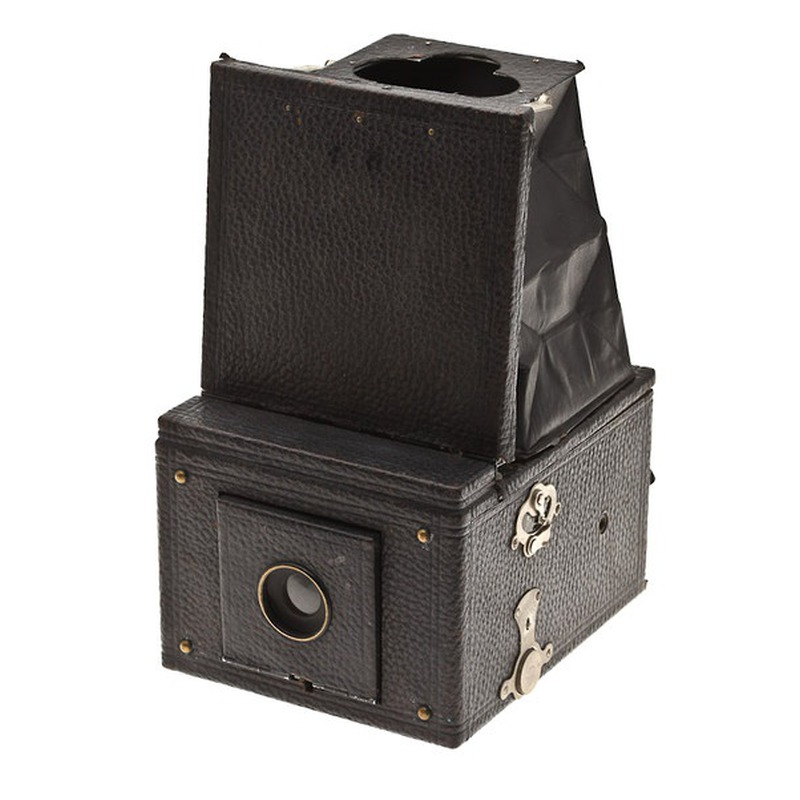
The Premoette No.1 stands as an early example of Kodak's exploration of the 35mm format, produced during a transitional period in photography history when roll film was gaining popularity but before 35mm would become the standard for small cameras. Introduced in 1909 and discontinued by 1912, this model represents Kodak's initial attempts at creating more compact cameras for amateur photographers, utilizing the 135 film format that would later revolutionize photography. While little is known about its specific design features or innovations, its production during this formative period gives it historical significance as part of the evolution toward the 35mm cameras that would dominate the 20th century. The Premoette No.1 serves as a testament to Kodak's role in developing photography technologies and demonstrates the company's early recognition of the potential for smaller, more portable cameras.
As an early 35mm offering from Kodak, the Premoette No.1 bridges the gap between the bulky roll-film cameras of the early 1900s and the more sophisticated 35mm models that would emerge later. Its relatively short production span suggests it may have been an experimental or transitional model for Kodak, potentially designed to test market reception of the smaller format. Though details about its specific construction or image quality are not documented, its existence contributes to understanding the technological progression that would eventually make 35mm photography accessible to both professionals and serious amateurs.
Specifications
| Film Format | 135 |
 Enjoy this museum? Support on Ko-fi