Pricing
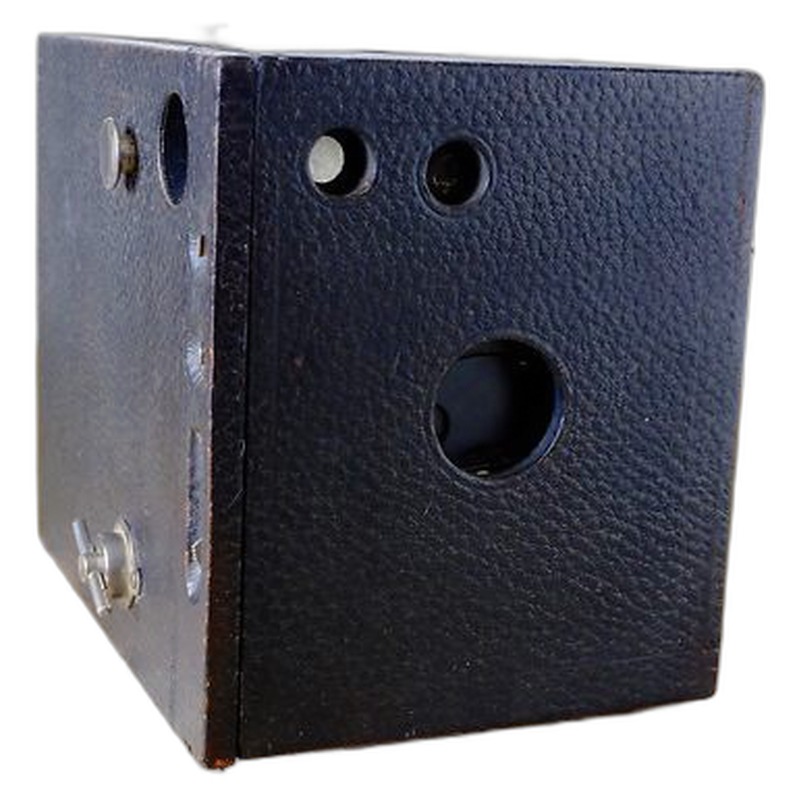
Kodak Bull's Eye No.3 Model A
Kodak · USA · 1908–1913 (5 years) · 135 film
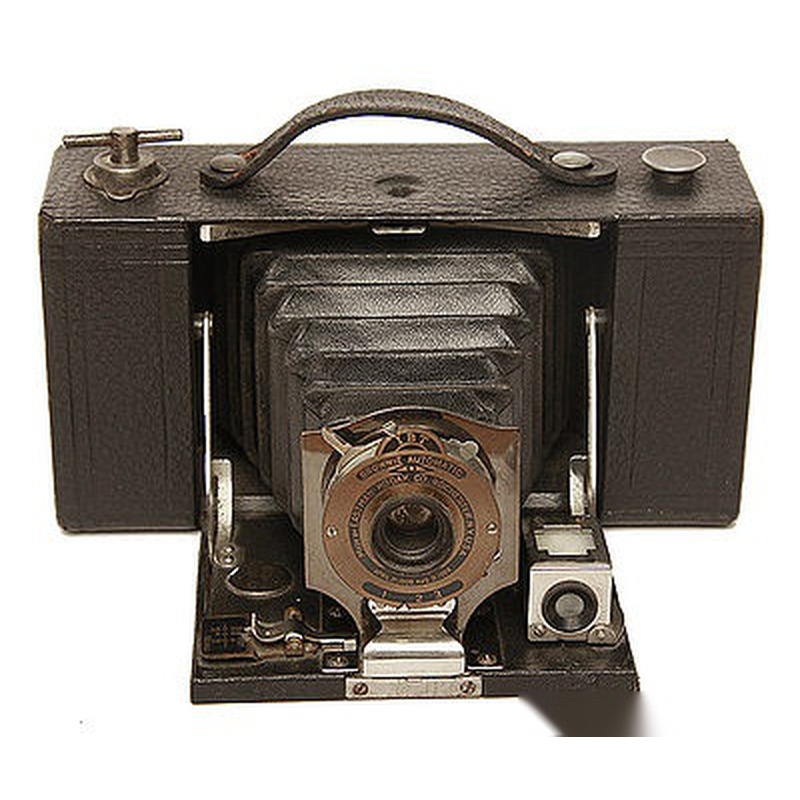
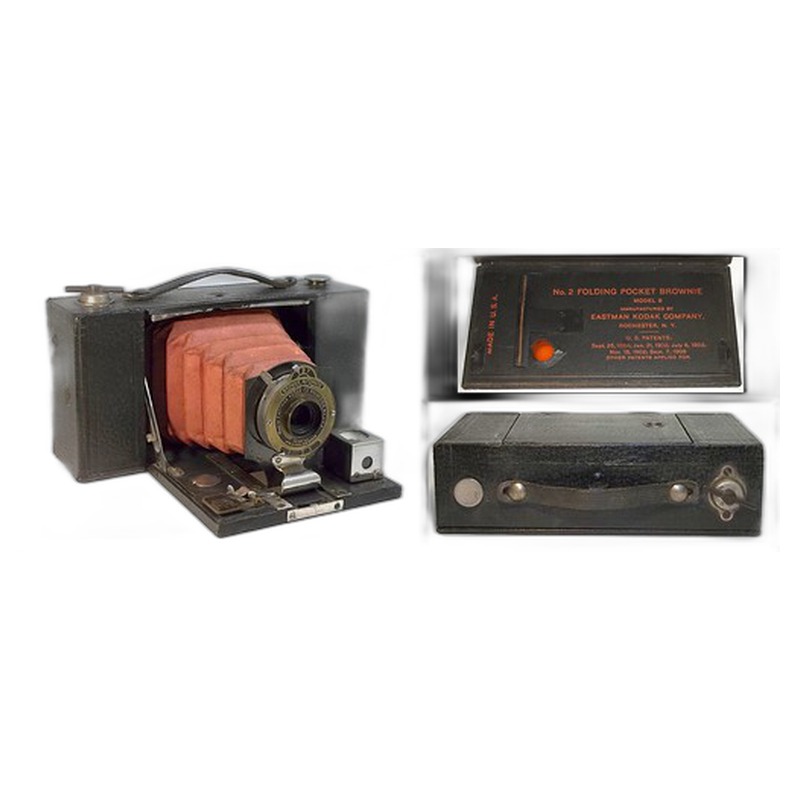
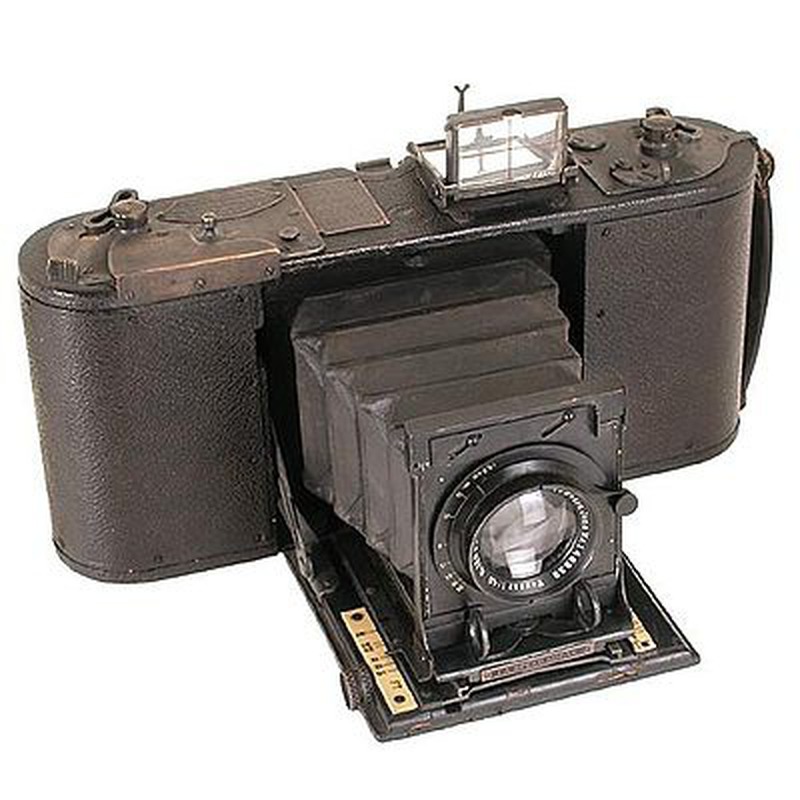
Produced from 1908 to 1913, the Bull's Eye No.3 Model A holds a significant place as Kodak's first attempt to enter the emerging 35mm still photography market. While its exact type remains unspecified, it utilized 135 format film, repurposing 35mm motion picture film in standard cassettes. This made it one of the earliest commercially available cameras for this format, predating the later popularization of 35mm by Leica and others. Designed as a simple, hand-held camera, it featured a fixed-focus lens and a basic shutter mechanism, catering to amateur photographers seeking a compact alternative to bulkier plate or rollfilm cameras. Its introduction was a strategic move by Kodak to explore the potential of small-format photography before the eventual dominance of 135mm.
The camera's design reflected Kodak's approach to accessible photography. Constructed primarily from metal with basic controls, it prioritized simplicity and affordability over advanced features or rugged build. While not revolutionary in its own right, the Bull's Eye No.3 Model A is historically notable as an early milestone in the transition towards miniature cameras and the standardized 35mm film format that would become the industry standard for decades. Its existence underscores Kodak's early recognition of the potential for smaller, more portable photographic equipment.
Specifications
| Film Format | 135 |
 Enjoy this museum? Support on Ko-fi