_(prototype)/main.jpg)
Pricing
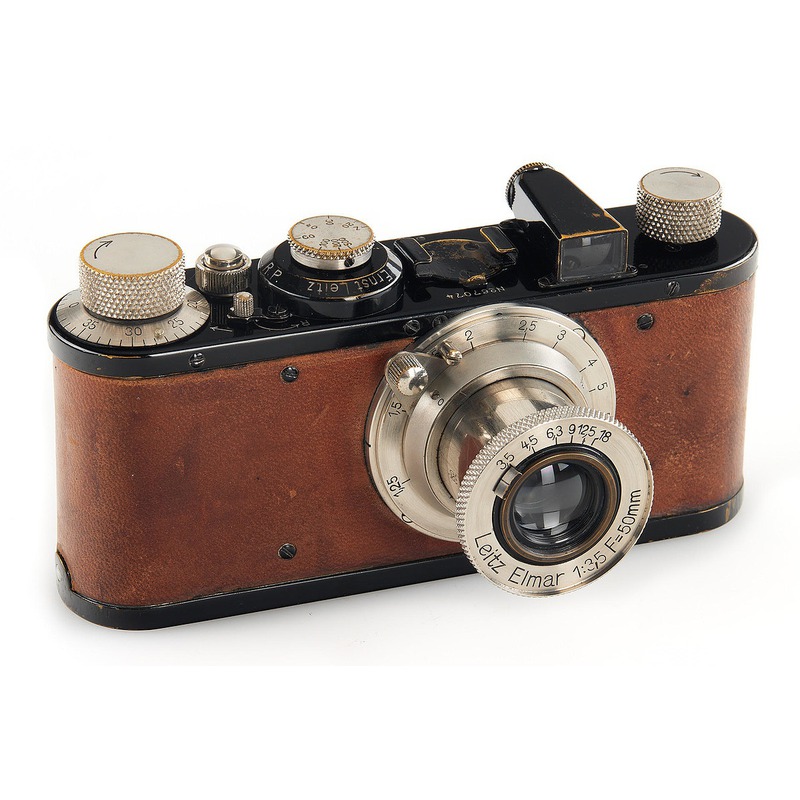
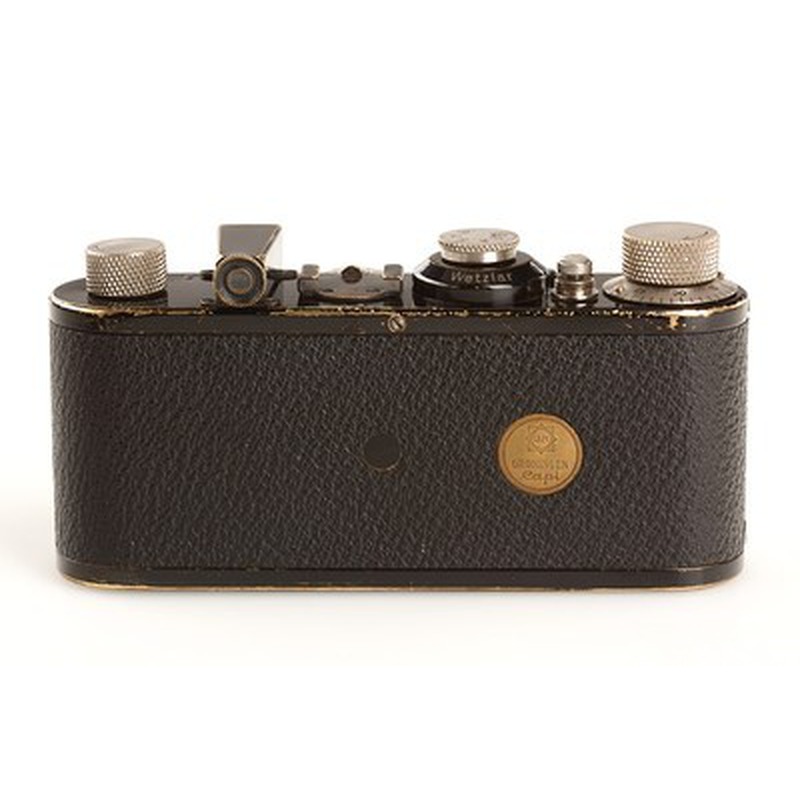
Leica II (Mod D) (prototype)
Leica · Germany · 1931 · 135 film
The Leica II (Mod D) prototype of 1931 represents a pivotal moment in 35mm camera history, marking the first iteration of Leica's revolutionary rangefinder coupling system. Building upon the foundation of the Leica I (Model A), this prototype integrated a coupled rangefinder with the viewfinder, enabling significantly faster and more accurate focusing – a crucial advancement for handheld photography and photojournalism emerging in the early 1930s. While sharing the robust, precision-milled brass and chrome body construction synonymous with Leica, and retaining the focal-plane shutter and interchangeable lens mount from the Leica I, the integrated rangefinder was its defining innovation. This prototype directly paved the way for the commercially successful Leica II (Model D) later in 1932, establishing the essential design template that dominated high-end 35mm photography for decades, influencing countless subsequent rangefinder cameras worldwide. Its existence underscores Leica's relentless pursuit of photographic precision and portability during the formative years of small-format photography.
Although a prototype, the Leica II (Mod D) embodied the core principles that made Leica cameras legendary: exceptional build quality, meticulous engineering, and compact, reliable operation. It represents the critical experimental phase where the concept of a truly practical, high-performance coupled rangefinder 35mm camera was proven and refined before mass production. This prototype is not merely a curiosity; it is the direct ancestor of the Leica II, III, and subsequent rangefinder models that became the tools of icons like Henri Cartier-Bresson and Robert Capa, shaping the visual language of the 20th century.
Specifications
| Film Format | 135 |
/main.jpg)
/main.jpg)
/main.jpg)
/main.jpg)
 Enjoy this museum? Support on Ko-fi