Pricing
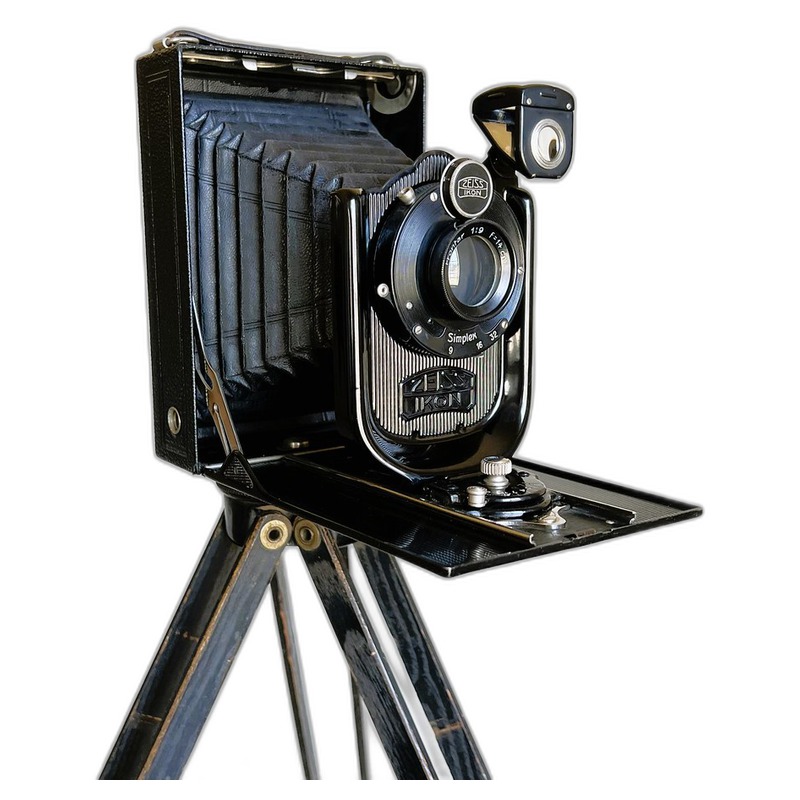
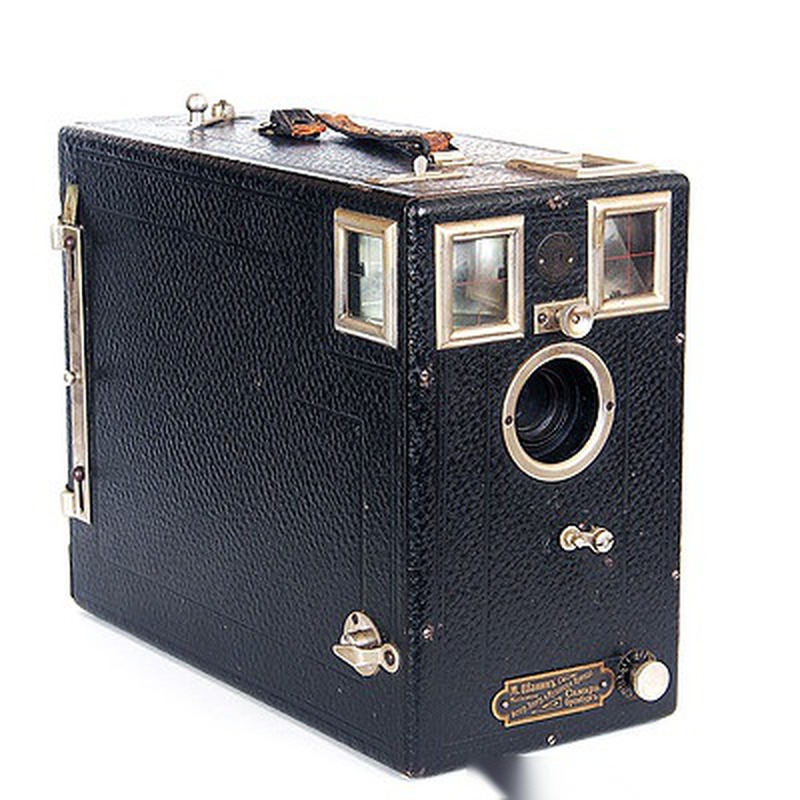
Ernemann Simplex
Ernemann · Germany · 1917–1926 (9 years) · 135 film
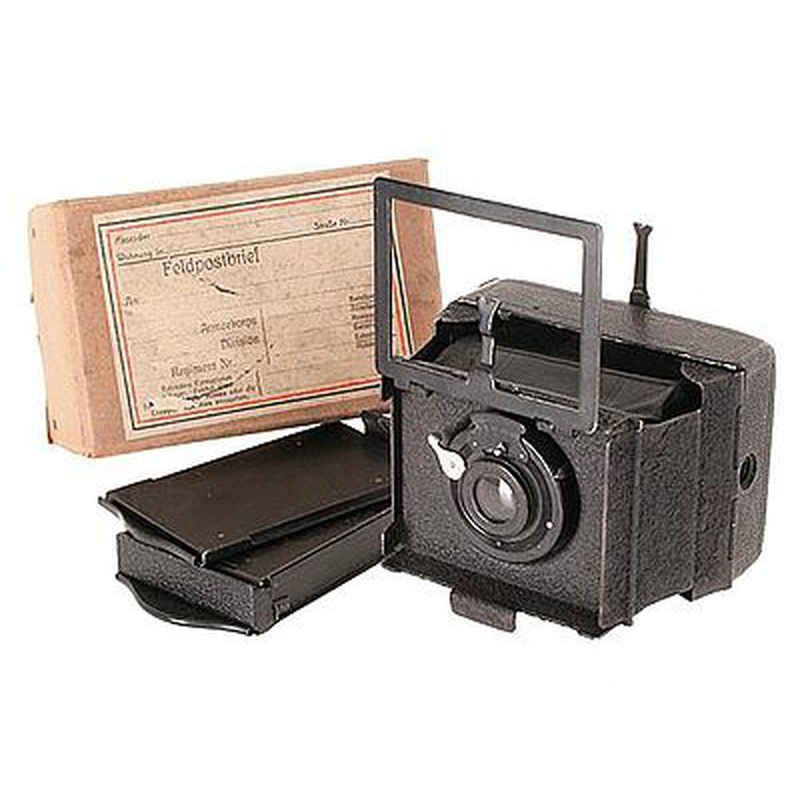
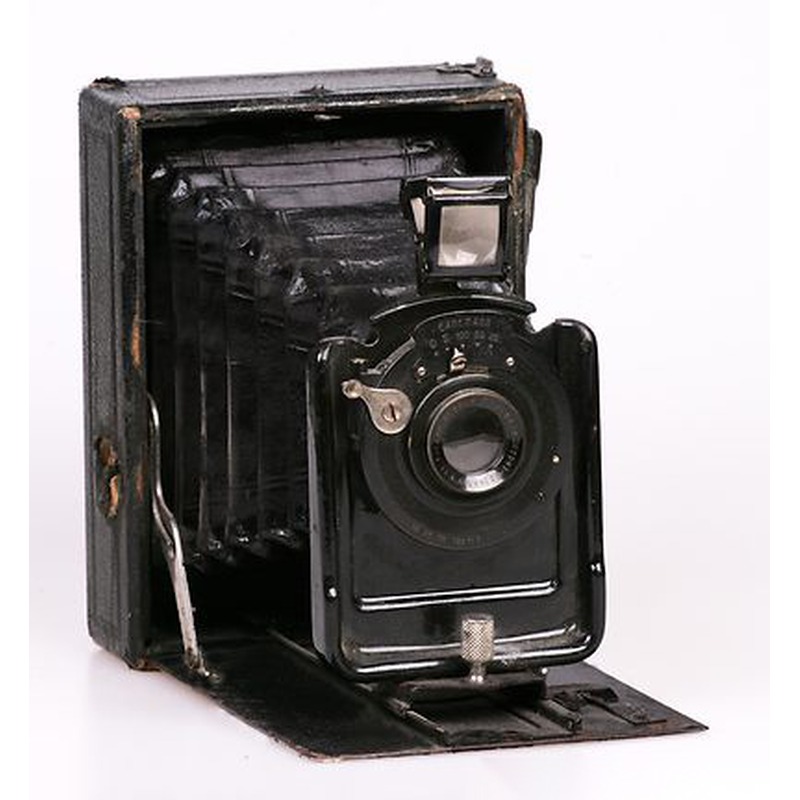
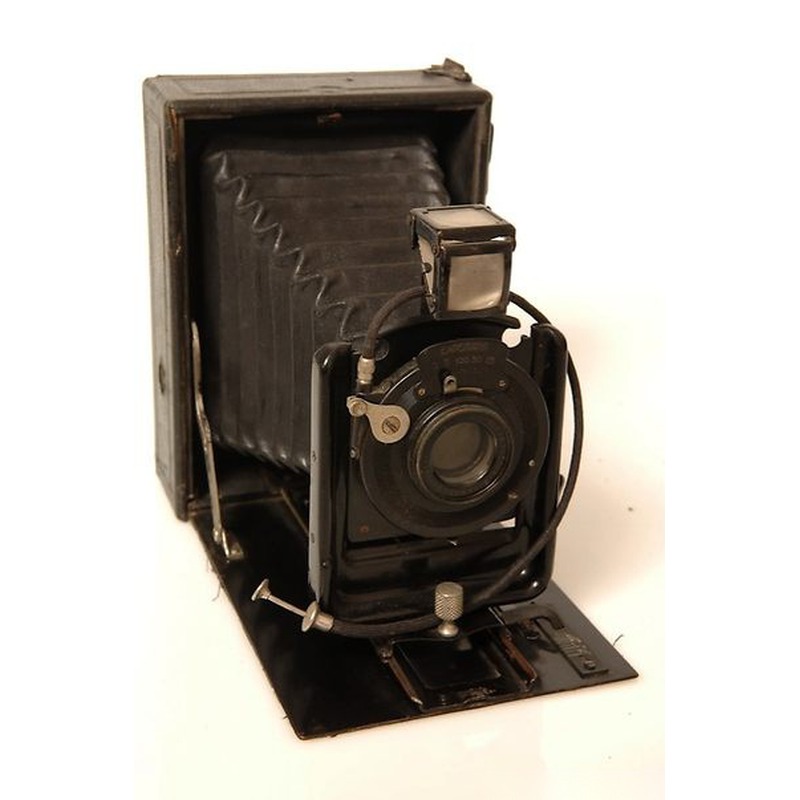
The Ernemann Simplex represents an early and significant step in the evolution of 35mm photography, marking a period before the format's popularization by Leica. Produced by the German Ernemann company from 1917 through 1926, the camera utilized the emerging 135 film format (then known as 35mm perforated movie film), catering to photographers seeking a more compact and portable alternative to larger plate or roll-film cameras. Its design, while likely straightforward compared to later models, capitalized on the potential of the small frame size, offering a more manageable apparatus for amateur and professional photographers interested in candid shots and travel photography during the post-World War I era. The Simplex's existence underscores Ernemann's pioneering role in adapting cinematic film stills, contributing to the foundational landscape that paved the way for the miniature camera revolution of the late 1920s and beyond.
As one of the commercially produced 35mm still cameras of its time, the Simplex holds a place in the pre-Leica narrative. While specific details about its exact design, shutter mechanisms, or lens options are not detailed in the provided information, its production run of nearly a decade indicates a viable, albeit niche, market. It serves as a tangible artifact of the period when manufacturers were experimenting with small-format cameras, exploring ergonomics, and establishing the basic principles of loading and exposing 35mm film. Its importance lies less in any single groundbreaking innovation and more in its demonstration of the format's viability for still photography within a specific historical window before Leica's standardized system dominated the market.
Specifications
| Film Format | 135 |
/main.jpg)
/main.jpg)
 Enjoy this museum? Support on Ko-fi