/main.jpg)
Pricing
Ernemann Film K (6.5x11)
Ernemann · Germany · 1916–1926 (10 years) · 135 film
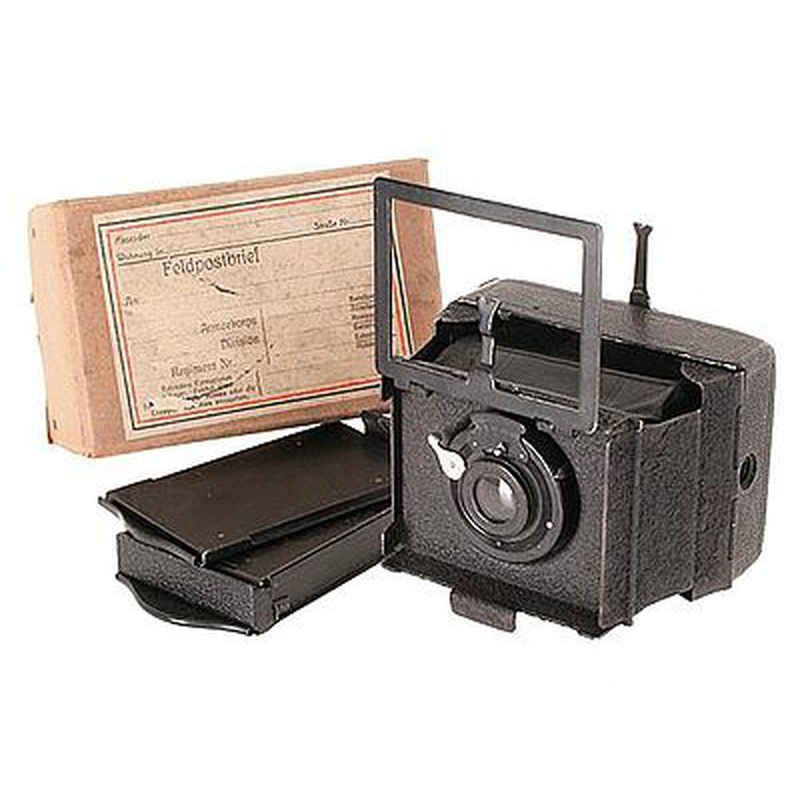
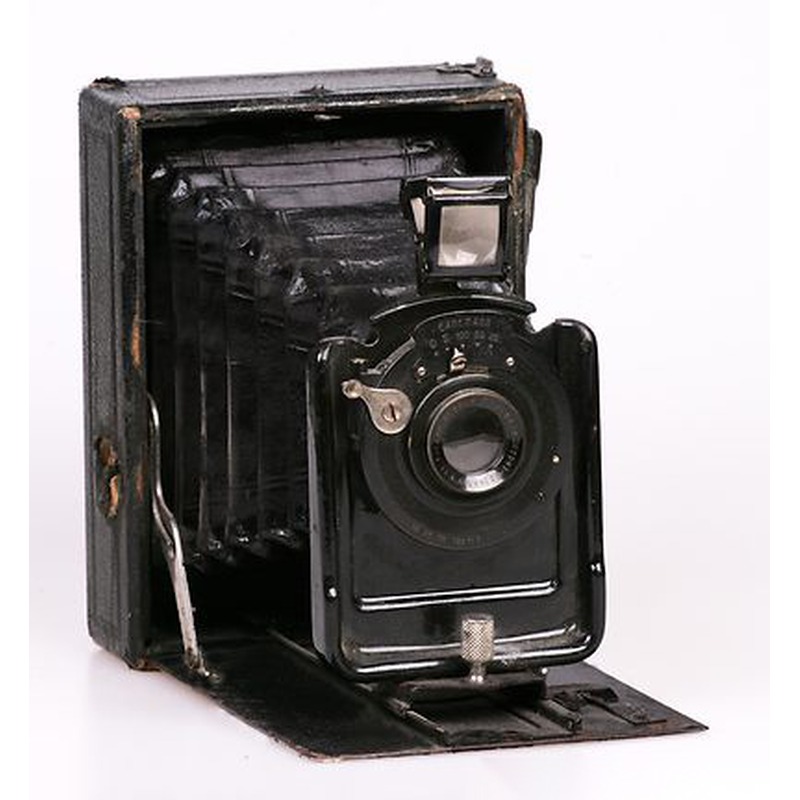
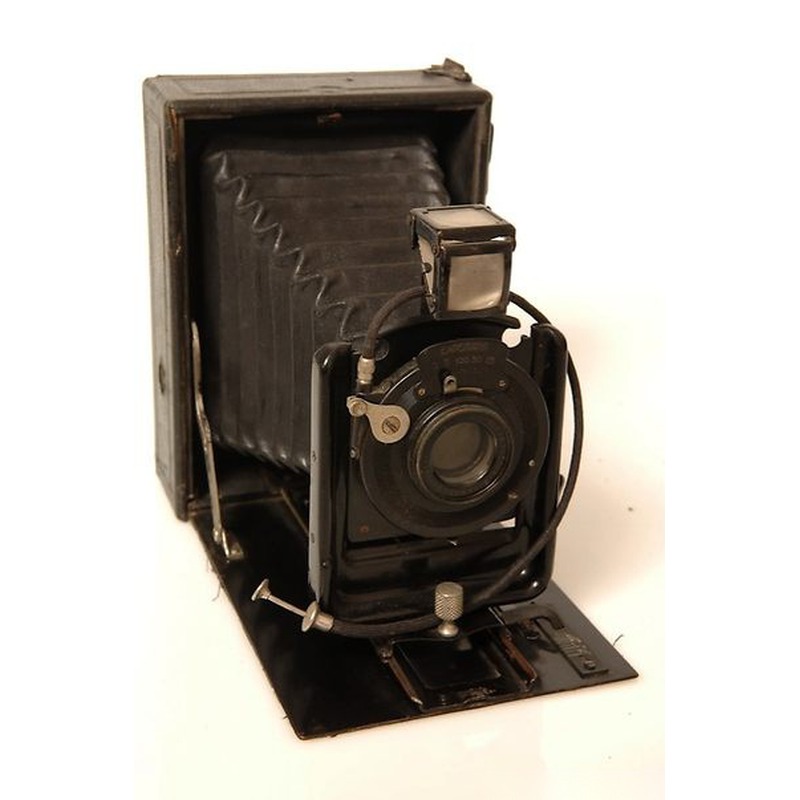
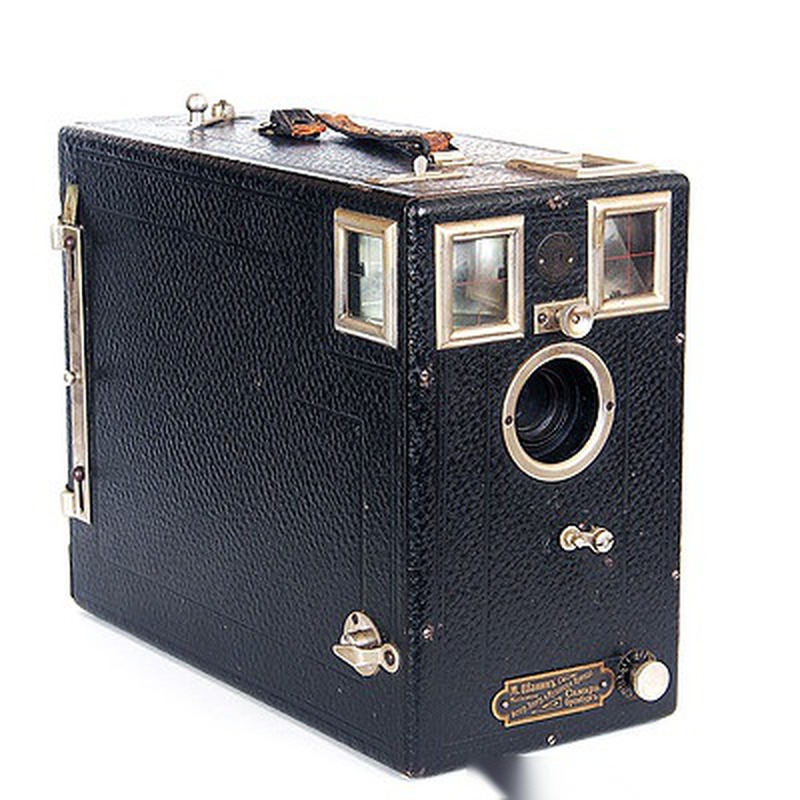
The Ernemann Film K (6.5x11) represents a significant chapter in the evolution of compact amateur photography during the pivotal interwar period. Produced in Dresden from 1916 to 1926, this camera utilized 35mm film (later standardized as 135 format) but exposed a unique 6.5x11cm negative, approximately half the area of a standard 35mm full frame. This unusual format likely aimed to balance compactness with larger image quality than the emerging miniature cameras of the era, potentially targeting photographers seeking a portable yet practical alternative. Ernemann, a reputable German manufacturer known for quality optics and innovative designs before merging into Zeiss-Ikon in 1926, positioned the Film K as a versatile option for enthusiasts during a time when 35mm film was gaining traction for still cameras. Its design emphasized portability and functionality, featuring a collapsible body typical of the period and likely incorporating Ernemann's reliable shutter mechanisms and lenses, catering to the growing amateur market seeking accessible high-quality equipment.
While not achieving the legendary status of some contemporaries, the Film K holds notable importance as a tangible example of early 35mm experimentation and Ernemann's contribution to the development of portable photography. Its production spanned a crucial decade, witnessing the immediate aftermath of World War I and the technological strides of the Roaring Twenties. The camera's distinct 6.5x11 format, now obsolete, serves as a historical marker in the progression towards standardization. Surviving examples offer insight into Ernemann's engineering prowess and the practical solutions employed to make miniature film viable for serious hobbyists, bridging the gap between larger roll-film folders and the fully miniature 35mm cameras that would soon dominate the market after Ernemann's merger.
Specifications
| Film Format | 135 |
/main.jpg)
/main.jpg)
 Enjoy this museum? Support on Ko-fi