Pricing
Ernemann Bob 0
Ernemann · Germany · 1917–1920 (3 years) · 135 film
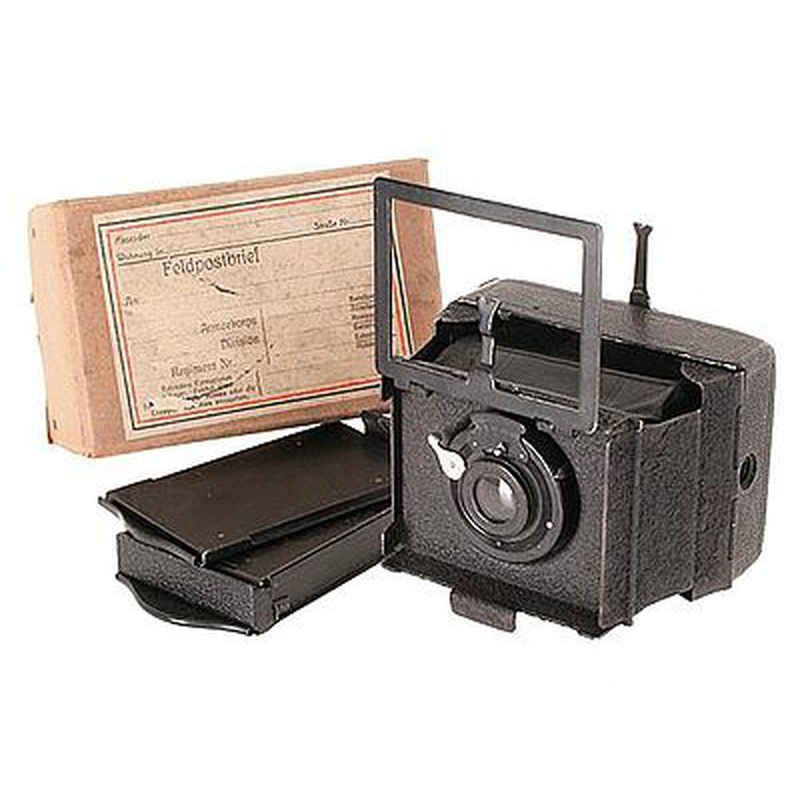
The Bob 0 represents Ernemann's brief foray into the burgeoning 35mm (135) still camera market between 1917 and 1920. As a product of a major German photographic equipment manufacturer during the immediate post-World War I period, it likely served as an entry-level offering for amateur photographers seeking a compact alternative to larger plate or roll-film cameras. Utilizing the standardized 35mm cine film, it positioned Ernemann alongside other early adopters of this format for still photography. While specific details of its design (such as lens type, shutter mechanism, or viewfinder) are not recorded here, its core purpose was accessible image capture using a then-modern and versatile film format. Its production period is relatively short, confined to just three years before the company was absorbed into Zeiss-Ikon in 1926, marking it as a transitional product within Ernemann's history.
As an early commercial 135 camera, the Bob 0 holds a place among the pioneering efforts that established the 35mm format for still photography. However, compared to contemporaneous models from competitors like Leica (which emerged slightly later with greater focus on innovation and compact design), the Bob 0 appears less technologically distinctive or influential in photographic history. Its significance lies more in Ernemann's adaptation to the new format and its role as an early example of 135 camera production for the consumer market during a specific historical window. It represents a snapshot of German photographic industry evolution during a challenging era.
Specifications
| Film Format | 135 |
/main.jpg)
/main.jpg)
 Enjoy this museum? Support on Ko-fi