Pricing
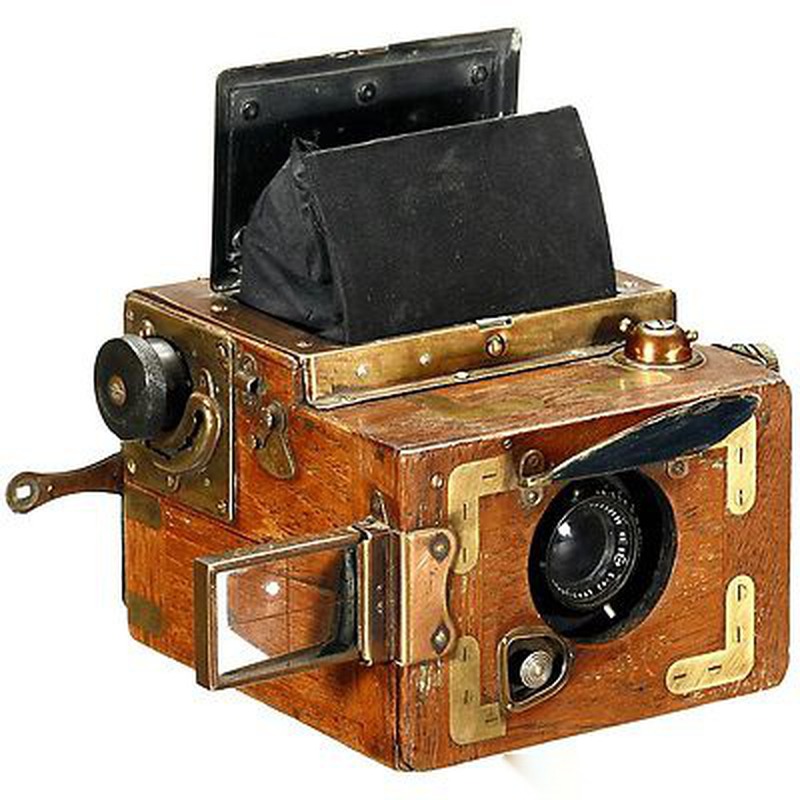
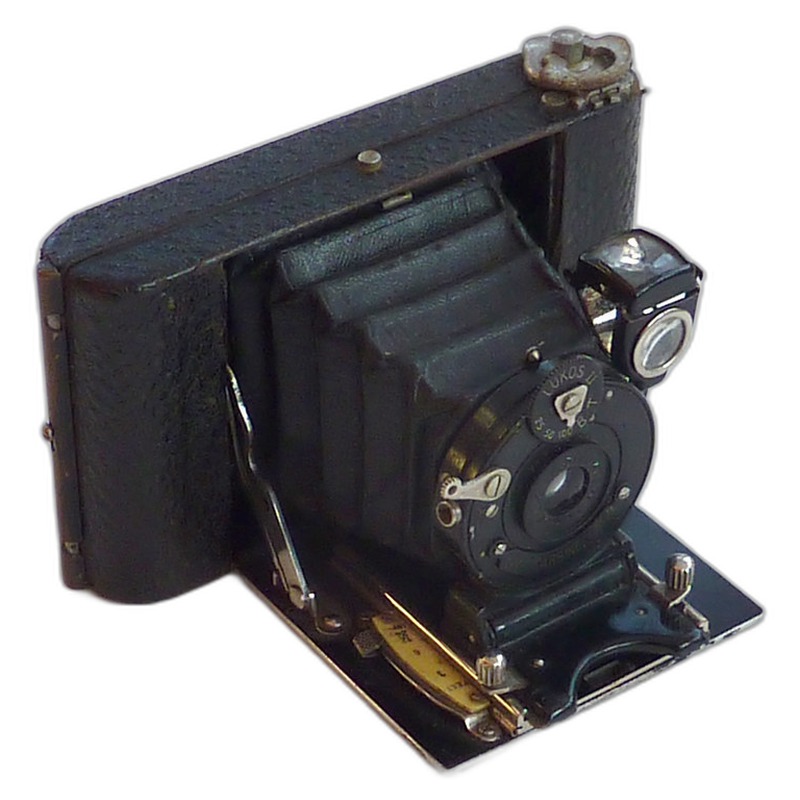
Houghton Ensign Focal Plane Rollfilm Reflex Tropical
Houghton · UK · 1925 · 135 film
Introduced in 1925, the Ensign Focal Plane Rollfilm Reflex Tropical by Houghton occupies a significant, if lesser-known, position in the early development of the 35mm format. As one of the first cameras to utilize the then-new 135 cartridge film alongside the revolutionary Leica I, it represented a critical step towards making small-format photography practical and portable. Its focal plane shutter offered high-speed capabilities and interchangeable lenses for a reflex viewing system, a notable feature for its era, though likely less sophisticated than the Leica's coupled rangefinder. The "Tropical" designation indicates it was constructed with durability in mind, possibly featuring light seals and protective finishes intended for use in challenging environmental conditions, reflecting Houghton's approach to robust engineering for professional and amateur photographers venturing beyond the studio.
While sharing the 1925 milestone with the Leica, the Ensign Focal Plane Reflex was overshadowed by the German camera's groundbreaking impact and subsequent market dominance. Houghton, a respected British manufacturer primarily known for larger roll-film cameras like the "Speed" and "Ideal" models, applied its expertise in precision mechanics to this 35mm format, aiming to capture a share of the emerging small-format market. The camera provided a solid, workable alternative to the Leica, particularly appealing to British users and those prioritizing the reflex viewing system. Its historical significance lies in its role as a contemporary contender alongside the Leica I, demonstrating the parallel evolution of 35mm technology in different markets and contributing to the broader acceptance of small-format photography as a viable system.
Specifications
| Film Format | 135 |
/main.jpg)
/main.jpg)
 Enjoy this museum? Support on Ko-fi