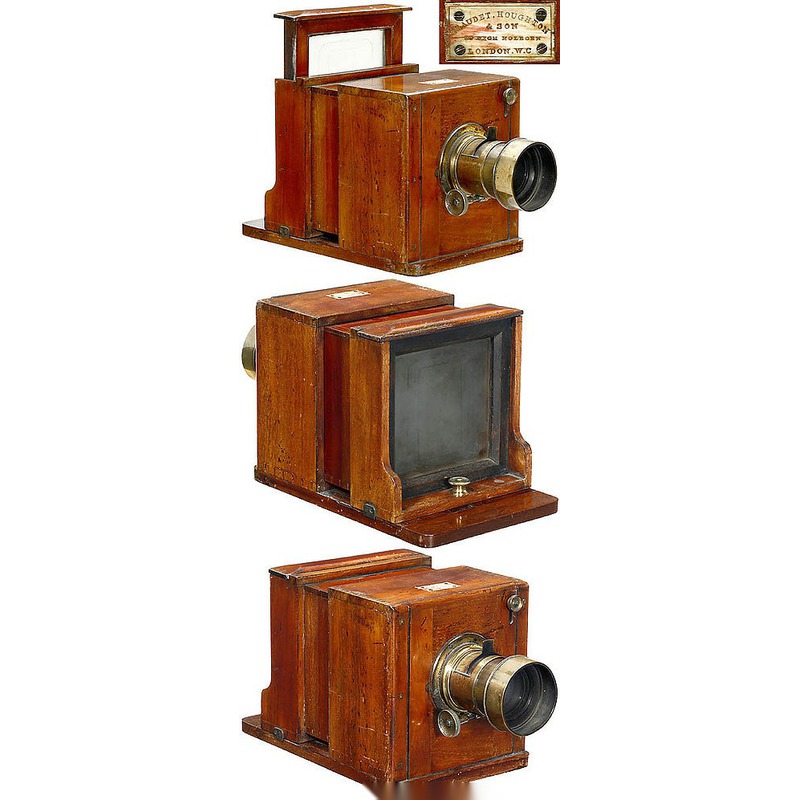
Houghton Daguerreotype Tropical Sliding Box
Houghton · UK · 1845 · 135 film
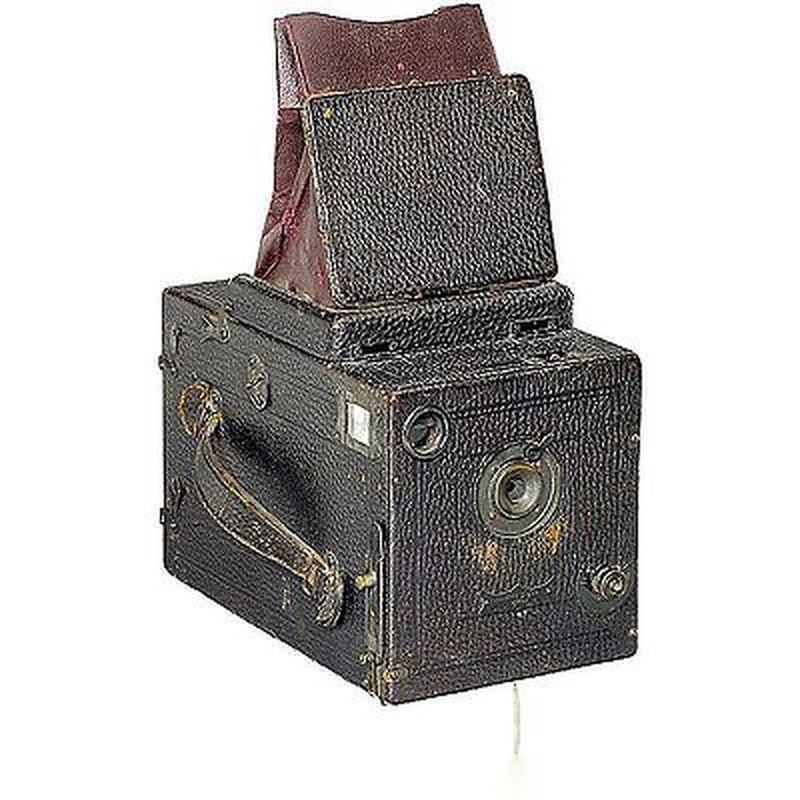
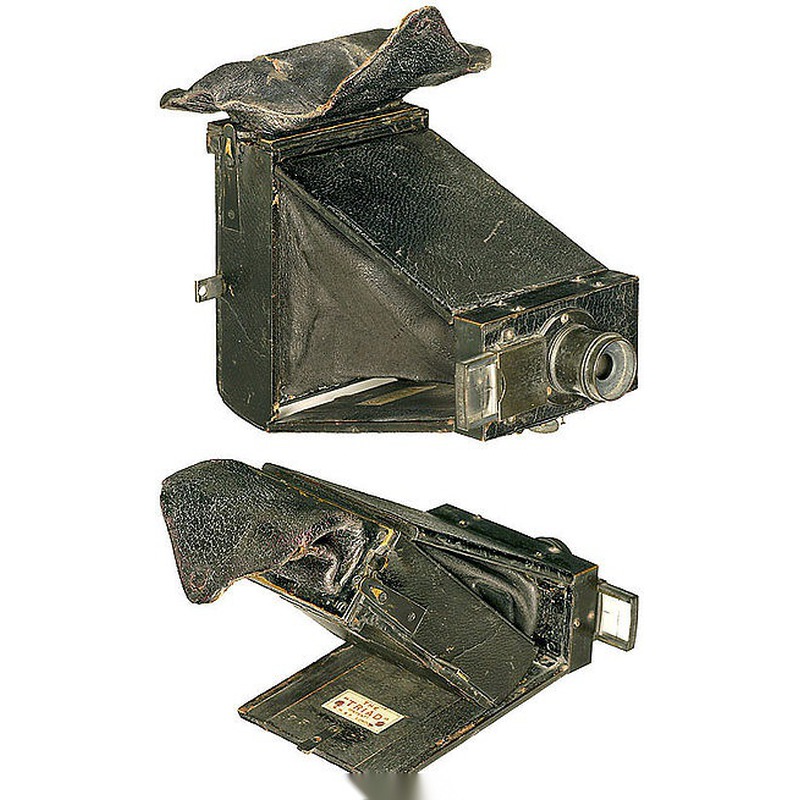
The Daguerreotype Tropical Sliding Box by Houghton represents a significant adaptation of the revolutionary daguerreotype process for challenging environments. Introduced in 1845 by the prominent British optical instrument maker Houghton, this camera catered specifically to the needs of photographers operating in tropical or humid climates. Its key innovation was the sliding box mechanism, designed to allow the photographer to extend or contract the camera body without opening it prematurely. This minimized exposure to air and humidity during the critical exposure and development stages, where condensation and oxidation could easily ruin a delicate silver-plated copper daguerreotype plate, particularly problematic in hot, damp conditions. This robust, functional design reflected the practical evolution required to make early photography viable beyond studio settings.
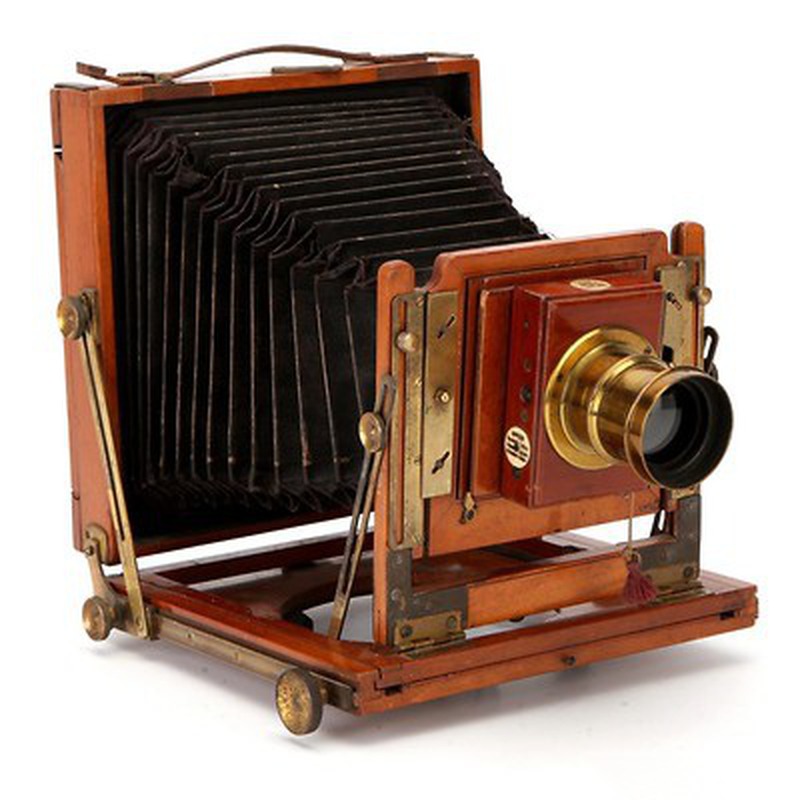
Houghton, known for quality optical products in the 19th century, constructed this model with durable materials typical of the era, likely brass and mahogany, prioritizing stability and protection for the sensitive plate. While sharing the fundamental optical principles of the earlier Daguerreotype apparatus – using a lens to focus an image onto a light-sensitive silver iodide-coated plate – its tropical adaptation addressed a major practical hurdle for early scientific expeditions, colonial documentation, and adventurous photographers. It stands as an important example of the specialized engineering needed to expand the reach of photography in its first decade after its public announcement in 1839, embodying the period's drive to overcome the inherent fragility of the daguerreotype process outside ideal conditions.
Specifications
| Film Format | 135 |
 Enjoy this museum? Support on Ko-fi