Pricing
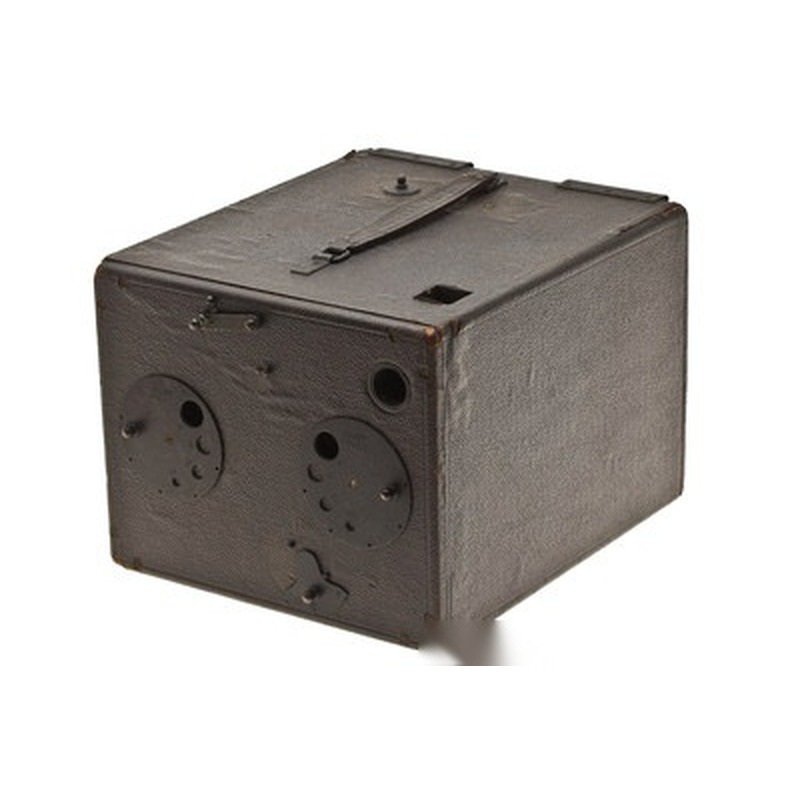
Houghton Stereo Klito
Houghton · UK · 1890 · 135 film
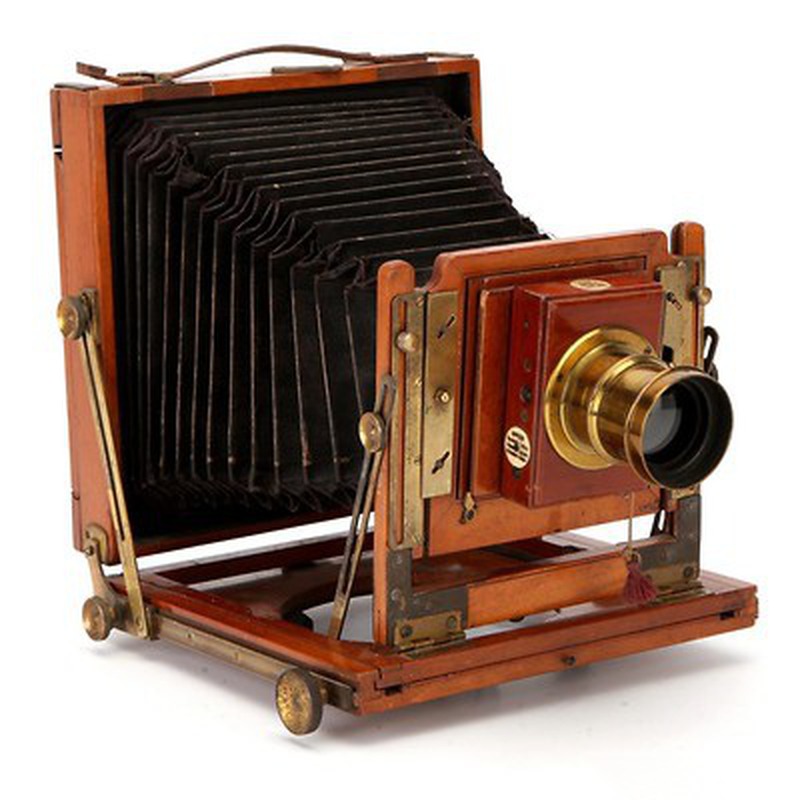
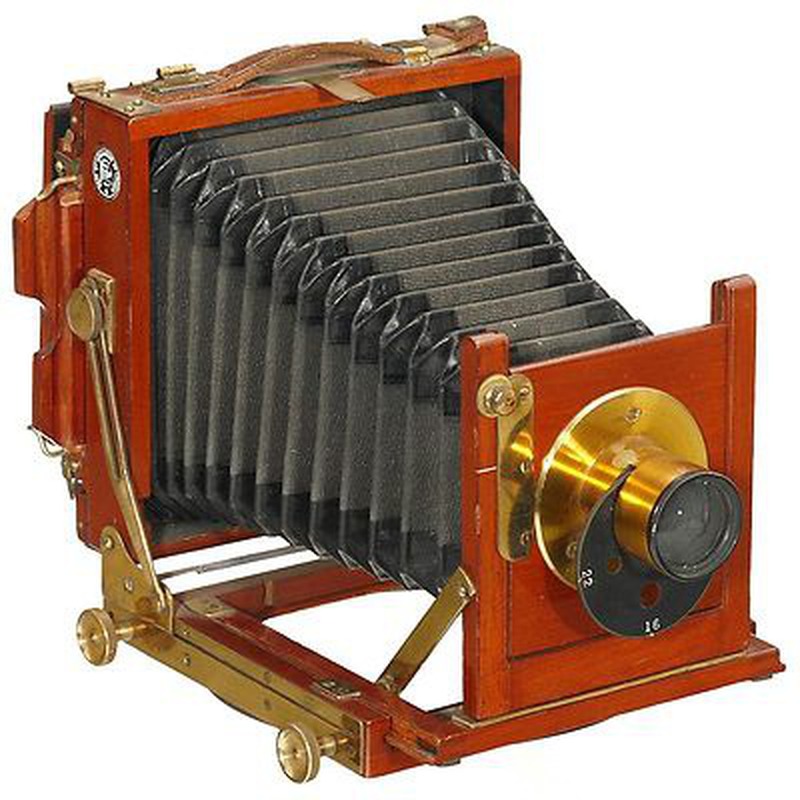
The Stereo Klito introduced by Houghton in 1890 stands as a pioneering example of 35mm photography during a formative period in the medium's development. Emerging over three decades before the popularization of 35mm still cameras, this device represents an early adoption of what would eventually become the world's dominant photographic format. As a stereo camera, it employed paired lenses to capture binocular images that could be viewed three-dimensionally through a stereoscope, a technique gaining scientific and popular interest during the late 19th century. The camera's introduction coincided with significant technological transitions in photography as roll film began replacing glass plates, facilitating more portable imaging solutions.
Manufactured by Houghton, a British optical and photographic equipment company, the Stereo Klito would have been constructed with materials typical of premium cameras of the era, likely featuring brass or metal components with leather covering and wood elements in its body. While specific design details are not documented, stereo cameras required precise lens alignment to create effective 3D images, suggesting a level of manufacturing sophistication beyond basic cameras of the period. The 35mm format, now standardized, would have been experimental in 1890, likely using perforated strips of film rather than the cartridge systems that later became common.
Historically significant as an early example of format reduction, the Stereo Klito preceded cameras like the Leica by several decades, though it achieved none of the latter's commercial recognition or user following. Without documentation of notable photographers who utilized this specific model, its impact remains focused on its technological contributions rather than artistic legacy. Collectors of photographic history value such transitional devices for their role in the evolution of portable photography, even as their specific historical narratives remain less documented than more mainstream cameras from the same period.
Specifications
| Film Format | 135 |
 Enjoy this museum? Support on Ko-fi