Pricing
Houghton Duchess
Houghton · UK · 1900 · 135 film
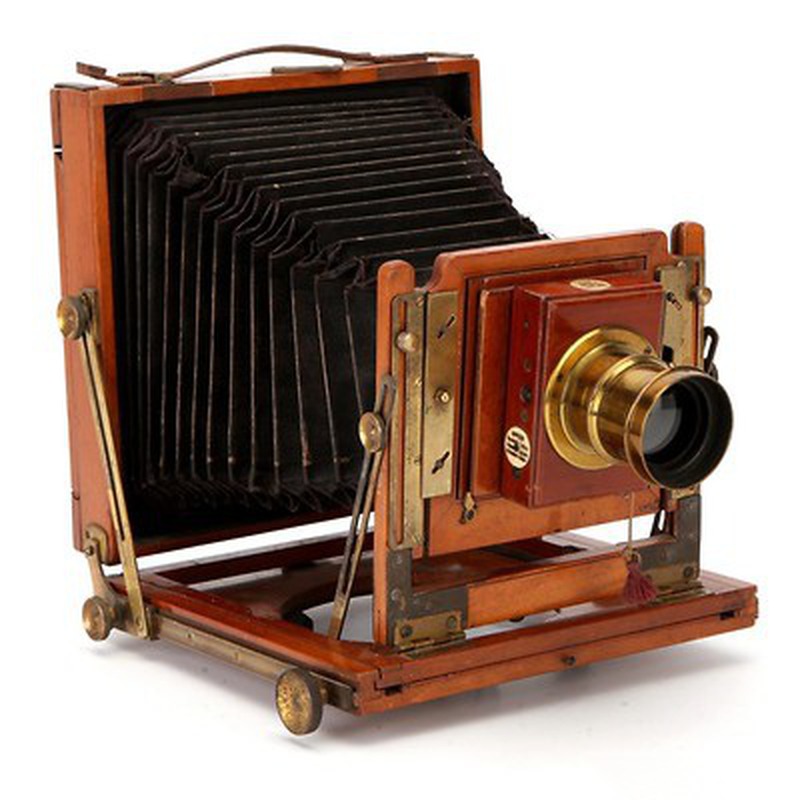
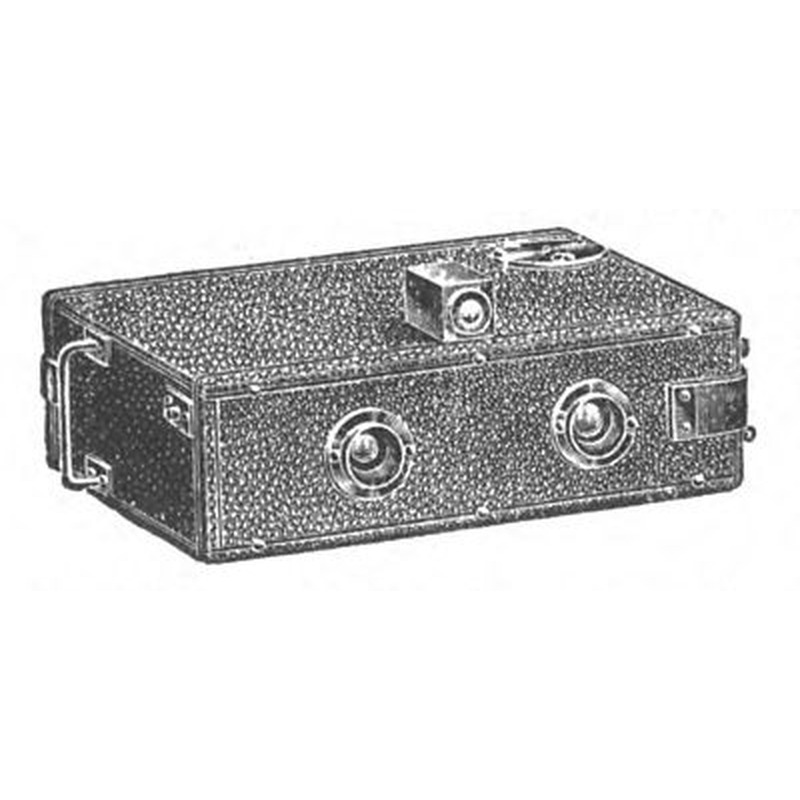
Introduced in 1900 by British manufacturer Houghton, the Duchess represents an early and ambitious attempt to establish the 35mm format for roll-film photography. Predating the landmark Leica I by a quarter-century, the Duchess utilized narrow 35mm movie film, which Houghton presumably slit and perforated, housed in proprietary cassettes. This innovation aimed to provide a portable alternative to bulky glass plates and larger roll films, targeting photographers seeking greater convenience and smaller equipment. While its exact design remains obscure – likely a simple box or folding camera body made from wood and brass – the Duchess's core significance lies in its role as a tangible precursor to the 35mm revolution that would dominate amateur and professional photography decades later. Its introduction underscores the intense late-19th and early-20th-century experimentation with smaller formats, driven by the parallel development of motion picture film.
The Duchess's legacy is primarily historical rather than influential in practice. As an early entrant into a format that hadn't yet found its legs or standardized infrastructure, its commercial impact was likely limited. It embodies the technical curiosity and risk-taking of the era but lacks the widespread adoption or design refinement that would cement its importance like later milestones. Its survival today serves as a tangible artifact of this formative period in camera miniaturization, highlighting the challenges and potential of utilizing 35mm film still primarily associated with cinema at the time. It stands as a significant, though ultimately overshadowed, chapter in the evolution of portable photographic equipment.
Specifications
| Film Format | 135 |
/main.jpg)
/main.jpg)
 Enjoy this museum? Support on Ko-fi