/main.jpg)
Pricing
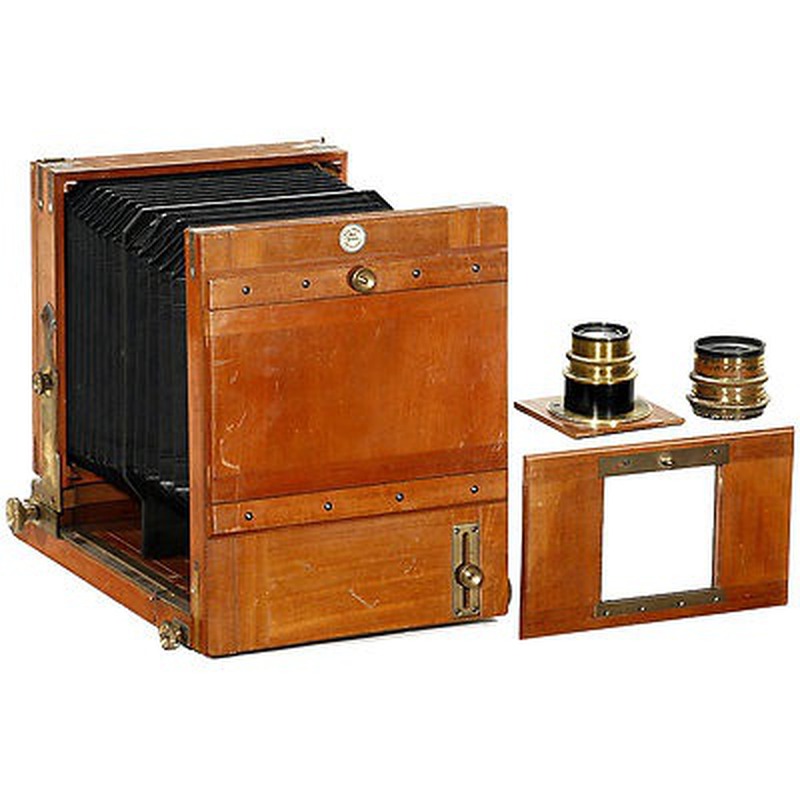
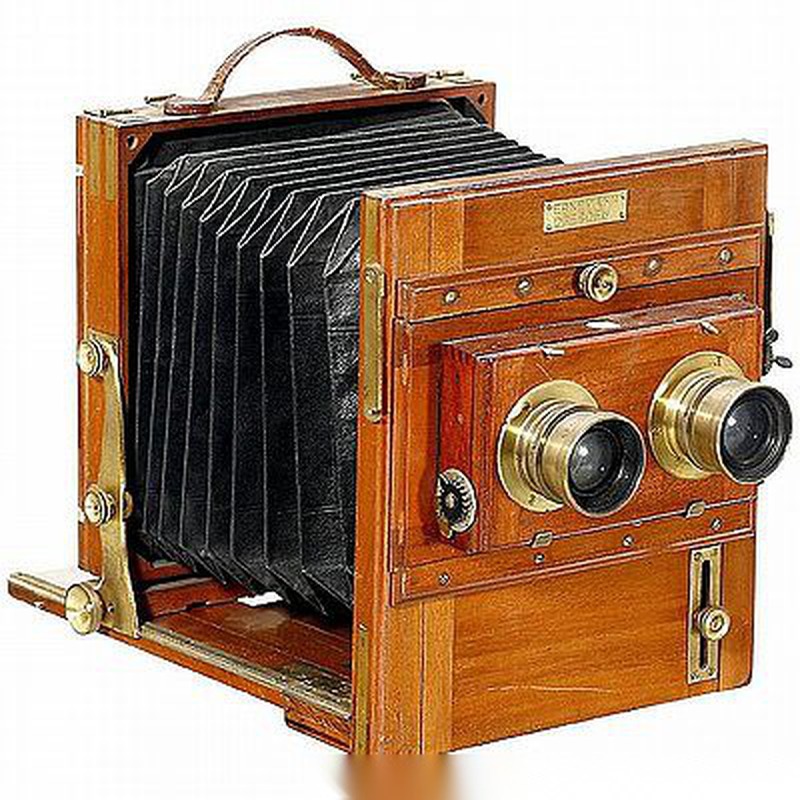
Ernemann Tropen Klapp-Camera (1911)
Ernemann · Germany · 1911–1920 (9 years) · 135 film
The Tropen Klapp-Camera represents an early and practical application of 35mm film in still photography by the German manufacturer Ernemann during the formative years of the 20th century. Produced from 1911 until the company's integration into Zeiss-Ikon in 1920, this folding camera utilized the 35mm perforated film originally developed for motion pictures, adapting it for a compact and portable format aimed at amateurs and potentially travelers, as suggested by its name ("Tropen" implying tropical or rugged suitability). Its core design centered on a bellows-style construction that folded neatly for carrying, making it significantly more portable than contemporary plate or roll-film cameras. While lacking the groundbreaking engineering of later iconic models, the Tropen Klapp-Camera provided accessible quality and convenience, embodying the shift towards smaller formats that would eventually dominate photography. It represents Ernemann's contribution to the crucial early development phase of 35mm equipment before Leica cemented the format's dominance a few years later.
Key features included a simple but effective lens shutter system, typically offering basic speed settings suited for daylight shooting, and a coupled or uncoupled rangefinder for focusing, depending on the specific variant. The use of 35mm film spools, loading via a removable magazine, allowed for 12 or more exposures per roll, a significant advantage over the fewer shots common with earlier small formats. Its construction utilized standard materials for the era: brass components, leather covering, and wood for the body core, designed for robustness rather than extreme lightness. While not revolutionary in its technical specifications, the Tropen Klapp-Camera holds historical importance as a functional, mass-produced example of the 35mm format's earliest adoption in still cameras, illustrating the practical steps taken between the experimental phase and the landmark introduction of the Leica I in 1925.
Specifications
| Film Format | 135 |
/main.jpg)
/main.jpg)
/main.jpg)
/main.jpg)
 Enjoy this museum? Support on Ko-fi