/main.jpg)
Pricing
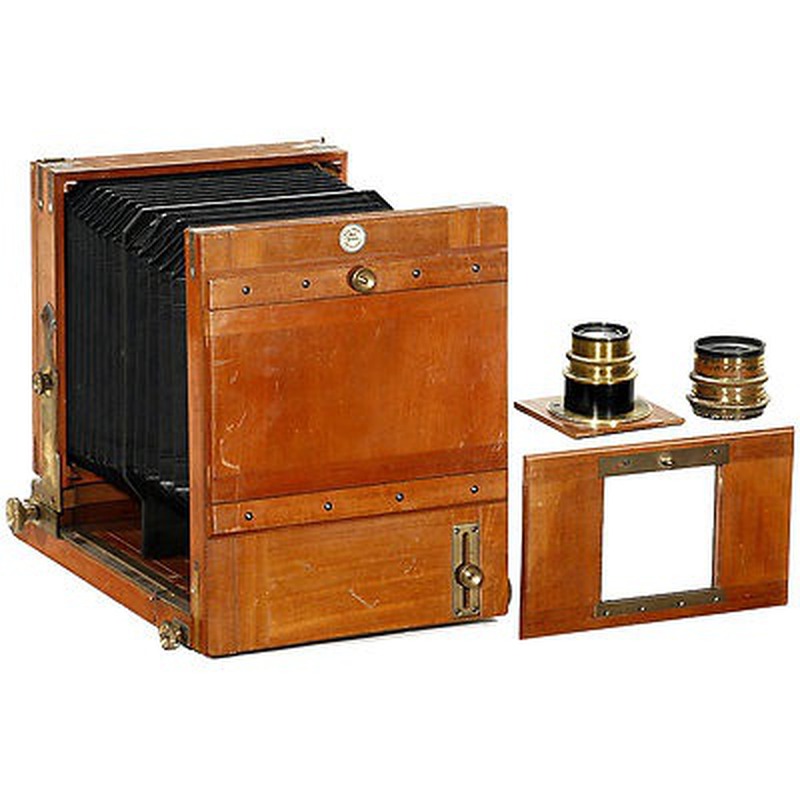
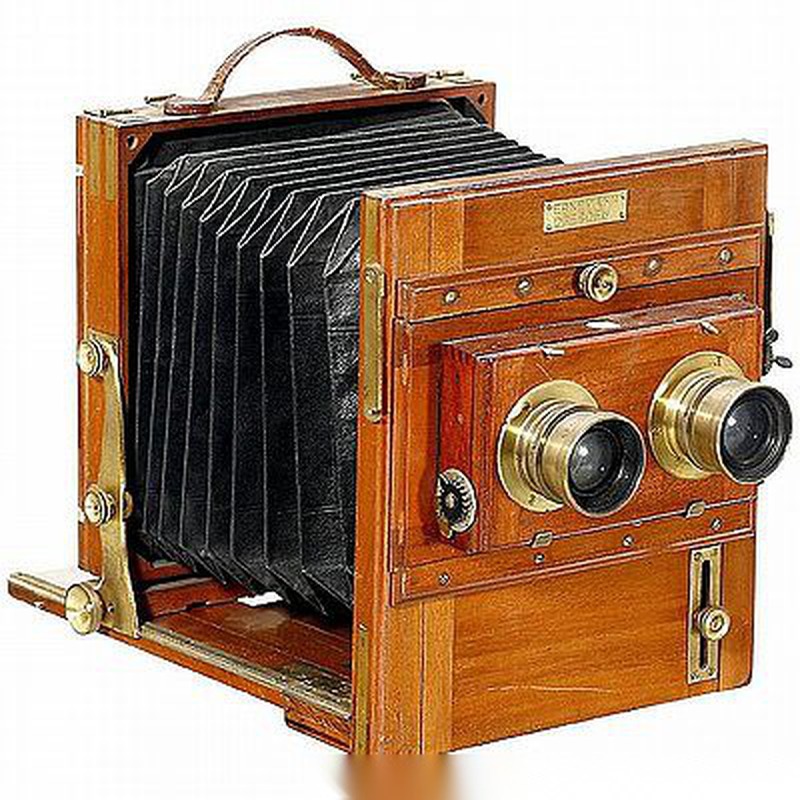
Ernemann Klapp-Camera (1911)
Ernemann · Germany · 1911–1920 (9 years) · 135 film
Produced by Ernemann from 1911 to 1920, the Klapp-Camera represents a significant early attempt at utilizing the 135 format (35mm) in a practical camera design. Its name, translating to "folding camera," indicates a collapsible body, likely making it relatively portable for its time. As one of the earliest cameras to adopt this film format, it occupied an important niche during the transitional period before the 35mm format gained widespread dominance with later iconic models. The camera would have featured the key innovations of using standard 35mm perforated motion picture film, potentially in cassettes or spools, and employing a focal plane shutter typical for cameras of its type and era, offering faster shutter speeds than contemporary plate or rollfilm cameras. Ernemann, a reputable German manufacturer known for quality optical equipment prior to its merger into Zeiss-Ikon, lends credibility to the design, though specific features like lens options and viewfinder details are less documented.
The Klapp-Camera stands as a testament to the experimentation and technological groundwork laid before the Leica's commercial success. Its production span nearly a decade, suggesting a stable market for compact, high-quality photography solutions among enthusiasts and professionals seeking alternatives to larger formats. While it did not achieve the legendary status of the Ur-Leica (introduced in 1925), it demonstrates Ernemann's early commitment to the future of 35mm photography, showcasing a practical folding design that facilitated the portability that would later become synonymous with the format. It holds a place as an important historical artifact, illustrating the rapid evolution of small-format photography in the early 20th century.
Specifications
| Film Format | 135 |
/main.jpg)
/main.jpg)
/main.jpg)
/main.jpg)
 Enjoy this museum? Support on Ko-fi