Pricing
Ernemann Globus L
Ernemann · Germany · 1911–1913 (2 years) · 135 film
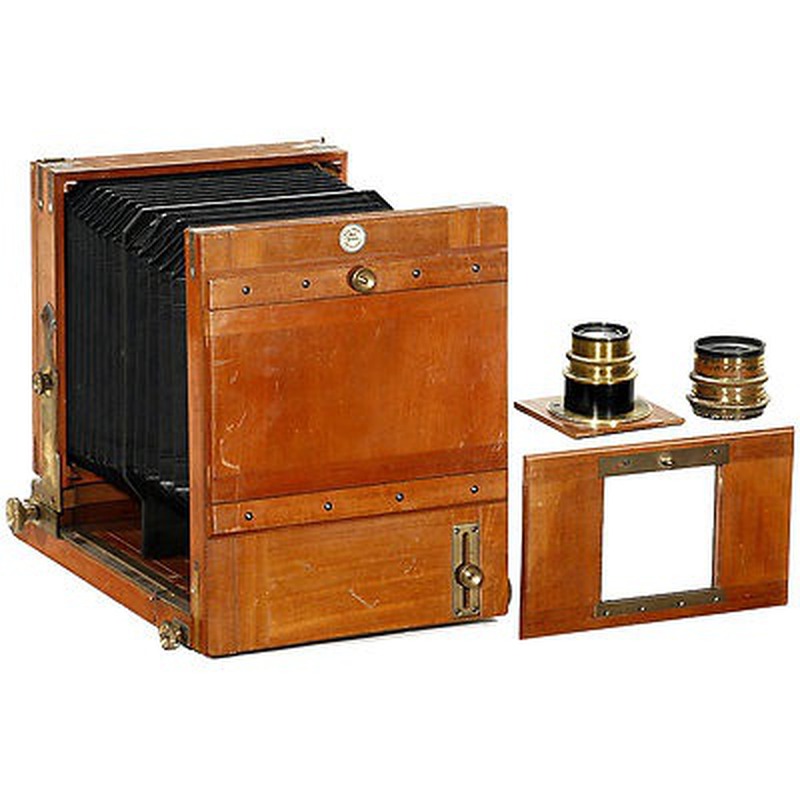
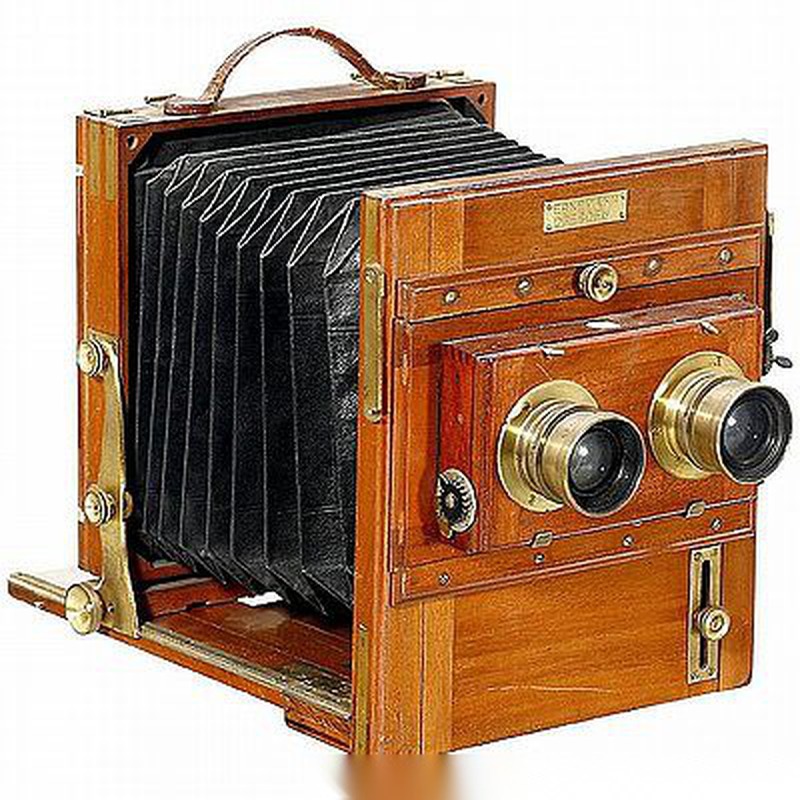
The Globus L was an early 35mm camera produced by Ernemann between 1911 and 1913, utilizing the 135 format. It represented a significant step towards smaller, more portable cameras compared to the large plate and roll-film formats dominant at the time. While utilizing the same 35mm film width that would later become standard, the Globus L was not a pioneering design in the same vein as the later Leica I, nor did it achieve widespread fame or adoption. Its construction was typical of high-quality European cameras of the era, likely featuring a compact body with a focusing lens shutter and a roll-film back adapted for the then-new 35mm cine stock.
Its historical importance lies primarily as an early example of a still camera utilizing the 35mm format for amateur photography, predating the Leica's commercial success by over a decade. However, without documented major innovations, famous photographers, or widespread cultural impact, the Globus L remains a notable but lesser-known example of Ernemann's engineering during a transitional period in photography. Its design likely prioritized compactness and the use of affordable 35mm film over groundbreaking features.
Specifications
| Film Format | 135 |
/main.jpg)
/main.jpg)
/main.jpg)
/main.jpg)
/main.jpg)
 Enjoy this museum? Support on Ko-fi