/main.jpg)
Pricing
Ernemann Dove Stereoscop (Stereobox)
Ernemann · Germany · 1901–1907 (6 years) · 135 film
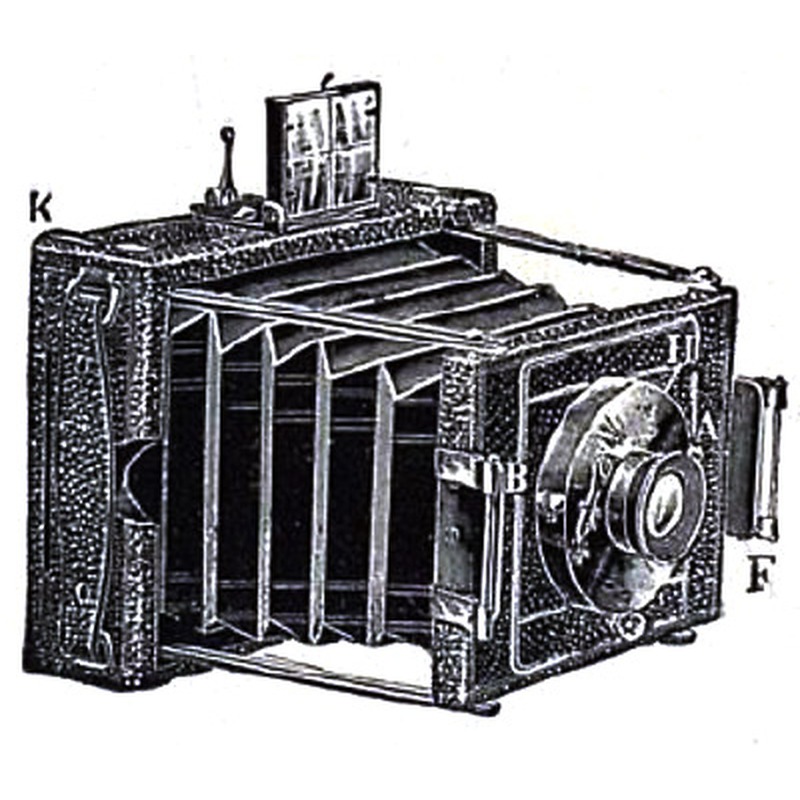
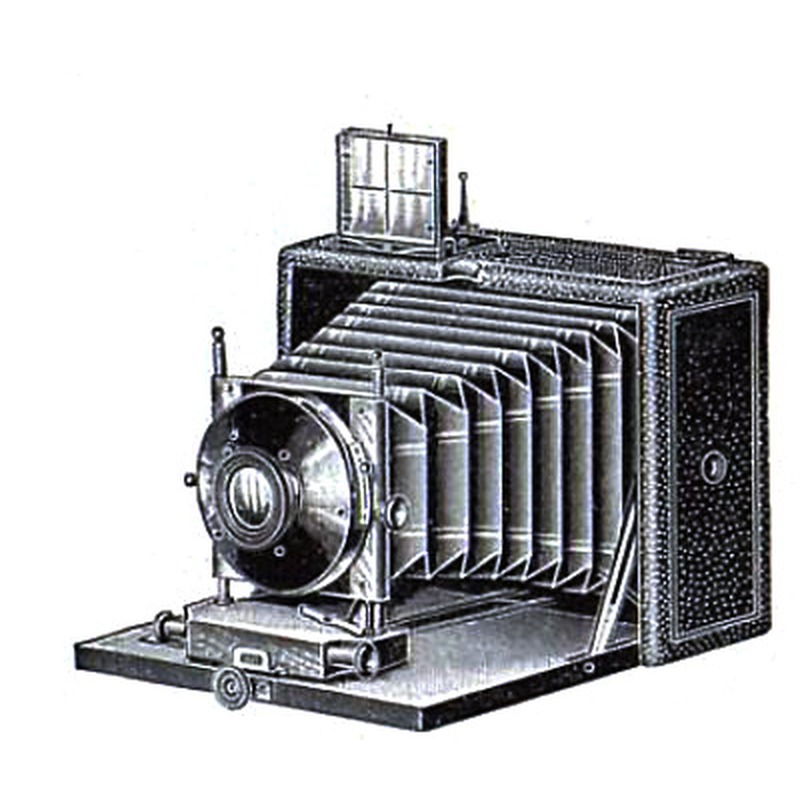
The Dove Stereoscop (Stereobox) was a specialized stereoscopic camera manufactured by Ernemann between 1901 and 1907, notable for its early use of 135 format film at a time when this format was primarily associated with motion picture rather than still photography. As a stereoscopic camera, it was designed to capture two slightly offset images that, when viewed through a stereoscope, would create a three-dimensional effect—a popular photographic technique in the late Victorian and early Edwardian eras. The camera would have featured two lenses positioned at a similar distance to human eyes, allowing simultaneous exposure of two frames on the same roll of film.
While not as revolutionary as later cameras that established the 35mm format for still photography, the Dove Stereoscop represents an interesting transitional period when manufacturers were experimenting with smaller formats and specialized applications. Ernemann, based in Dresden, Germany, was a respected camera company that would later be merged into Zeiss Ikon in 1926. The stereoscopic design suggests this was likely a mid-range to high-end product for its time, appealing to enthusiasts of three-dimensional imaging who wanted to capture scenes with depth perception before the widespread adoption of 3D technologies in later decades.
Specifications
| Film Format | 135 |
/main.jpg)
/main.jpg)
/main.jpg)
 Enjoy this museum? Support on Ko-fi