/main.jpg)
Pricing
Ernemann Bob I (horizontal)
Ernemann · Germany · 1902–1907 (5 years) · 135 film
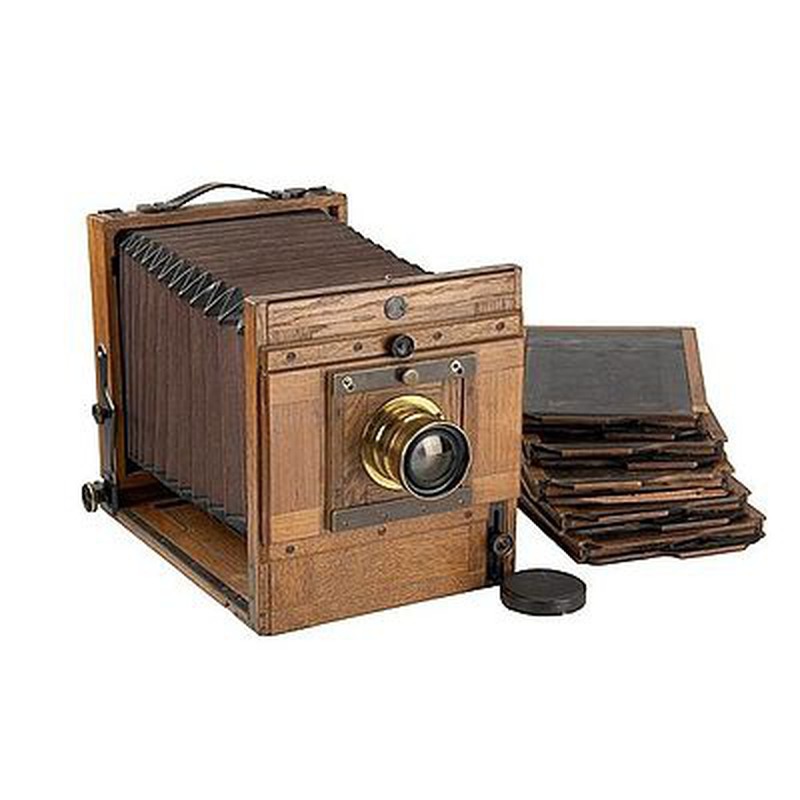
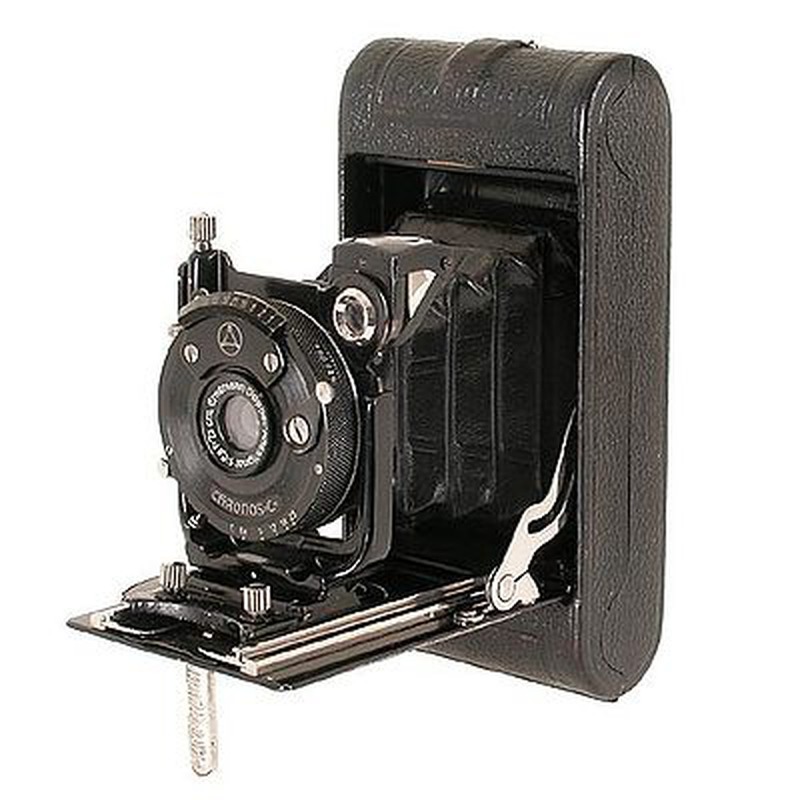
Produced by the German company Ernemann between 1902 and 1907, the Bob I (horizontal) represents an early experiment in utilizing small-format film for photography. As a camera utilizing the later standardized 135 format, it emerged prior to the landmark 1925 introduction of the Leica I, placing it among the pioneers attempting to harness the advantages of miniature film portability. The "horizontal" designation likely refers to its orientation, perhaps indicating a specific body design or film path layout common for its era. Ernemann was a well-regarded optical manufacturer, suggesting the Bob I incorporated respectable German engineering of its time, though specific features like lens or shutter details remain undocumented. It aimed to offer a more compact alternative to larger plate or roll-film cameras of the period, foreshadowing the shift towards smaller, more convenient photographic equipment that would gain significant momentum in the following decades.
The Bob I's significance lies primarily in its timing and format choice within Ernemann's product line. It existed as a contemporary to other nascent small-format experiments but predates the widespread adoption and standardization of 35mm photography by Leica. While not achieving the legendary status of later models, it holds a place in the chronology of camera development as a tangible example of early 35mm camera construction. Its production span of five years suggests a degree of market presence and technical refinement for its type, yet it did not attain the breakthrough status or sustained influence that defined truly iconic cameras of the early 20th century. Its legacy is one of an interesting early attempt within the evolution towards the dominant 35mm format, rather than a device that reshaped photographic practice itself.
Specifications
| Film Format | 135 |
/main.jpg)

/main.jpg)

 Enjoy this museum? Support on Ko-fi