Pricing
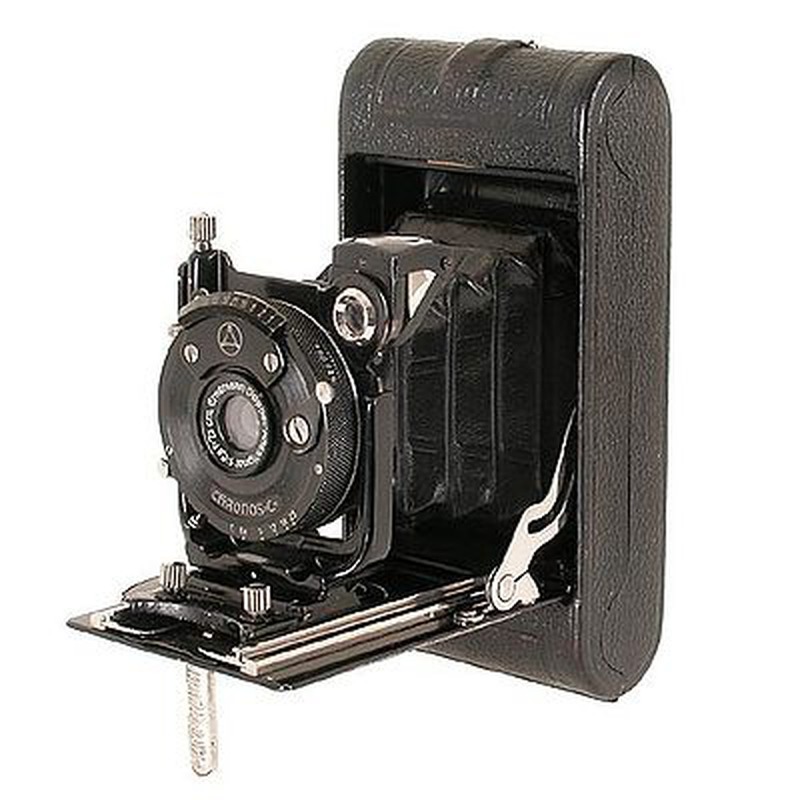
Ernemann Globus A Model I
Ernemann · Germany · 1902–1914 (12 years) · 135 film
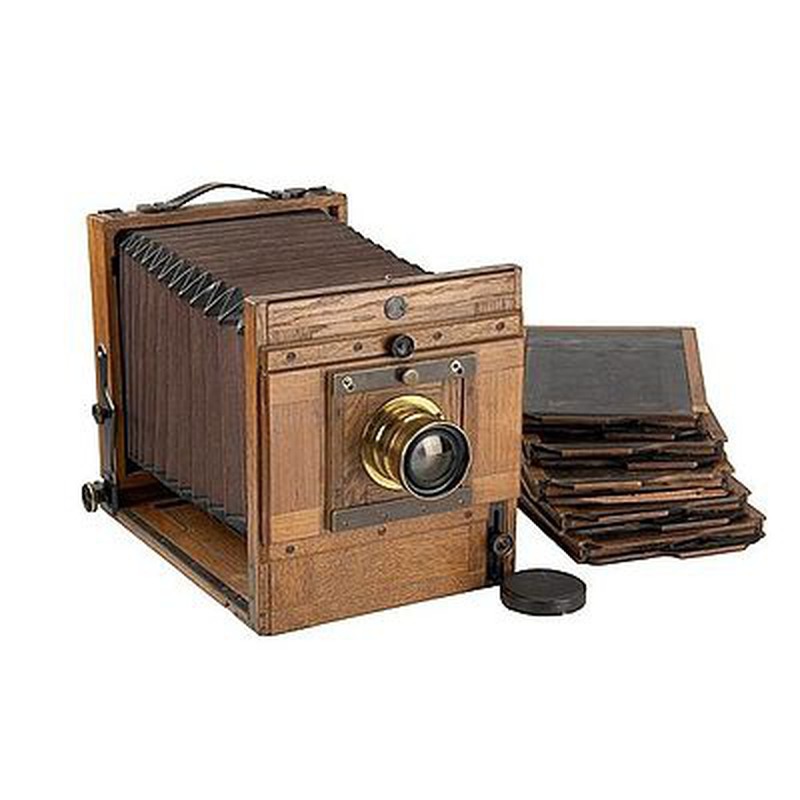
The Globus A Model I represents an interesting early attempt at a 35mm still camera during a transitional period in photography. Produced by the German manufacturer Ernemann between 1902 and 1914, this camera predates the famous Leica I (1925) by over a decade, placing it among the pioneering efforts to adapt the 35mm motion picture film format for still photography. During this era, most cameras used larger formats like 120 or 8x10 plates, making the Globus A Model I a compact and relatively innovative option for its time. Ernemann, founded in 1889 and later merged into Zeiss-Ikon in 1926, was a reputable manufacturer known for quality optics, and the Globus series likely represented an entry-level or experimental line for the company. As an early 35mm camera, it would have appealed to enthusiasts and professionals seeking more portable equipment than what was generally available, though it likely lacked the sophisticated design and manufacturing quality that would later make 35mm cameras dominant in the photography market.
The camera's basic design would have been functional rather than revolutionary, utilizing the 135 film format that would eventually become standard for 35mm photography. While specific technical details are not widely documented, Ernemann's expertise in optical systems suggests the camera would have featured a decent lens and shutter for its era. The production span of 12 years indicates a certain level of commercial success, though the camera's significance in the broader history of photography is limited as it did not introduce major technological innovations that influenced subsequent camera development. The Globus A Model I stands more as a historical curiosity representing the early experimentation with smaller formats that would eventually transform photography in the 20th century.
Specifications
| Film Format | 135 |
/main.jpg)
/main.jpg)

/main.jpg)

 Enjoy this museum? Support on Ko-fi