Pricing
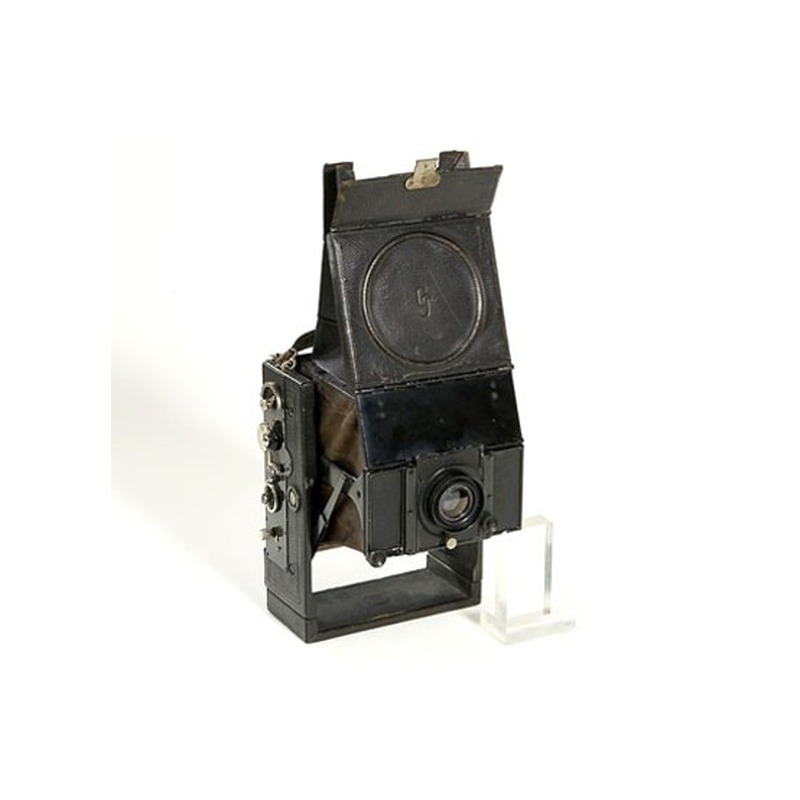
Goerz Flieger
Goerz · Germany · 1910–1915 (5 years) · 135 film
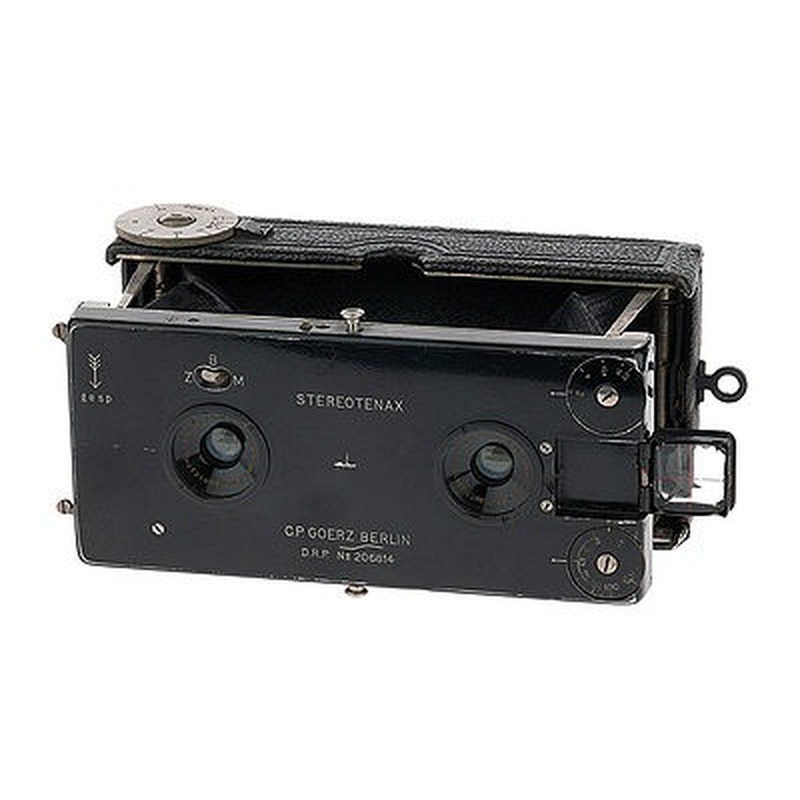
Produced by the esteemed German optics firm Goerz between 1910 and 1915, the Flieger holds a significant place as one of the earliest known cameras to utilize the 135 (35mm) film format. Its emergence predates the commercially successful Leica by roughly a decade, marking it as a pioneering, albeit less documented, effort in adapting this small, perforated film strip, originally developed for motion picture, for still photography. The very name "Flieger," meaning "aviator" in German, strongly suggests an intended connection to aviation, a context where compactness, lightweight construction, and potentially ruggedness would be paramount, aligning with the burgeoning field of aerial reconnaissance during the early 1910s. While specific design details are scarce in the provided information, Flieger cameras from this period are known to be typically compact box or folding plate cameras, likely employing Goerz's renowned high-quality lenses to maximize the potential of the smaller negative size. Surviving examples are rare, making the Flieger a tangible artifact from a formative era of miniature photography that directly influenced the course of 35mm development, even if its own commercial impact was limited.
Specifications
| Film Format | 135 |
/main.jpg)
_(4x6.5)/main.jpg)
 Enjoy this museum? Support on Ko-fi