_(4x6.5)/main.jpg)
Pricing
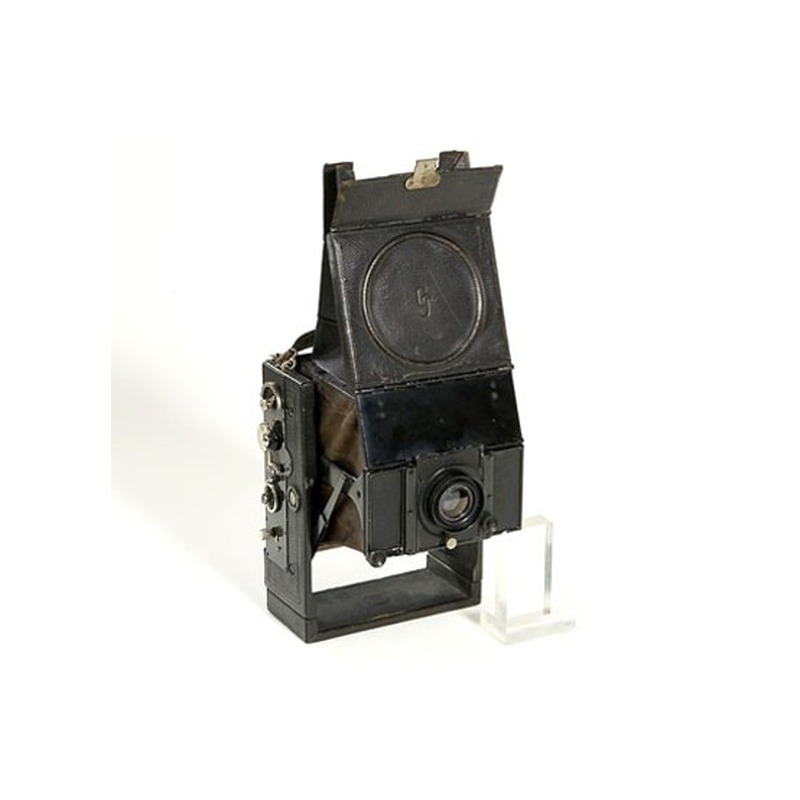
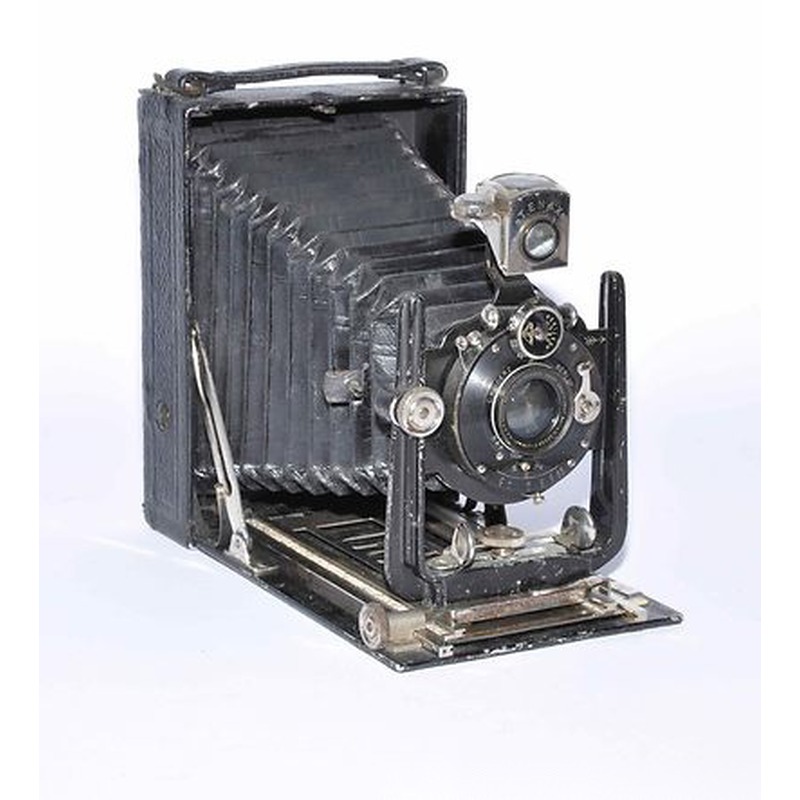
Goerz Roll-Tenax (Rollfilm-Tenax) (4x6.5)
Goerz · Germany · 1909–1922 (13 years) · 135 film
The Roll-Tenax, introduced by Carl Paul Goerz AG in Berlin in 1909, represents a significant early attempt at creating a compact yet high-quality camera before the era of miniature photography truly began. This folding plate camera was ingeniously adapted for 127 format film, producing 4x6.5cm negatives that offered photographers a portable alternative to larger plate and rollfilm cameras without sacrificing image quality. Its design incorporated advanced features for its time, including a coupled rangefinder for precise focusing—a significant technological achievement—and a high-quality lens system that reflected Goerz's reputation as a premier German optical manufacturer.
Though innovative for its era, the Roll-Tenax occupied an interesting transitional space in photographic history, serving as a bridge between traditional large-format cameras and the miniature cameras that would soon dominate the market. Its 127 format delivered negatives larger than the eventual 35mm standard while maintaining a much more compact form than contemporary rollfilm cameras. However, despite its engineering excellence, the camera faced challenges from established formats and was ultimately overshadowed by Leica's revolutionary 35mm system after the Roll-Tenax's production ended in 1922. Today, surviving examples are sought after by collectors for their early design sophistication and their position in the pre-Leica era of photographic experimentation.
Specifications
| Film Format | 135 |

/main.jpg)
/main.jpg)
 Enjoy this museum? Support on Ko-fi