Pricing
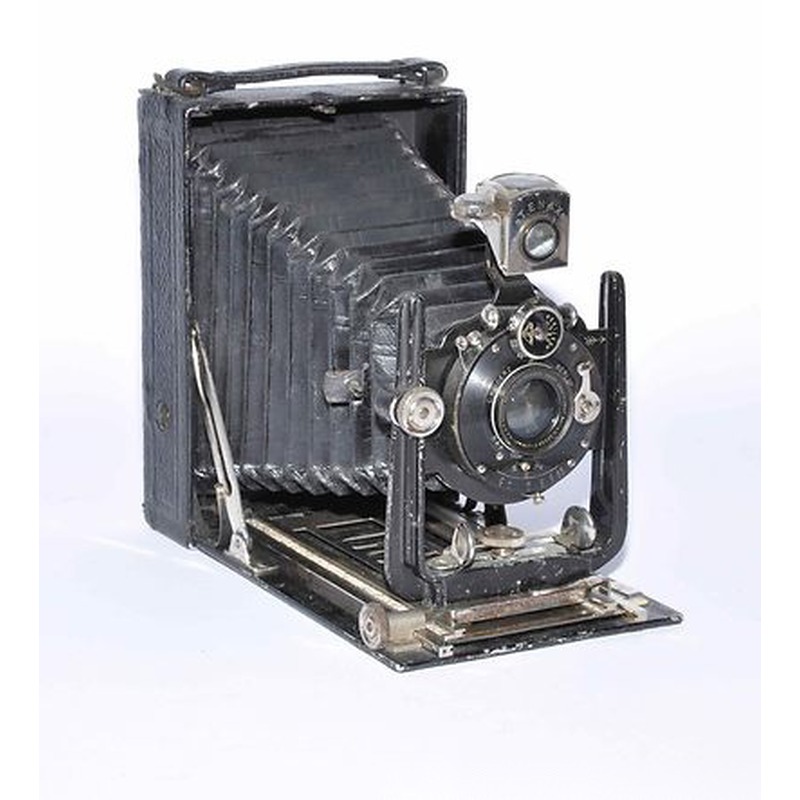
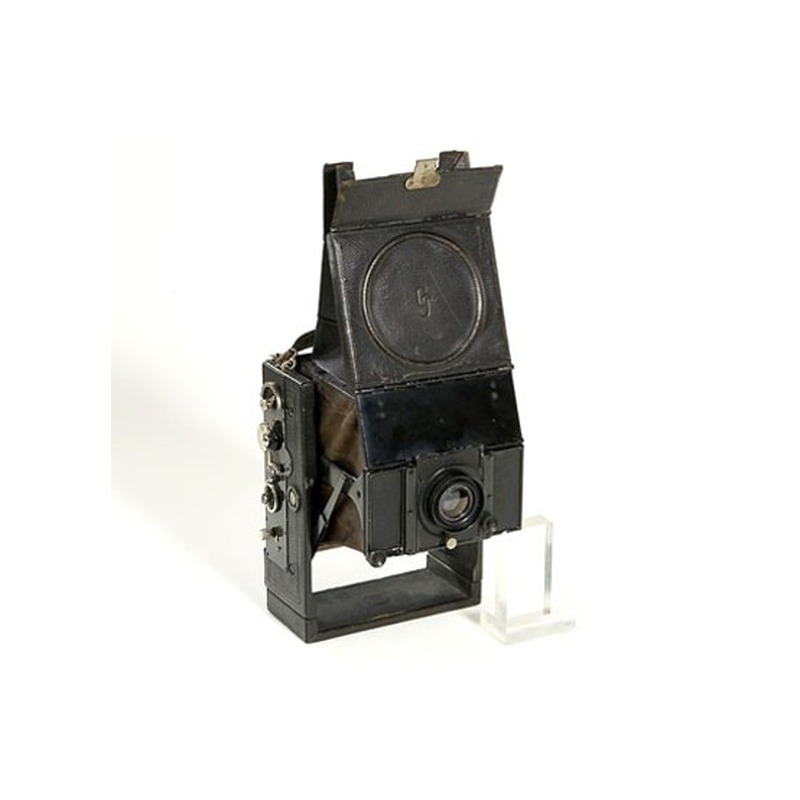
Goerz Manufoc-Tenax
Goerz · Germany · 1908–1926 (18 years) · 135 film
Produced by the renowned German optical firm Goerz between 1908 and 1926, the Manufoc-Tenax holds a place among the earliest commercially available 35mm cameras, predating the more famous Leica by several years. It utilized the then-novel 35mm perforated cine film, loaded into special cassettes, enabling a compact format and a significant number of exposures per roll. While its specific type (e.g., rangefinder, viewfinder) remains unspecified in available records, the Manufoc-Tenax was marketed towards professional users, likely including photographers in fields like aerial reconnaissance or scientific documentation where its portability and efficiency were advantageous. Goerz, a leader in high-quality lenses, likely incorporated sharp optics into the camera, aligning with the company's reputation for precision. Its production span nearly two decades, indicating a stable, functional design that met the needs of a specific niche market before the 35mm format gained broader mainstream traction with the introduction of cameras like the Leica I in 1925.
The Manufoc-Tenax represents a crucial, albeit transitional, step in the evolution of 35mm photography. It demonstrated the viability of 35mm film for still photography beyond its origin in cinematography, paving the way for the smaller, more accessible cameras that would dominate the market later. Its enduring production run suggests a solid build quality and reliability valued by professionals of its era, even if it lacks the widespread cultural impact or groundbreaking technical innovations of cameras that defined subsequent eras. It serves as a significant artifact documenting the early practical application and refinement of the 35mm format as a serious photographic tool.
Specifications
| Film Format | 135 |
/main.jpg)
_(4x6.5)/main.jpg)

/main.jpg)
 Enjoy this museum? Support on Ko-fi