Pricing
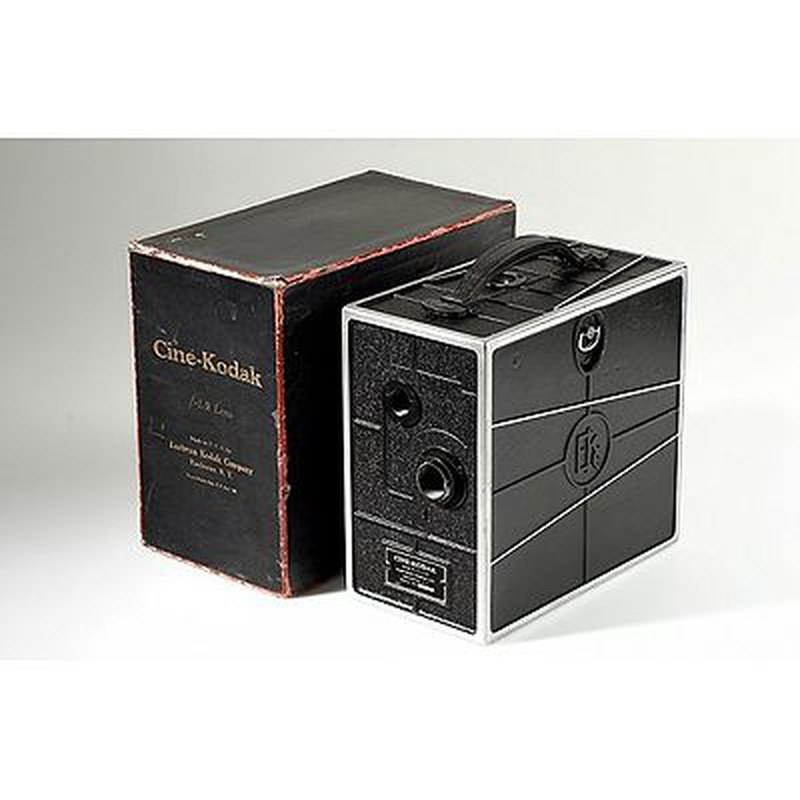
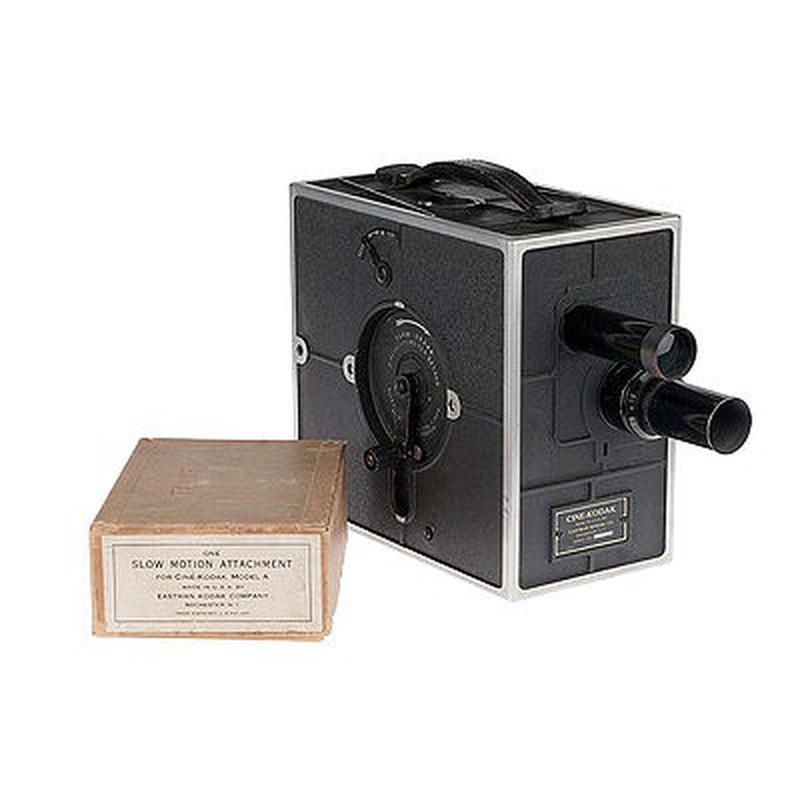
Kodak Cine-Kodak
Kodak · USA · 1923 · 135 film
The Cine-Kodak introduced by Kodak in 1923 was a significant entry into the emerging amateur 35mm motion picture camera market. Building on Kodak's dominance in roll film photography and the recent success of the 35mm format for still cameras like the Leica, this model aimed to bring compact movie-making capabilities to enthusiasts. It utilized standard 35mm motion picture film spooled into daylight-loading cassettes, a crucial innovation that simplified handling compared to the earlier spooled film systems. Designed for portability, it featured a simple, robust body construction typical of Kodak consumer products of the era, often with fixed lenses and basic controls suitable for hobbyist filmmakers capturing home movies or amateur documentaries. Its introduction helped establish 35mm as a viable format beyond professional cinematography, contributing to the foundation for later still camera developments.
While not a groundbreaking design like the concurrent Leica I, the Cine-Kodak holds importance as Kodak's dedicated first effort in the amateur cine market. It represented a strategic move by the company to diversify into new formats alongside its established still camera and roll film businesses. Its core significance lies in popularizing daylight-loading 35mm film for personal movie making, paving the way for more sophisticated amateur cine cameras and ultimately influencing the adoption of 35mm for still photography. It exemplifies the era's transition towards smaller, more portable photographic formats for non-professional users.
Specifications
| Film Format | 135 |
 Enjoy this museum? Support on Ko-fi