Pricing
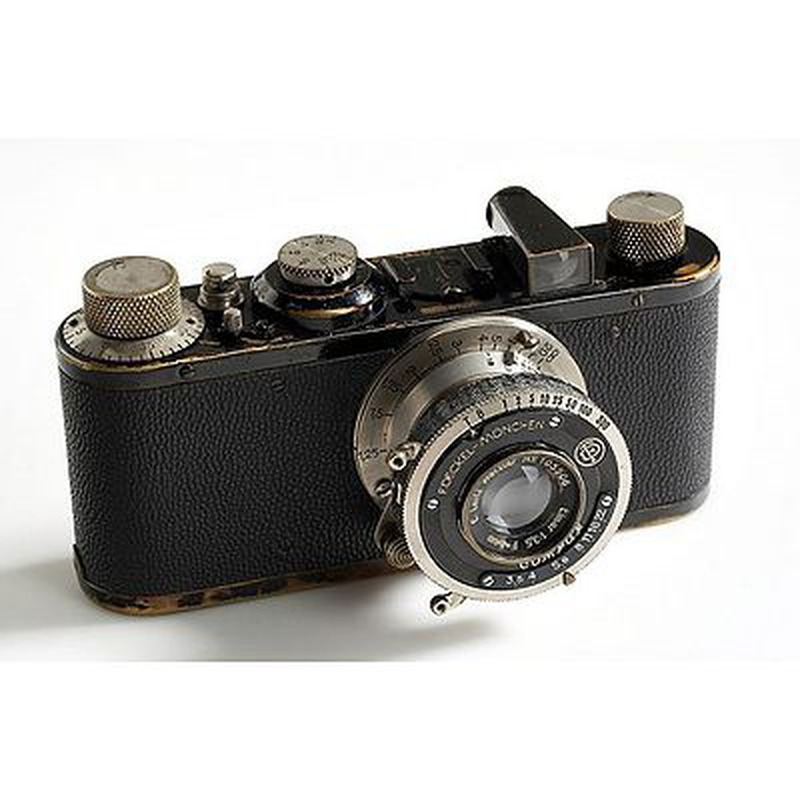
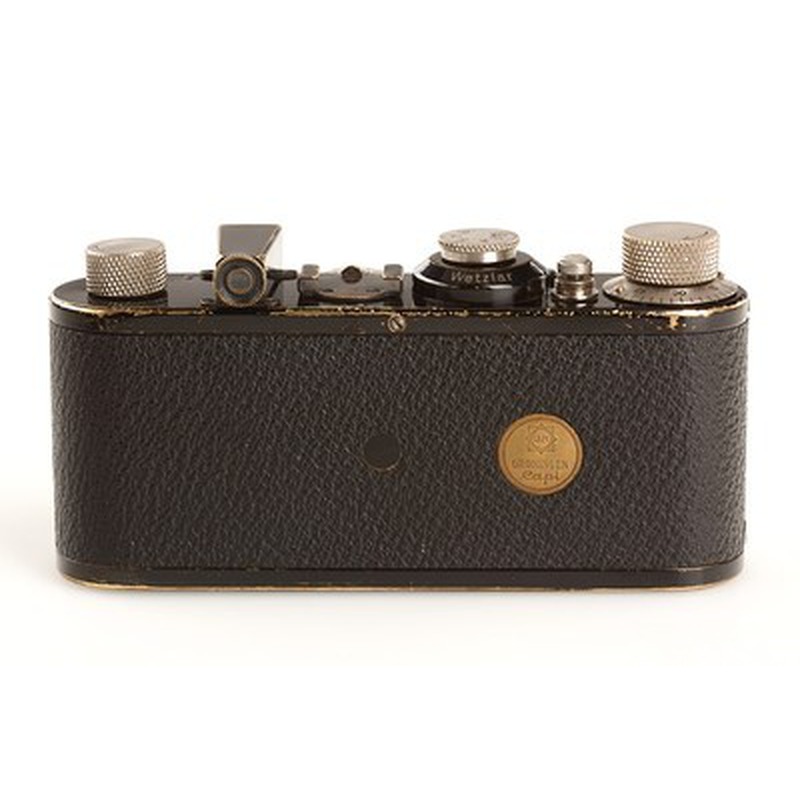
Leica I Mod C with Compur Elmar
Leica · Germany · 1930 · 135 film
Introduced in 1930, the Leica I Mod C with Compur Elmar represents a significant refinement in the evolution of Leica's groundbreaking 35mm camera system. As a variant of the original Leica I Model A and B, the Mod C integrated Leica's pioneering miniaturized 35mm format into a highly portable and robust body, effectively launching the era of the miniature camera for serious photography. Its most crucial feature was the adoption of the Compur central shutter, replacing the earlier focal-plane shutters on earlier Leica models. This provided much greater precision in exposure control and significantly faster flash synchronization, making the camera far more versatile and practical for a wider range of photographic situations, including studio and action work. The integration of the legendary Elmar f/3.5 lens, known for its sharpness and compact design, solidified this model's reputation for delivering high-quality images from a remarkably small camera body. Its design, featuring a coupled rangefinder for accurate focusing and a simplified but robust build, cemented Leica's dominance in the emerging 35mm market and became a tool favored by influential photojournalists and documentarians seeking discretion and mobility.
The Leica I Mod C with Compur Elmar was instrumental in validating the 35mm format for professional use. Its compact size, coupled with reliable mechanical operation and superior image quality achieved via the Elmar lens, revolutionized documentary and candid photography. It provided photographers with unprecedented mobility and discretion compared to larger plate and roll-film cameras. This model, building on the foundation laid by the earlier Leica I models, demonstrated that 35mm was not merely a novelty but a viable and superior format for many applications. It paved the way for the rapid development of 35mm photography throughout the 1930s and beyond, influencing camera design worldwide and establishing Leica as an enduring symbol of photographic excellence. Its historical importance lies in being a key stepping stone towards the modern 35mm system camera, embodying the transition towards smaller formats that defined 20th-century photography.
Specifications
| Film Format | 135 |
/main.jpg)
/main.jpg)
/main.jpg)
/main.jpg)
/main.jpg)
 Enjoy this museum? Support on Ko-fi