/main.jpg)
Pricing
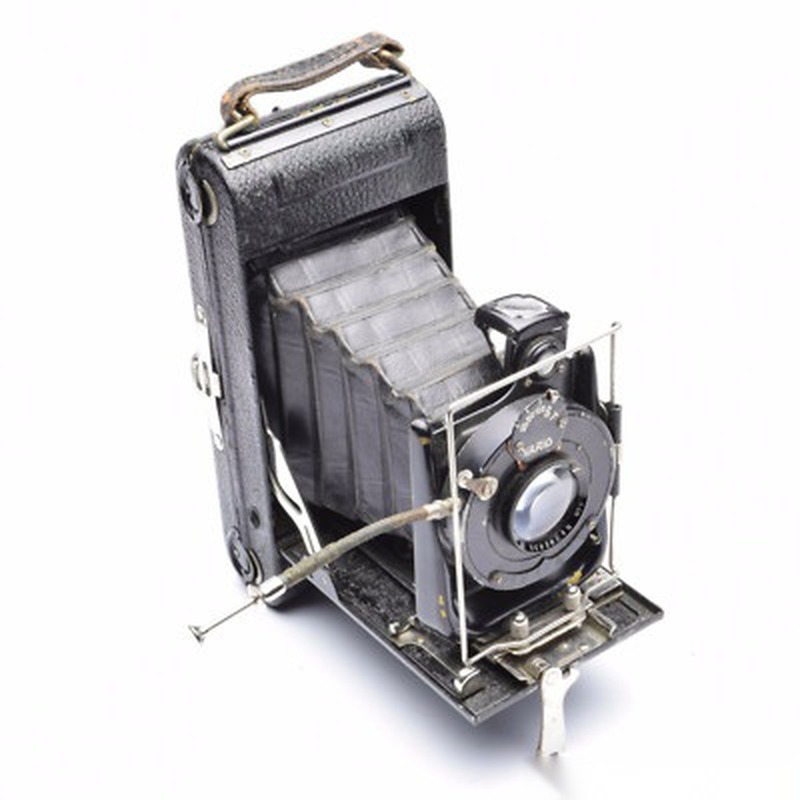
Houghton Ensign Carbine (rangefinder)
Houghton · UK · 1920 · 135 film
The Ensign Carbine (rangefinder) represents Houghton's significant early entry into the emerging 35mm film market, introduced in 1920. This compact rangefinder camera was notable for its adoption of the 135 format film at a time when this gauge was just beginning to gain traction for still photography. While specific details about its exact type or internal mechanisms are scarce, its rangefinder focusing system indicates a step towards greater precision for handheld photography, potentially targeting enthusiasts or professionals seeking a smaller alternative to larger plate or roll-film cameras. Designed during the formative years of miniature photography, the Carbine reflects the period's experimentation with smaller formats and promises a character defined by portability and the contemporary engineering available from Houghton.
As an early 35mm model, the Carbine holds a place as a recognizable artifact of the technology's evolution, contributing to the groundwork laid for later miniature camera development. Its presence in the 1920 market underscores Houghton's commitment to exploring modern photographic formats, though it likely operated in a competitive space alongside other nascent contenders like the Leica prototypes. The camera's basic character would have emphasized practicality and the emerging benefits of small-format photography, offering a tangible glimpse into the era's shift towards more accessible and versatile cameras.
Specifications
| Film Format | 135 |
/main.jpg)
/main.jpg)
/main.jpg)
/main.jpg)
/main.jpg)
 Enjoy this museum? Support on Ko-fi