_(rollfilm)/main.jpg)
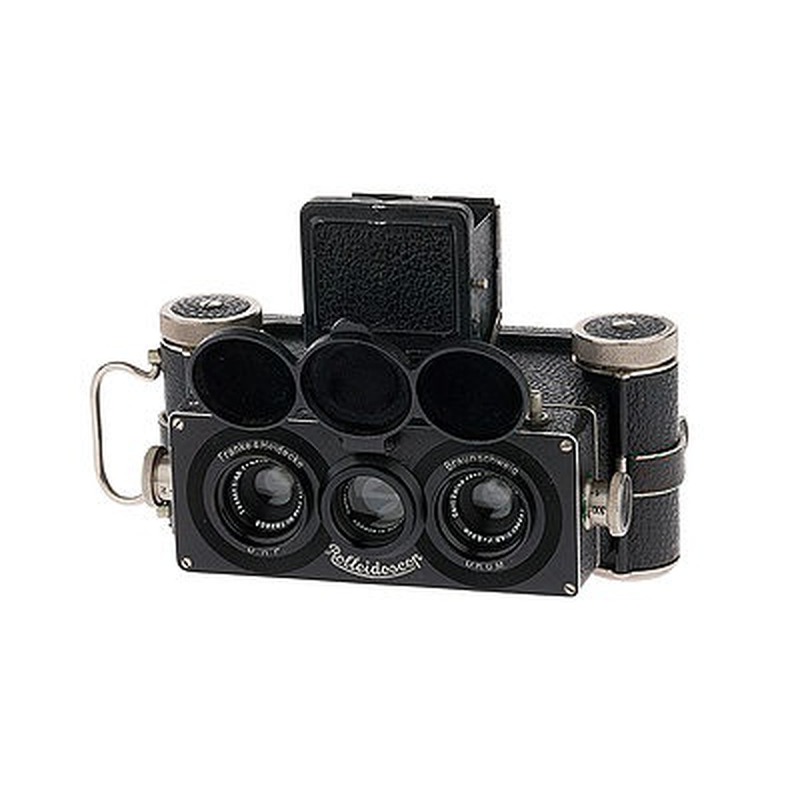
Rollei Heidoscop (6x13cm) (rollfilm)
Rollei · Germany · 1925–1940 (15 years) · 120 film
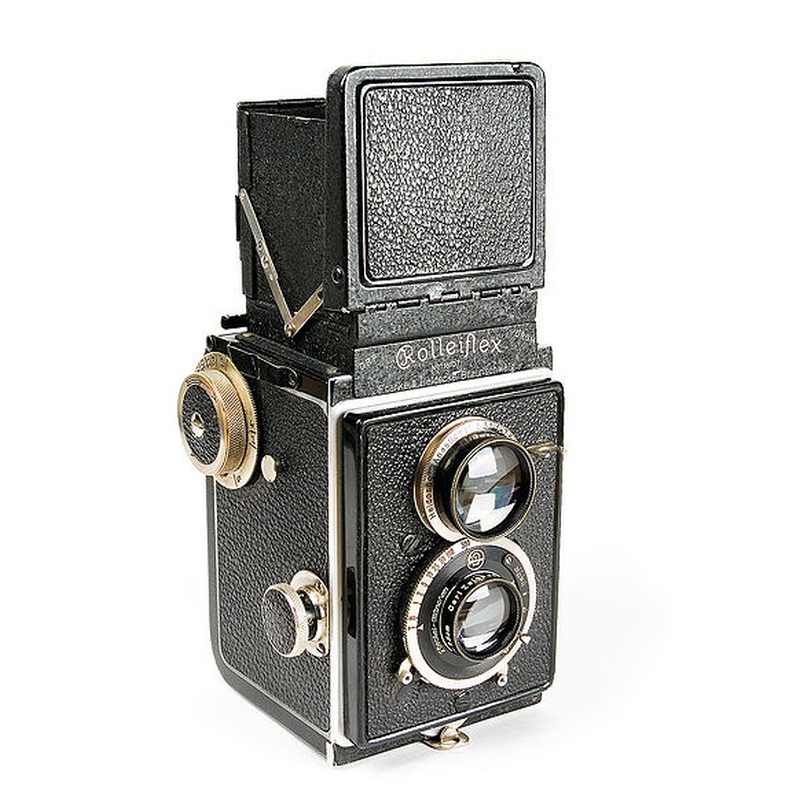
The Rollei Heidoscop (6x13cm) represents a significant but specialized offering from the renowned German manufacturer. Produced between 1925 and 1940, this medium format rollfilm camera was essentially a panoramic variant of Rolleiflex's pioneering twin-lens reflex (TLR) design. Utilizing standard 120 roll film, it exposed negatives measuring 6x13 cm, creating a striking panoramic image with an aspect ratio of approximately 2:1 – a format prized by landscape and architectural photographers of the era for its expansive vistas. Like its sibling Rolleiflex models, the Heidoscop featured the characteristic TLR viewing and exposure system via a waist-level finder, coupled with a robust metal construction typical of Rollei's mid-to-high-end products. Its primary appeal lay in providing access to panoramic photography without the cost and complexity of large format plate cameras, targeting professionals and serious amateurs seeking a portable yet substantial image capture solution.
While sharing the core TLR principles and build quality of the contemporary Rolleiflex line, the Heidoscop's narrower market focus on panoramic formats prevented it from achieving the widespread ubiquity of the standard 6x6cm Rolleiflex. It filled a specific niche, offering a convenient rollfilm alternative for panoramic composition, particularly valued by landscape photographers and certain commercial applications before the wider adoption of dedicated panoramic cameras in the later 20th century. Its production span, encompassing the pre-war period and into the early wartime years, places it within a significant era of German photographic manufacturing excellence before major disruptions.
Specifications
| Film Format | 120 |
/main.jpg)
/main.jpg)
/main.jpg)
/main.jpg)
 Enjoy this museum? Support on Ko-fi