/main.jpg)
Rolleidoscop (4x4)
Rollei · Germany · 1928 · 135 film
The Rolleidoscop (4x4) is an early 35mm camera introduced by Rollei in 1928, representing the company’s initial foray into the compact format that would later dominate photography. At a time when 35mm film was still emerging as a viable alternative to larger formats, Rollei—renowned for its medium-format Rolleiflex twin-lens reflex cameras—produced this model as a more portable option. Utilizing the standard 135 film cassette system, it offered photographers reduced bulk and enhanced mobility while maintaining Rollei’s reputation for robust, precision engineering. The camera’s 4×4 designation likely refers to its square image format, though specific design details remain scarce in historical records.
As one of Rollei’s first attempts at miniature photography, the Rolleidoscop (4x4) holds a place in the evolution of 35mm technology, bridging the gap between bulky plate cameras and the more streamlined designs that would follow. While it lacked the groundbreaking innovations of contemporaries like the Leica I, its presence underscores Rollei’s early recognition of the format’s potential. However, it did not achieve significant commercial success or widespread adoption, remaining a niche product in the shadow of more successful 35mm models from that era.
Specifications
| Film Format | 135 |
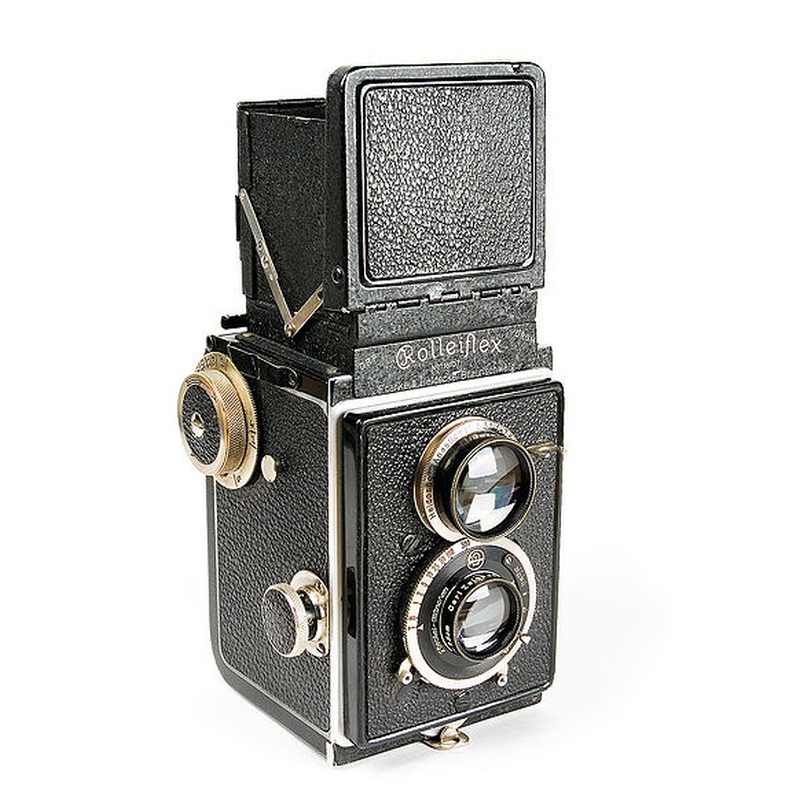
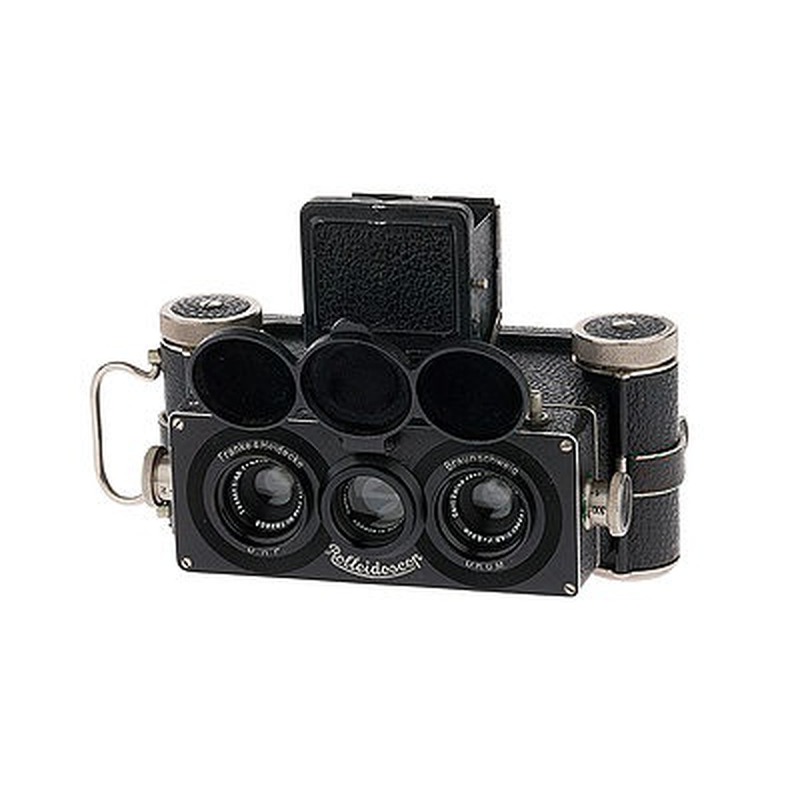
/main.jpg)
_(rollfilm)/main.jpg)
/main.jpg)
 Enjoy this museum? Support on Ko-fi