/main.jpg)
Pricing
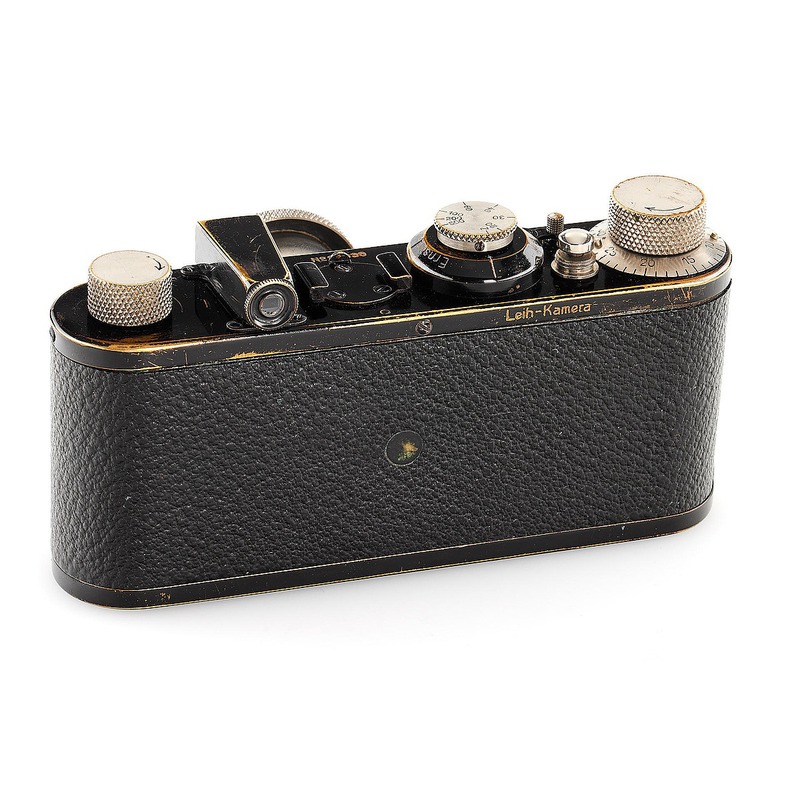
Leica I Mod A (Elmax)
Leica · Germany · 1925–1926 (1 years) · 135 film
The Leica I Mod A (Elmax) stands as a pivotal instrument in the evolution of photography, marking one of the earliest commercially successful 35mm cameras when introduced in 1925. Designed by Oskar Barnack at Leitz, this camera revolutionized photographic practice by making the compact 35mm format viable for serious work. Building upon prototypes developed during World War I, the Mod A (Elmax) featured a coupled rangefinder focusing system and utilized standard 35mm cinema film loaded into special cassettes—innovations that provided unprecedented mobility compared to the large-format equipment dominating the era. The camera's introduction established Leica's reputation for precision engineering and set the foundation for the 35mm system that would dominate photography for decades.
The Mod A (Elmax) variant represented refinements to Leica's original design, incorporating an Elmax shutter mechanism (possibly named after electro-plated nickel components) offering speeds from 1/20 to 1/500 second. It was fitted with the legendary 50mm f/3.5 Elmar lens, renowned for its optical quality and compact design. The camera's simple but robust construction featured a body made of stamped metal with leather covering, offering durability for field use. While technically rudimentary by today's standards—with a film advance knob and no built-in metering—the camera's exceptional optical performance and mechanical reliability attracted pioneering photojournalists and street photographers who helped document the tumultuous political and social changes of the 1920s and 1930s.
Specifications
| Film Format | 135 |
/main.jpg)
/main.jpg)
_close_focus/main.jpg)
/main.jpg)
/main.jpg)
 Enjoy this museum? Support on Ko-fi