/main.jpg)
Pricing
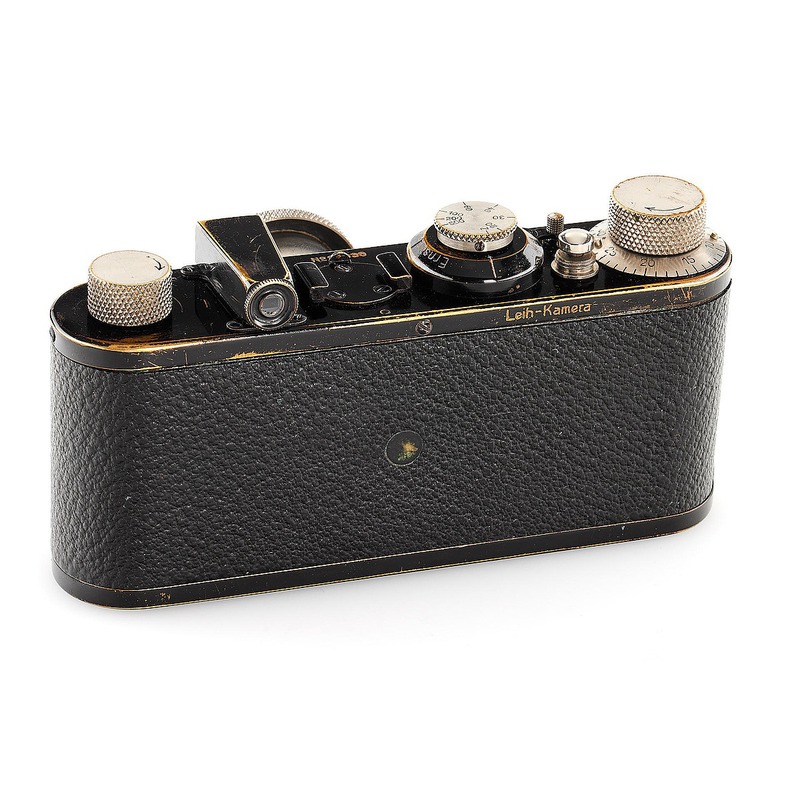
Leica I Mod A (Anastigmat)
Leica · Germany · 1925 · 135 film
The Leica I Mod A (Anastigmat), introduced in 1925, stands as a foundational milestone in photography history. Designed by Oskar Barnack at Leitz, it was the first commercially successful 35mm still camera, repurposing motion picture film into a practical format for portable, high-quality photography. Its compact metal body and coupled rangefinder system revolutionized image-making, enabling unprecedented mobility and discreet shooting. The camera featured a Leitz Anastigmat lens (later renamed the Elmar), a significant optical advancement for its time, paired with a cloth focal plane shutter offering variable speeds. This combination of precision engineering and portability established the blueprint for 35mm photography, influencing generations of camera design from rangefinders to SLRs.
Pioneering photographers such as André Kertész and Henri Cartier-Bresson adopted the Leica I Mod A, leveraging its capabilities to document modern life with immediacy and intimacy. Its introduction democratized professional-grade photography, shifting it from bulky plate cameras to compact, efficient tools. Despite its early limitations—such as a fixed shutter speed and minimal lens options—the Leica I Mod A’s impact was transformative, cementing the 35mm format as the dominant medium for photojournalism and artistic expression throughout the 20th century.
Specifications
| Film Format | 135 |
/main.jpg)
/main.jpg)
_close_focus/main.jpg)
/main.jpg)
/main.jpg)
 Enjoy this museum? Support on Ko-fi