Pricing
Kodak View Camera
Kodak · USA · 1910 · 4x5 film
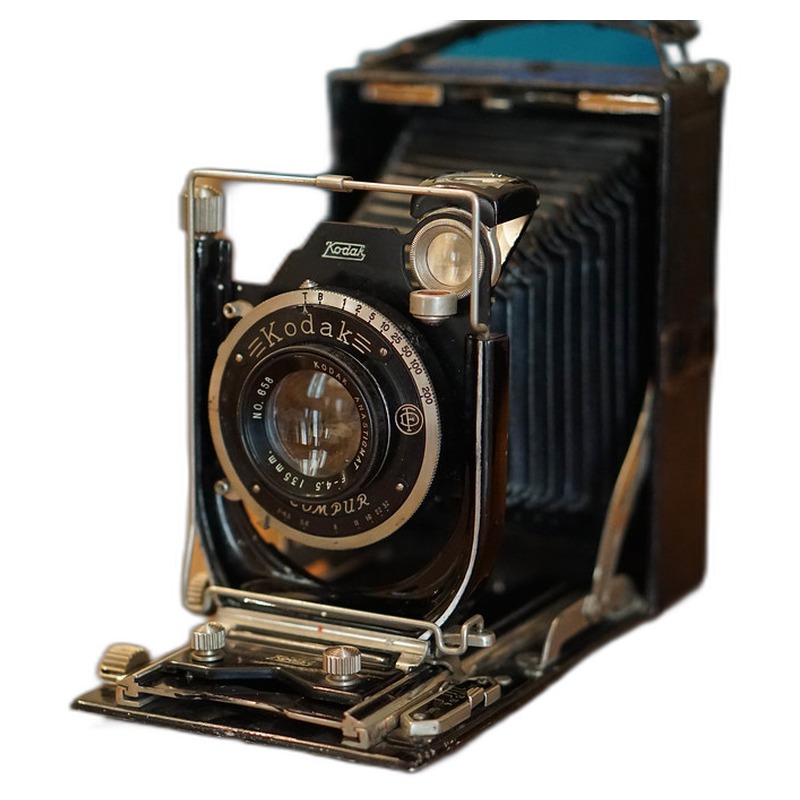
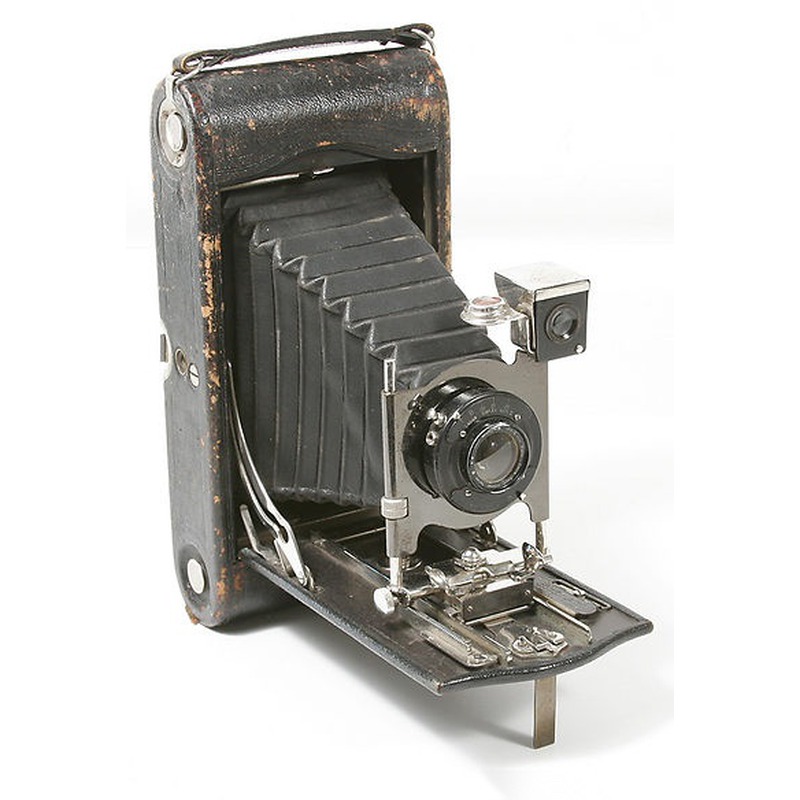
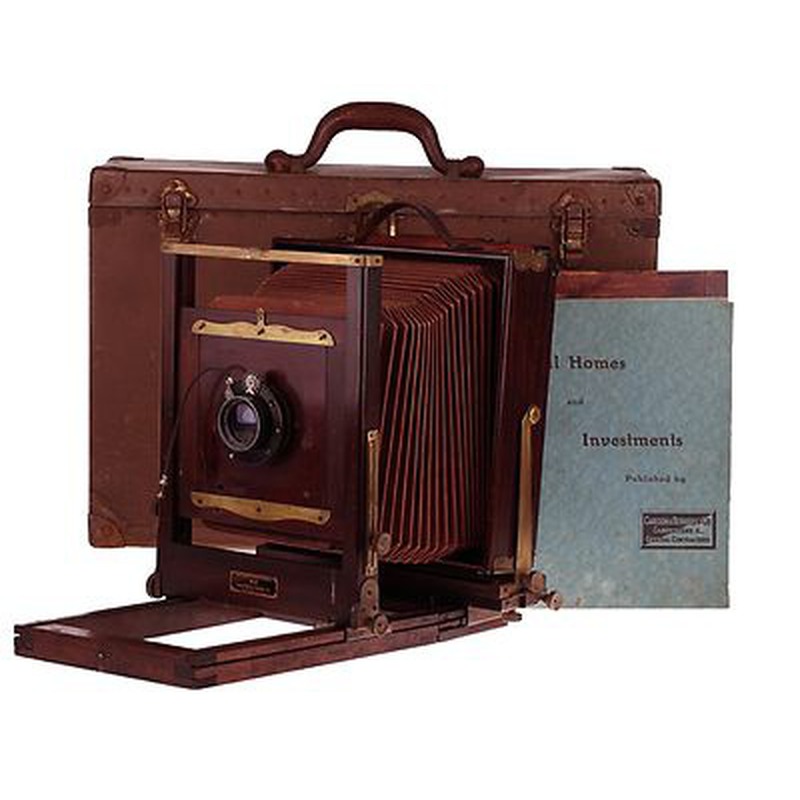
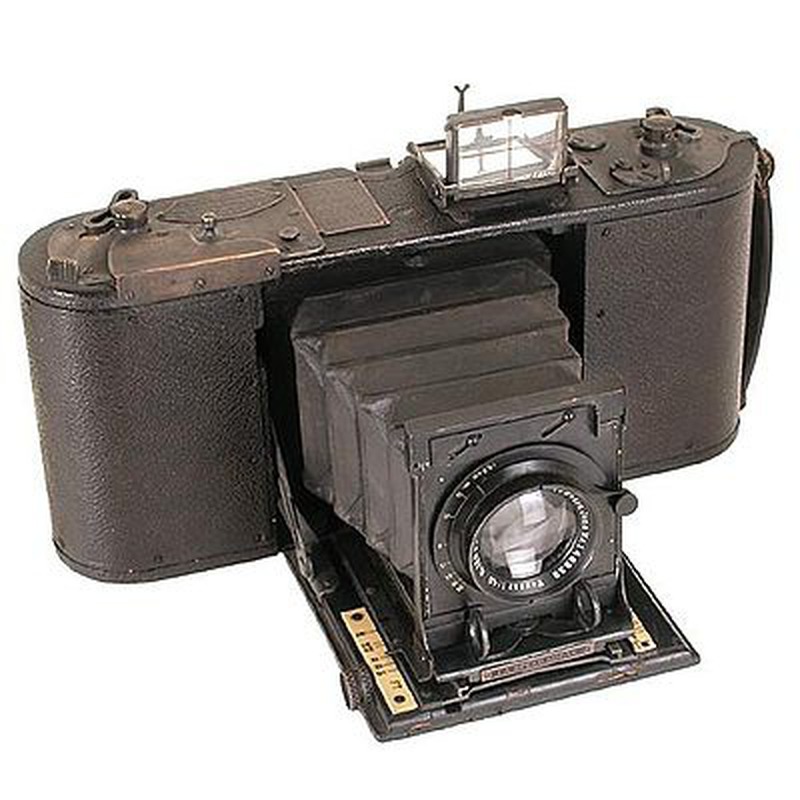
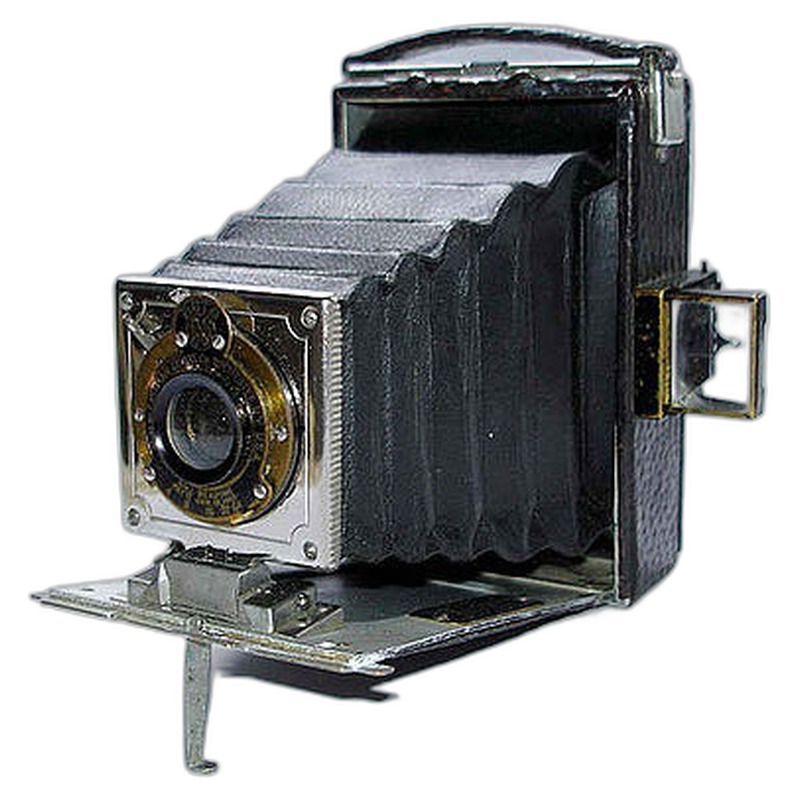
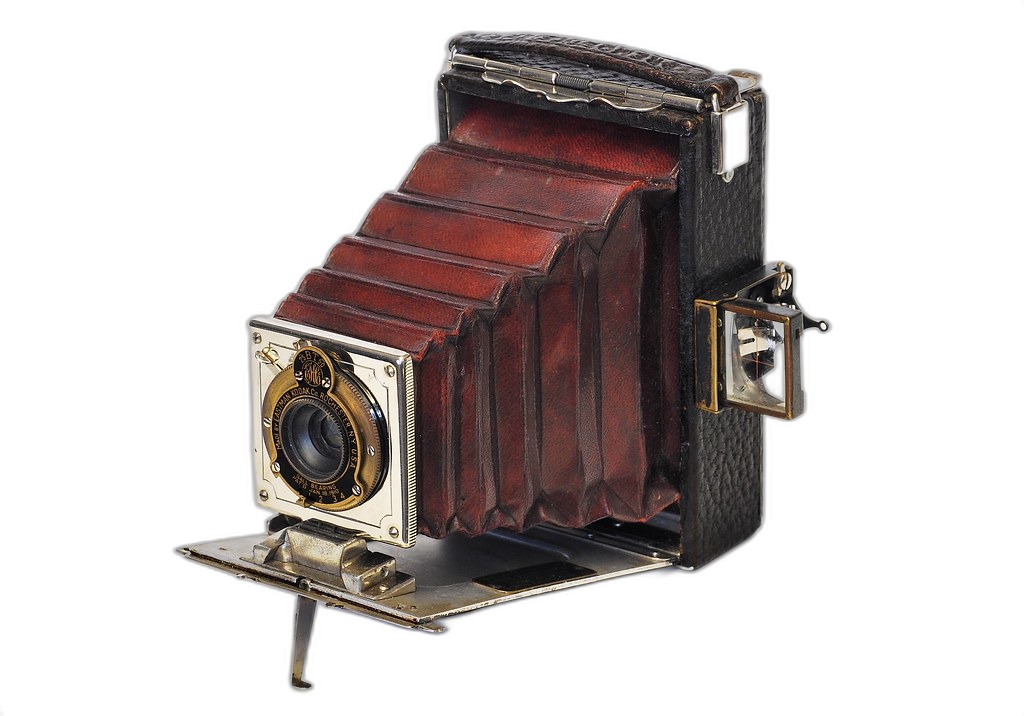
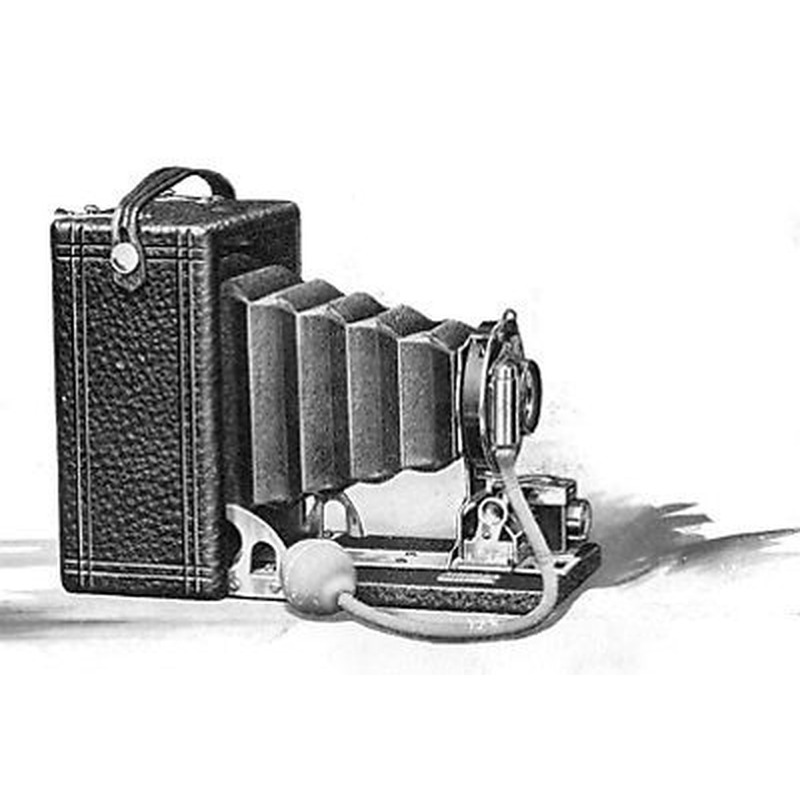
Introduced in 1910, the Kodak View Camera represents the company's significant foray into the professional large format market during the era when Kodak was synonymous with accessible photography. Designed for the 4x5 inch sheet film format, it catered to commercial, architectural, and serious amateur photographers who required superior image quality and precise control over perspective, a capability afforded by the bellows and ground glass focusing system typical of view cameras. Kodak leveraged its vast manufacturing expertise and distribution network to make these sophisticated tools more readily available than many specialized competitors, solidifying its position beyond consumer roll film gear. While not a groundbreaking design itself, the camera embodied the practical application of large format principles, utilizing a rigid monorail or field camera base with geared movements for rising, falling, swinging, and tilting the lens standard relative to the film plane, essential for correcting convergence and controlling focus distribution in professional work. Its construction prioritized durability and functionality, utilizing robust materials like polished mahogany and brass fittings suited for studio and field use, reflecting Kodak's reputation for reliable equipment. This camera served as a workhorse for professionals transitioning from earlier bulkier or less accessible formats, playing a consistent role in photography throughout the 1910s and 1920s before more specialized models emerged.
The Kodak View Camera's significance lies in Kodak's strategic expansion into the professional sector and its role in democratizing high-quality large format photography. By providing a well-built, relatively accessible 4x5 platform, Kodak enabled a wider range of practitioners to engage in the precision work previously dominated by niche manufacturers or custom-built equipment. Its design, while standard for the time, effectively delivered the essential features – bellows movement, ground glass focusing, and sturdy base – without unnecessary complexity, making it a dependable choice for professionals needing reliable results. It stood as a testament to Kodak's integration of large format photography into its broader ecosystem, demonstrating that the same company producing Brownie box cameras also produced sophisticated tools for the highest levels of image-making during the early 20th century.
Specifications
| Film Format | 4x5 |
 Enjoy this museum? Support on Ko-fi