/main.jpg)
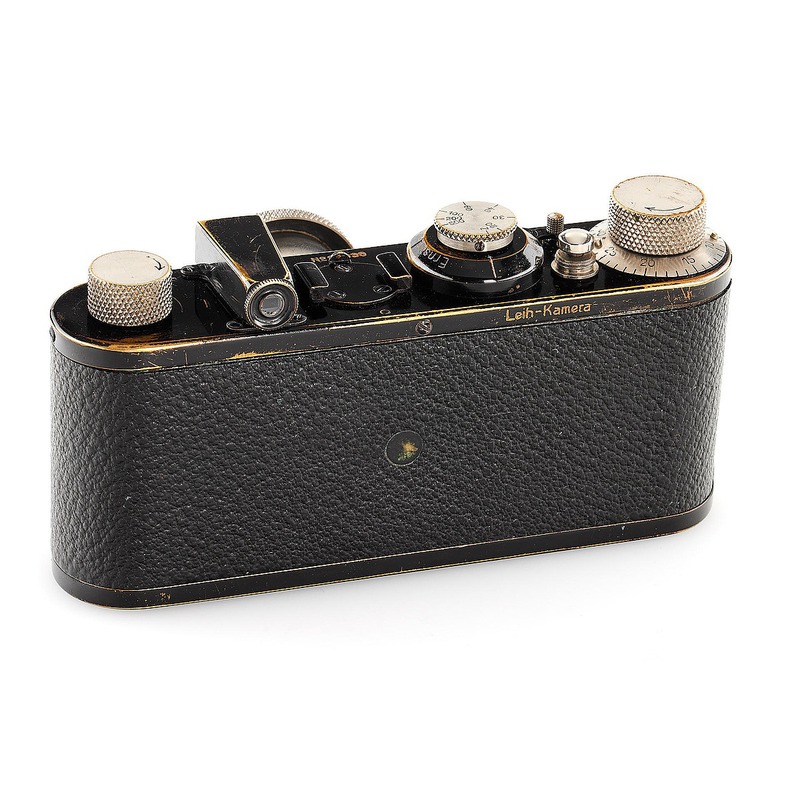
Leica 0 Prototype 1 (original)
Leica · Germany · 1923–1924 (1 years) · 135 film
The Leica 0 Prototype 1 (original) represents the birth of modern 35mm photography, standing as the progenitor of what would become the legendary Leica I camera. Developed by Oskar Barnack in 1923-1924 at the E. Leitz optical company in Wetzlar, Germany, this revolutionary prototype introduced the concept of a compact, portable camera using 35mm motion picture film in cassettes. The device featured a sophisticated design with a retractable lens, precision shutter mechanism, and metal construction that belied its small form factor—innovations that would set the standard for decades to come. Barnack created this camera primarily as a personal device to test the potential of 35mm film for high-quality still photography, an idea that would ultimately transform the entire field.
While the production Leica I wouldn't be introduced until 1925, this prototype established the design language that would influence countless cameras that followed. The Leica 0 Prototype 1 employed a coupled rangefinder focusing system, a feature that would become standard in subsequent models, and its compact form factor contrasted sharply with the bulky plate cameras of the era. Its introduction coincided with a shift in photography from formal, studio-based practice to more spontaneous, candid documentation—a change facilitated by the portability and relatively quiet operation of the Leica design. Though only one original example is known to exist today, this prototype stands as the foundation of the 35mm revolution that transformed photojournalism and documentary photography in the 20th century, enabling photographers to capture action and everyday life with unprecedented immediacy.
Specifications
| Film Format | 135 |
/main.jpg)
/main.jpg)
_close_focus/main.jpg)
/main.jpg)
/main.jpg)
 Enjoy this museum? Support on Ko-fi