/main.jpg)
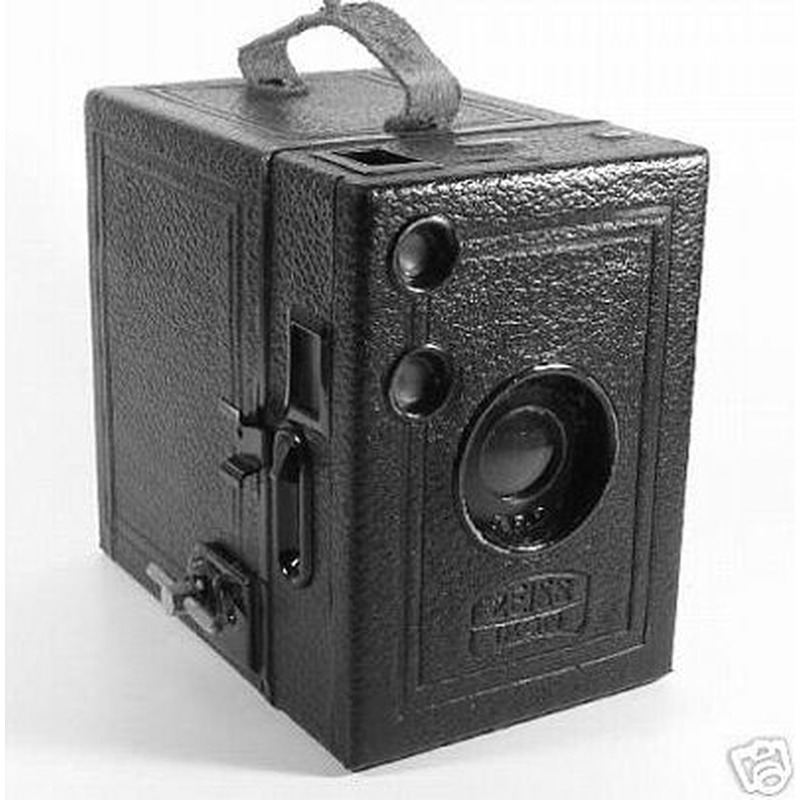
Zeiss Polyskop (45x107)
Zeiss · Germany · 1927–1930 (3 years) · 135 film
The Polyskop (45x107) represents an interesting early entry into the world of 35mm photography during a pivotal period for the format. Produced by the renowned German optics manufacturer Zeiss between 1927 and 1930, this camera emerged just a few years after the groundbreaking Leica I had introduced the concept of a compact, handheld 35mm camera to the market. The "45x107" designation in the model name likely refers to the negative dimensions it produced, a unique format that distinguishes it from the standard 36×24mm frame that would later become the industry standard. As an early adopter of 35mm technology from one of photography's most respected names, the Polyskop holds a place in the evolution of small-format photography, though it appears to have been overshadowed by more famous contemporaries in the historical record.
While the specific type and design details of the Polyskop remain unclear without further research, its production by Zeiss suggests a camera built to the company's exacting quality standards during an era when German camera manufacturers were at the forefront of photographic innovation. The period 1927-1930 was significant for 35mm photography, as manufacturers experimented with different approaches to small-format cameras before the technology became more standardized. The Polyskop (45x107) likely served as a specialized tool or was designed for a particular niche application, given its unique negative format. As a product of Zeiss's expertise in optics and precision engineering, it represents the company's early foray into what would become a dominant photographic format, contributing to the technological development that would eventually make 35mm photography accessible to enthusiasts and professionals alike.
Specifications
| Film Format | 135 |
/main.jpg)
/main.jpg)
/main.jpg)
/main.jpg)
 Enjoy this museum? Support on Ko-fi