/main.jpg)
Zeiss Bebe (40/2)
Zeiss · Germany · 1927–1930 (3 years) · 135 film
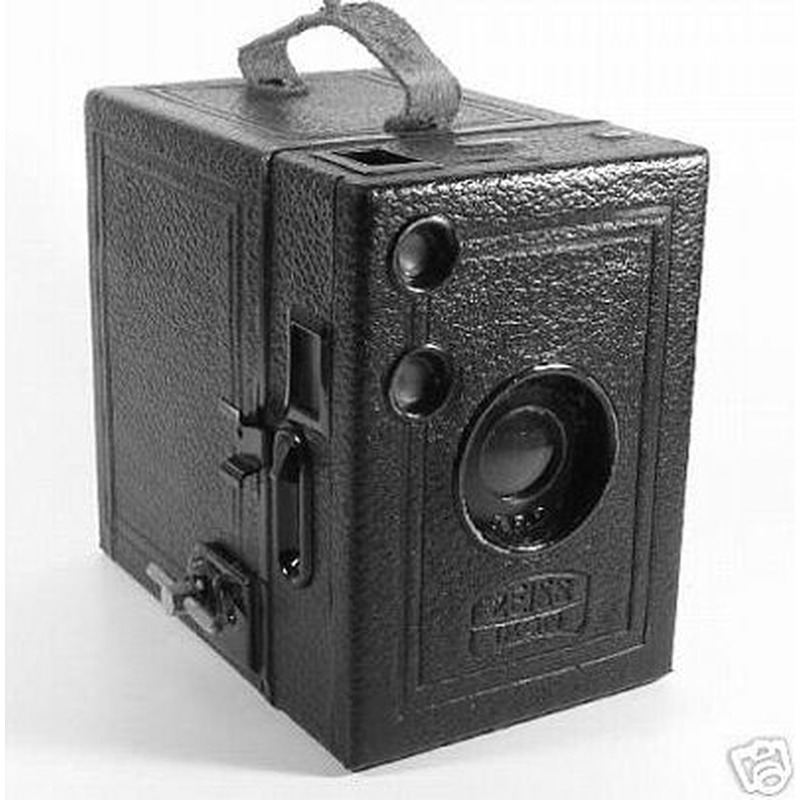
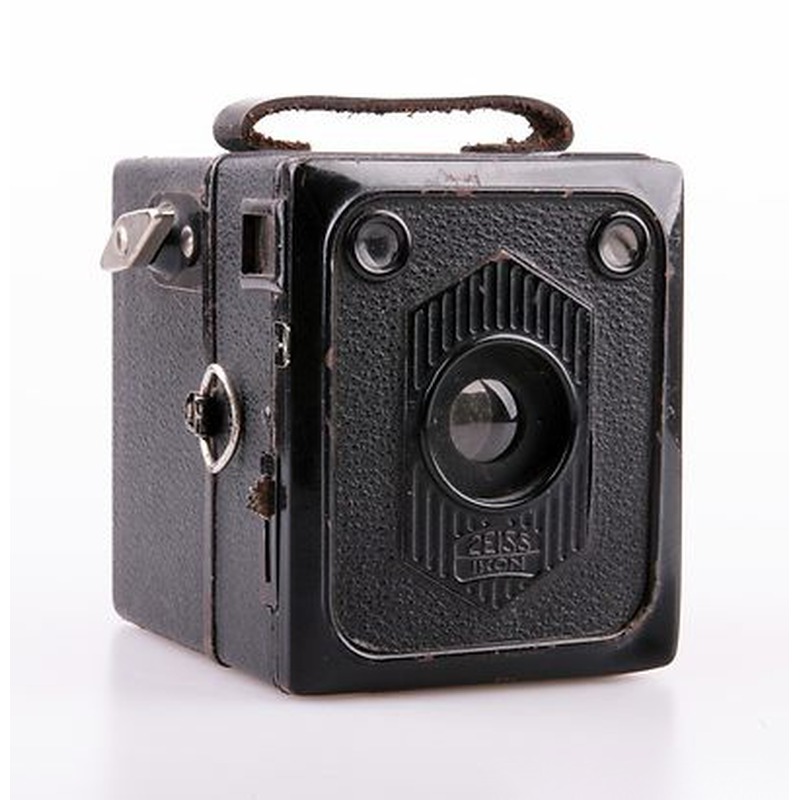
The Zeiss Bebe (40/2) was a compact 35mm camera produced by the renowned German optical company Carl Zeiss between 1927 and 1930. During this formative period for small-format photography, the Bebe represented Zeiss's entry into the emerging market for miniature cameras that were beginning to popularize 135 film. The camera featured a 40mm f/2 lens, which for its time was a relatively fast optic that would have facilitated handheld shooting in varying conditions. Designed as a precision instrument like other Zeiss products of the era, the Bebe would have employed high-quality materials and precision mechanics characteristic of the company's manufacturing standards.
As one of the early contenders in the 35mm camera market alongside emerging competitors like Leica, the Bebe contributed to the technological development that would eventually make small-format photography accessible to professionals and serious amateurs. The camera likely featured a rangefinder focusing system and a simple shutter mechanism typical of its period. While not as revolutionary as some of its contemporaries in terms of introducing completely new concepts, the Bebe stands as a testament to Zeiss's commitment to optical excellence during a transitional period in photographic history when manufacturers were experimenting with smaller formats and more portable designs.
Specifications
| Film Format | 135 |
/main.jpg)
/main.jpg)
/main.jpg)
 Enjoy this museum? Support on Ko-fi