/main.jpg)
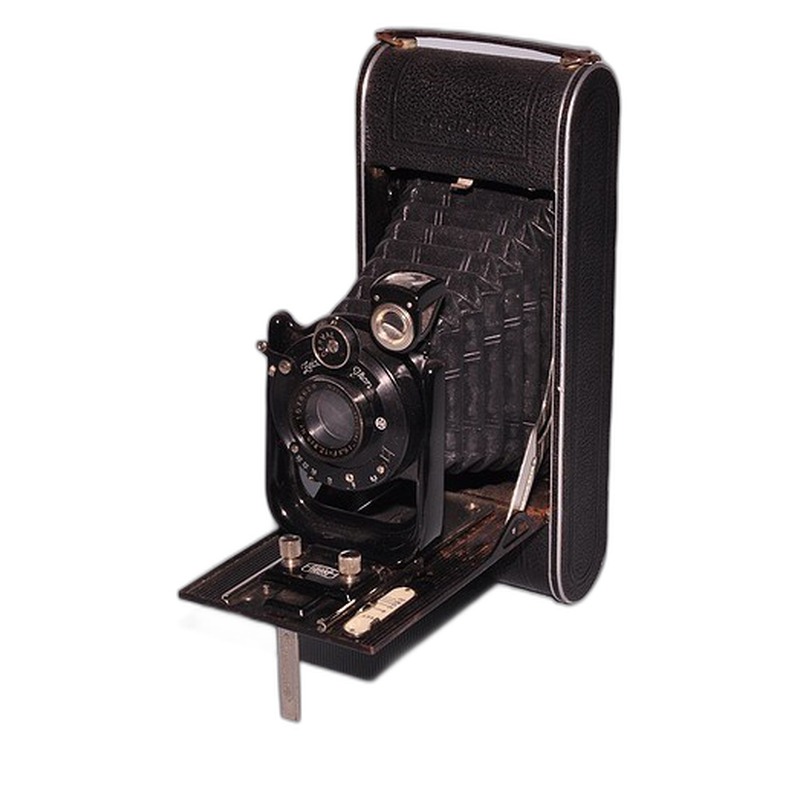
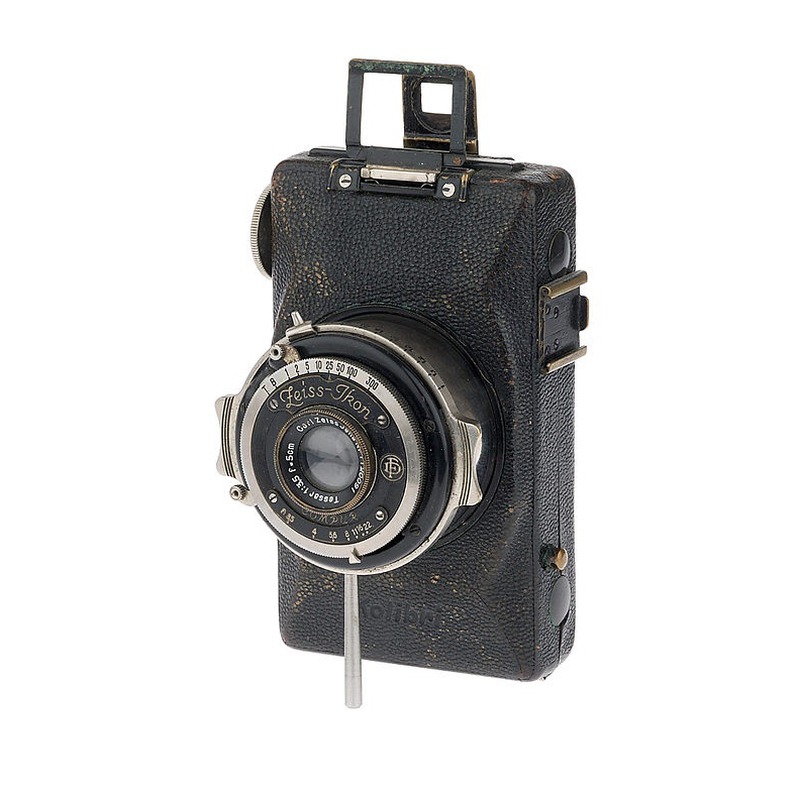
Zeiss Box Tengor 54/18 (Baby Box)
Zeiss · Germany · 1930–1938 (8 years) · 135 film
The Box Tengor 54/18 (Baby Box) was a modest yet significant addition to Zeiss's 35mm lineup during the 1930s, representing an affordable entry point into amateur photography. As a simple box camera, it featured a basic fixed-focus lens, a simple shutter mechanism, and a direct viewfinder, embodying the straightforward design principles common to cameras aimed at snapshot photographers. Its use of the emerging 135 film format, while not unique, contributed to the growing accessibility and practicality of small-format photography for the general public during this period. Produced in Dresden by ICA before its integration into Zeiss, the Baby Box reflected Zeiss's strategy to cater to different market segments beyond its sophisticated models, helping popularize 35mm as a viable format for casual use.
While lacking the groundbreaking features or prestige of Zeiss's more advanced cameras, the Tengor 54/18 fulfilled a crucial role by offering a reliable, easy-to-use tool for capturing everyday moments. Its robust, albeit simple, construction typical of Zeiss quality ensured durability for its intended purpose. The camera stands as a representative example of the practical, no-frank approach to amateur photography during the interwar era, bridging the gap between large roll-film box cameras and more complex 35mm models that would emerge later.
Specifications
| Film Format | 135 |
/main.jpg)
/main.jpg)
/main.jpg)
 Enjoy this museum? Support on Ko-fi