/main.jpg)
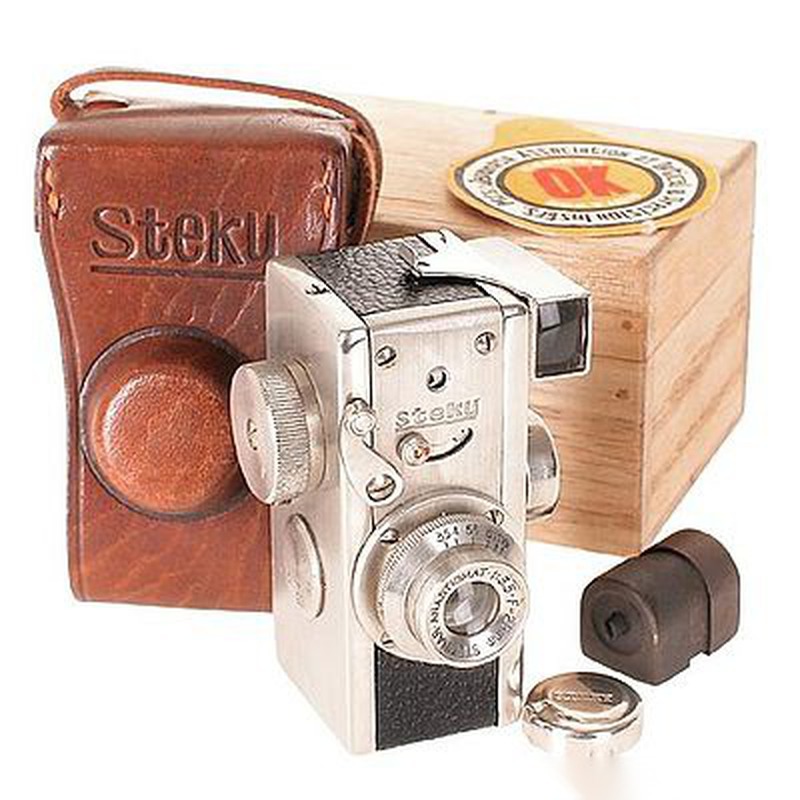
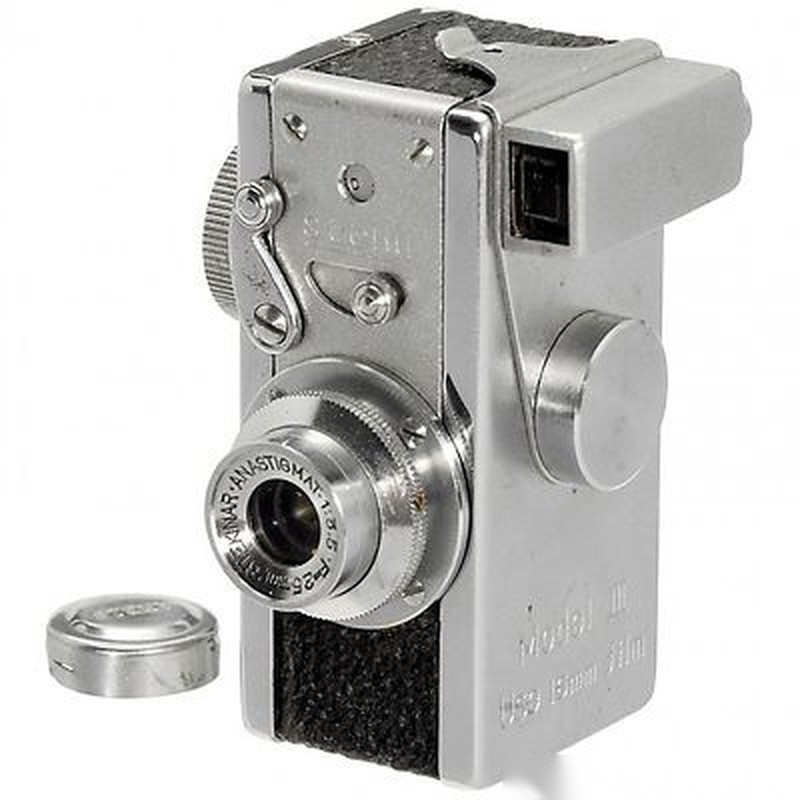
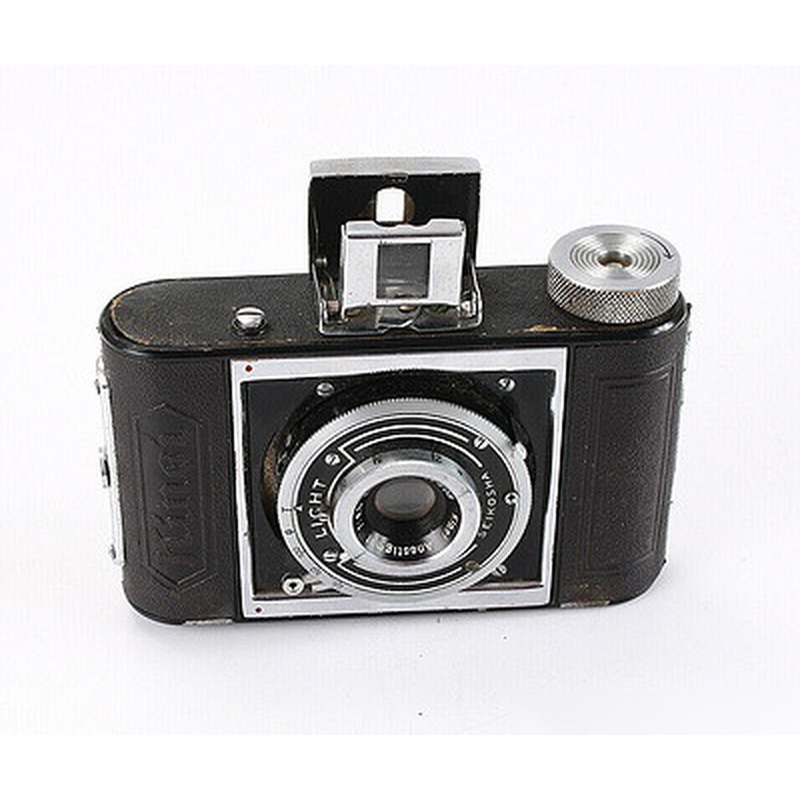
Riken Steky I (golden)
Riken · Japan · 1947 · 135 film
The Steky I (golden) represents a significant entry into the Japanese post-war camera market, particularly within the burgeoning subminiature category. Produced by Riken in 1947 shortly after World War II, it exemplifies the nation's rapid industrial recovery and focus on affordable, portable photography. Utilizing the 135 (35mm) film format in a surprisingly compact body for the time, the Steky I aimed to capture the consumer market interested in small, easy-to-carry cameras. Its "golden" designation likely refers to the color or finish, distinguishing it from potentially plainer versions. Designed as a simple point-and-shoot or snapshot camera, it featured basic controls, typical of its target audience needing minimal fuss. While not technologically groundbreaking itself, its production signified Japan's successful re-emergence in the photographic industry and the growing accessibility of miniature cameras for everyday use.
Engineered as a straightforward, pocketable solution, the Steky I prioritized economy and ease of use over sophisticated features. Its construction was simple, primarily utilizing stamped metal and basic materials suitable for its intended purpose and price point. Like many contemporaneous subminiatures, it likely offered a fixed-focus lens and a single shutter speed, catering to users wanting to take casual snapshots without adjustment complexities. Its importance lies less in individual innovation and more as a product of its time and place – a tangible example of the mass-market, subminiature camera boom that characterized late 1940s photography, driven by Japanese manufacturers seeking to rebuild their presence with practical, affordable designs.
Specifications
| Film Format | 135 |
 Enjoy this museum? Support on Ko-fi