Pricing
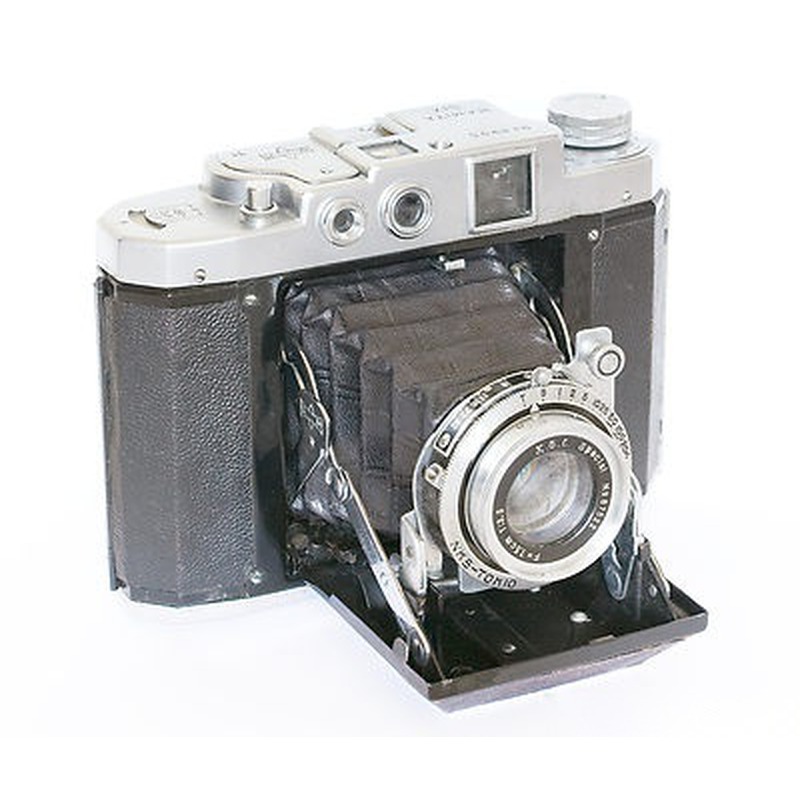
Mamiya Six I
Mamiya · Japan · 1940–1946 (6 years)
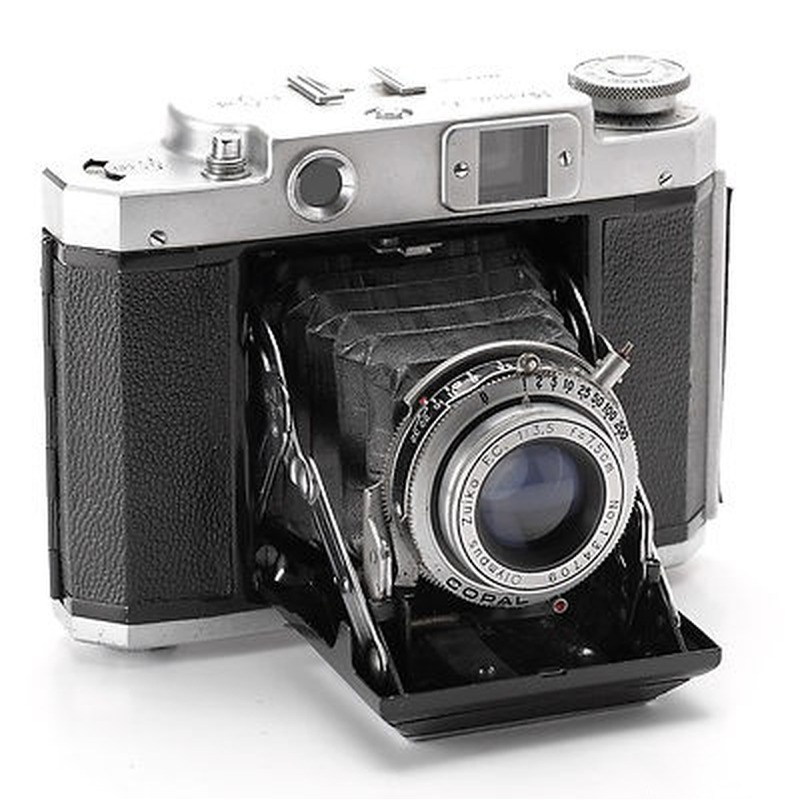
The Mamiya Six I represents a significant product in Mamiya's post-war development phase, produced during the tumultuous years of World War II (1940-1946). It belongs to the Mamiya Six series, which established the brand's reputation for quality medium format folding cameras. As a roll-film camera, it most likely utilized 120 film, producing 6x6 cm exposures, consistent with the series nomenclature. Its design featured a coupled rangefinder for precise focusing and a collapsible bellows construction, typical for portable medium format cameras of the era. Built during a period of significant material constraints in Japan, the Six I embodies Mamiya's commitment to producing functional, well-engineered photographic tools despite wartime limitations. It served as a precursor to Mamiya's more complex post-war models, solidifying their position in the medium format market.
While not achieving the iconic status of some contemporaries, the Mamiya Six I is notable for its practicality and solid construction within its class. The camera offered a combination of portability and larger format image quality, appealing to amateur photographers and serious users alike. Its coupled rangefinder was a key feature, providing an alternative to the separate viewfinder and rangefinder setups common on simpler folders. The Six I stands as a representative example of mid-20th century Japanese camera craftsmanship, highlighting Mamiya's technical competence during a challenging historical period and contributing to the evolution of practical medium format photography.
/main.jpg)
/main.jpg)
/main.jpg)
 Enjoy this museum? Support on Ko-fi