Pricing
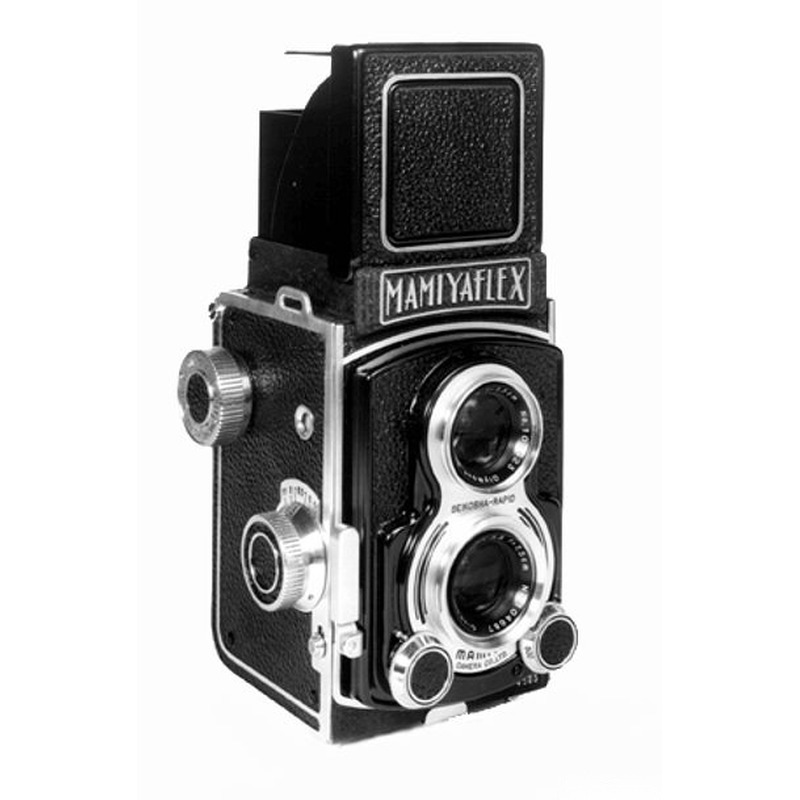
Mamiyaflex Automat A
Mamiya · Japan · 1949
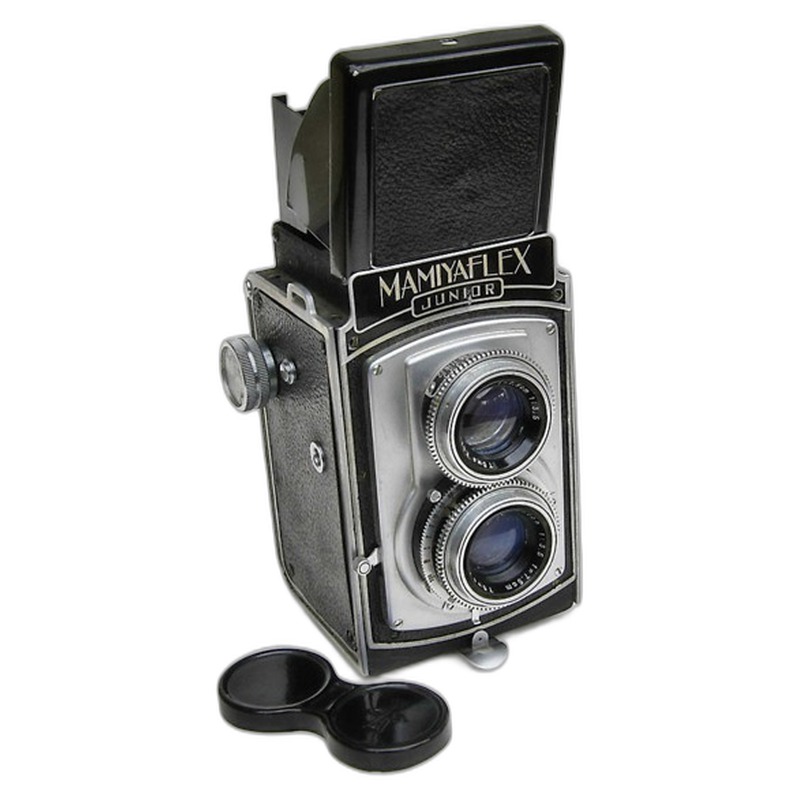
The Mamiyaflex Automat A, introduced by Mamiya in 1949, was a significant early model in the company's influential line of twin-lens reflex (TLR) cameras. Designed for 120 roll film, it featured a robust metal body with synchronized flash contacts, a built-in light meter on later models (though the initial "A" variant may lack this), and precision ground-glass viewfinder focusing. Mamiya leveraged its engineering expertise to create a professional-grade camera that offered interchangeable lenses and advanced automation for its era, such as automatic aperture stop-down, positioning it as a competitor to established European TLRs like the Rolleiflex. Its waist-level finder facilitated accurate composition while maintaining the iconic TLR square format, appealing to both commercial and serious amateur photographers seeking reliability and image quality in medium format photography.
Released during a period of Japanese camera industry expansion post-World War II, the Automat A demonstrated Mamiya's commitment to technological innovation and build quality. It incorporated practical features like parallax correction and a collapsible lens hood, addressing common TLR challenges. The model's success helped establish Mamiya as a major player in medium format, contributing to the brand's later development of sophisticated systems like the Mamiya C series. While not a revolutionary camera, its solid construction and user-friendly design earned it a loyal following and influenced subsequent TLR designs, cementing Mamiya's reputation for precision engineering in the photographic market.
/main.jpg)
/main.jpg)
/main.jpg)
 Enjoy this museum? Support on Ko-fi