/main.jpg)
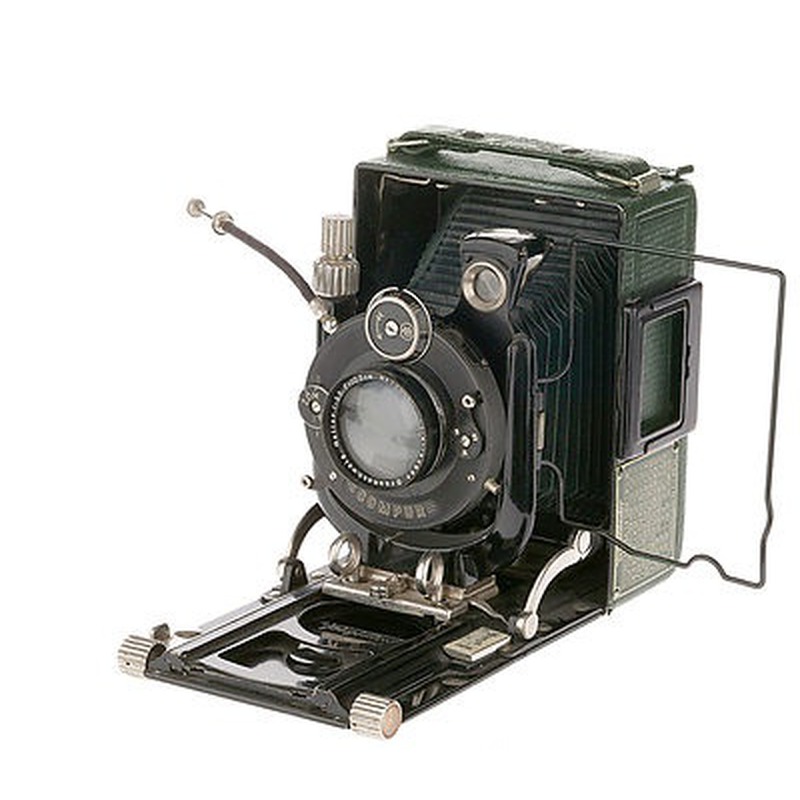
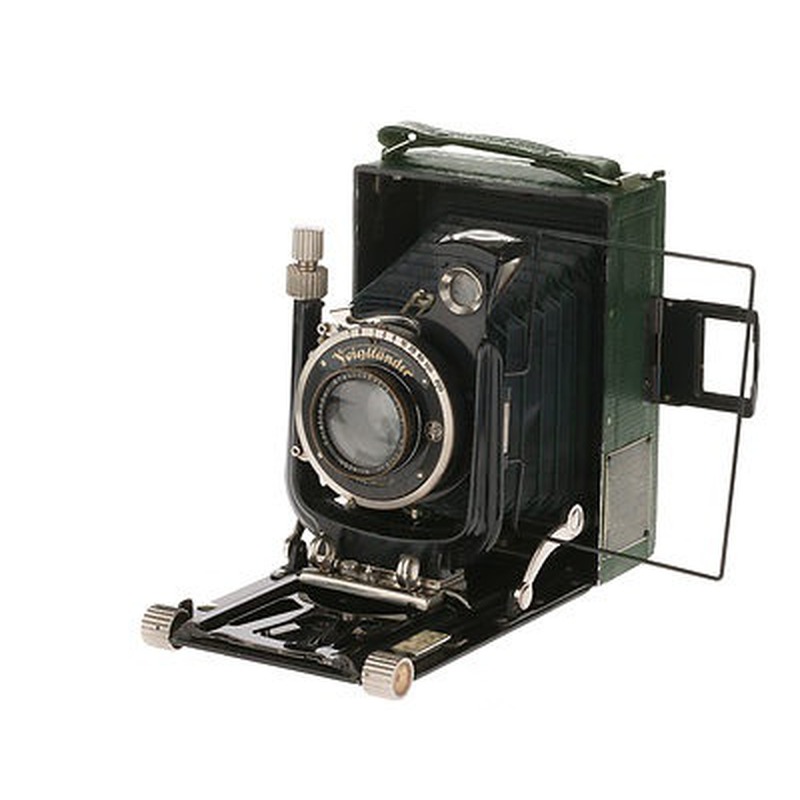
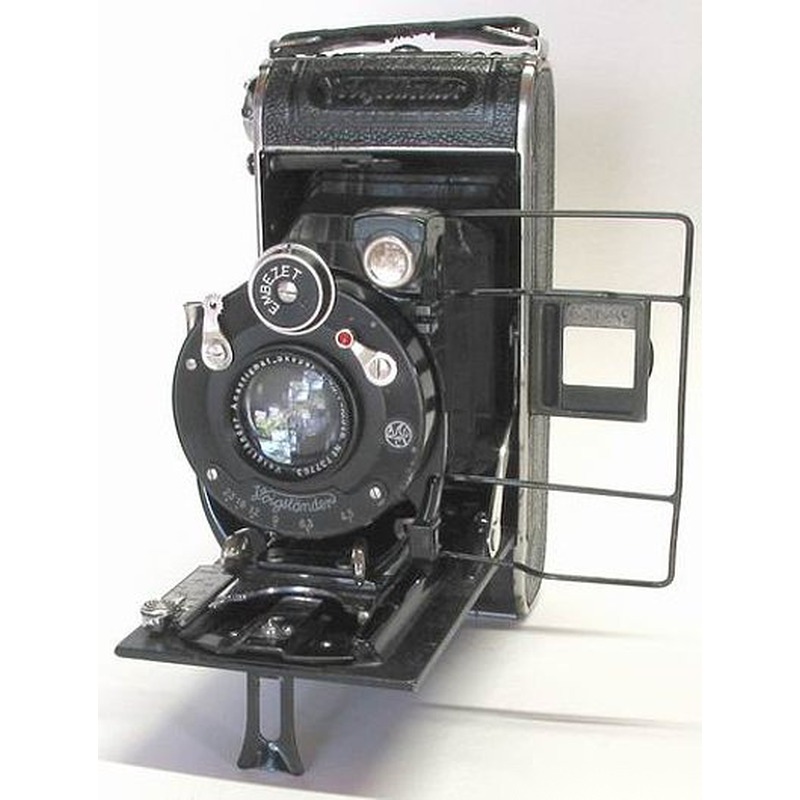
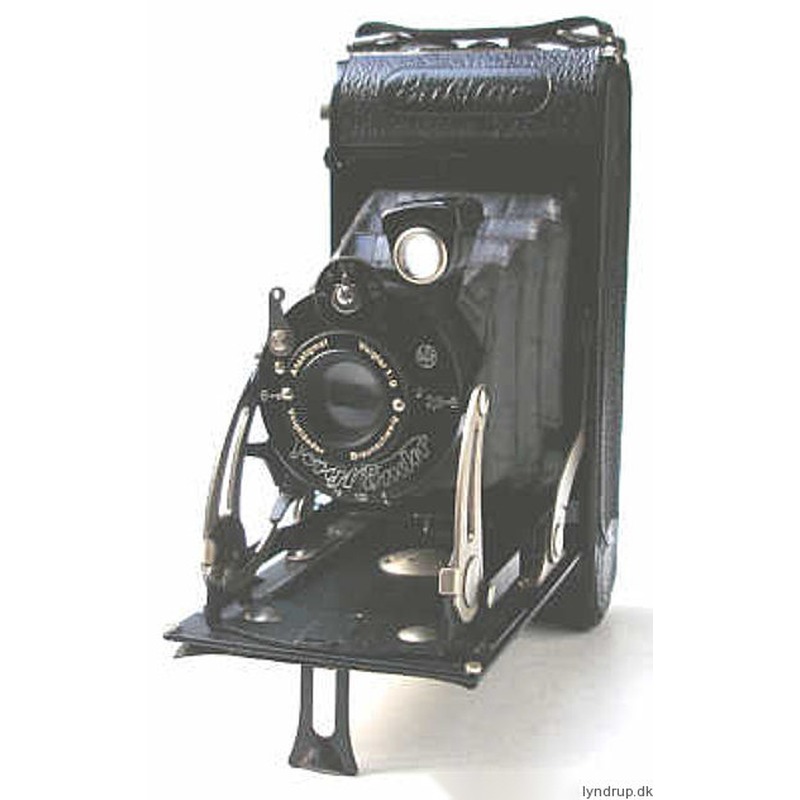
Voigtlander Perkeo (3x4)
Voigtlander · Germany · 1932 · 135 film
Introduced in 1932 by the renowned German manufacturer Voigtländer, the Perkeo (3x4) represents an interesting early experiment in the miniaturization of camera formats. Designed to use standard 135 roll film (24x36mm), it employed a unique format mask within the camera body to expose a smaller 3x4 cm image area on each frame. This resulted in a more compact body compared to a full-frame 35mm camera of the era while still offering a larger negative size than the standard 24x36mm. The Perkeo featured a coupled rangefinder for accurate focusing, a characteristic feature of Voigtländer's quality compacts, and likely included a fixed or simple lens/shutter combination typical for its class. It occupied a niche between the emerging Leica-style miniature cameras and larger folding roll-film cameras, catering to photographers seeking portability without sacrificing image quality relative to contemporary miniatures.
The Perkeo (3x4) holds significance primarily as a transitional camera, illustrating Voigtländer's early engagement with the burgeoning 35mm format landscape. While it didn't achieve the iconic status of contemporary models like the Leica I, it demonstrates the manufacturer's engineering prowess and willingness to explore format variations beyond the standard. Its 3x4cm exposure provided a practical compromise between compactness and negative size, aiming to appeal to photographers valuing this specific aspect ratio or seeking a different experience within the emerging small-format category. Its production period was relatively short, cementing its place as a noteworthy, though ultimately overshadowed, innovation in the early 1930s.
Specifications
| Film Format | 135 |
/main.jpg)
/main.jpg)
 Enjoy this museum? Support on Ko-fi